Cannabis Seeds in Ontario — Regional Growing Strategy
The Great Lakes define Ontario's growing reality. Lake Ontario, Lake Erie, Lake Huron, and Georgian Bay moderate winter cold and summer heat — but they also pump moisture into the air. Southern Ontario's July and August humidity regularly exceeds 80%, creating the exact conditions where botrytis (bud rot) thrives in dense cannabis flowers. The province spans an enormous area — there are 13 degrees of latitude between Windsor and Moosonee — meaning northern Ontario growers face a season 6-8 weeks shorter than growers in the Niagara Peninsula. The most productive outdoor growing belt runs from Windsor through London, Hamilton, and the Niagara region, where the combination of Great Lakes warmth and longer season gives growers genuine options.
In our experience working with Ontario growers, the ones who succeed share one trait: they choose strains based on what finishes in their climate, not what looks good on a website.
What Makes Growing in Ontario Different
Ontario is Canada's most populous province and its largest cannabis market. Southern Ontario's warm, humid summers provide a long enough growing season for most photoperiod strains, though humidity management is essential. The Great Lakes moderate temperatures but also increase humidity, making mold-resistant strains a must for outdoor growers. Northern Ontario has a shorter season better suited to autoflowers.
Outdoor Season: May through October (southern), June through September (northern)
Southern Ontario growers can transplant outdoors after the Victoria Day long weekend (late May). Choose mold-resistant strains, as August and September humidity can be brutal. Harvest timing is critical — aim for late September to early October before the fall rains. Growing in raised beds improves drainage and reduces moisture problems.
Indoor Growing
Ontario's electricity costs are higher than western provinces, so efficiency matters for indoor growers. LED lighting has become the standard to keep hydro bills manageable. Basements stay naturally cool in summer, providing a good environment for flowering plants.
Best Strategy for Growing in Ontario
Mold-resistant genetics are the foundation of any outdoor strategy in Ontario. The August-September humidity spike is the single biggest threat to outdoor harvests in the province. White Widow's open bud structure lets air circulate and resists botrytis better than dense indicas. Shishkaberry has years of proven outdoor performance in Ontario specifically. For indoor growing, Ontario's electricity rates are higher than western Canada — LEDs are essential to keep costs manageable. Time-of-use pricing means running lights during off-peak hours (7pm-7am) saves real money. Many Ontario growers use basements as natural cooling during hot summers, which keeps flowering temperatures stable without expensive air conditioning.
Common Mistakes in Ontario
1. Letting September humidity destroy the harvest. The temptation to let plants go "just one more week" in September has destroyed more Ontario harvests than early frost ever has. Check buds daily in September. If you see grey fuzz, harvest immediately.
2. Growing dense indicas outdoors without mold management. Open bud structures (White Widow, sativa-leaning hybrids) handle Ontario's humidity. Rock-hard indica nugs do not.
3. Running HPS lights at peak electricity rates. Ontario's time-of-use pricing means lights running during peak hours cost 2-3x more. Run your lights 7pm-7am or switch to LEDs.
When to Start and When to Harvest in Ontario
Southern Ontario — Start seeds indoors: Early April. Transplant: late May after Victoria Day. Harvest: late September through mid-October.
Northern Ontario (Sudbury, Thunder Bay) — Start seeds indoors: Mid-April. Transplant: early June. Harvest: late August to mid-September.
Risk dates: Southern Ontario's first frost is typically mid-to-late October, but the September humidity is the real deadline — harvest mold-susceptible strains by early October. Northern Ontario frost arrives by late September.
Strains That Work in Ontario — With Reasoning
Every recommendation here explains why the strain suits Ontario's specific conditions. If a strain is on this list, it is because ON growers have reported consistent results with it.
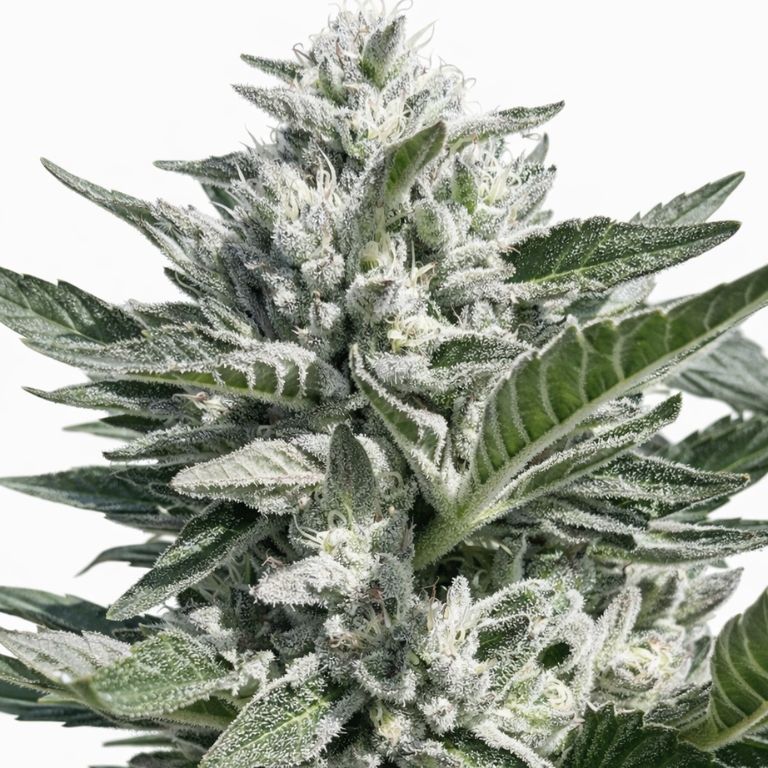
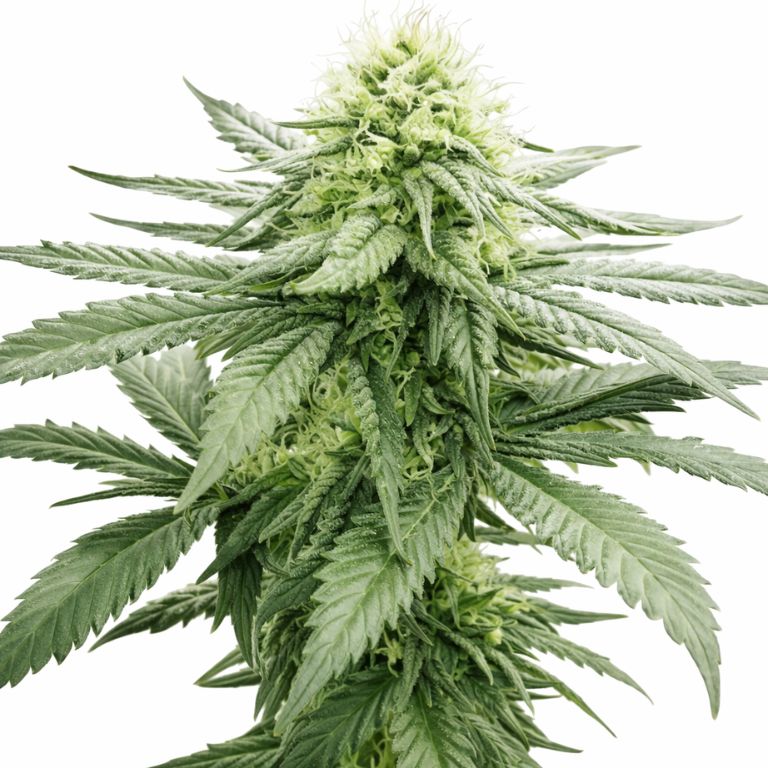
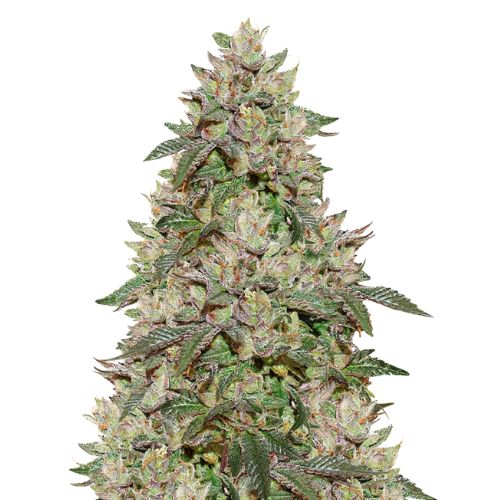
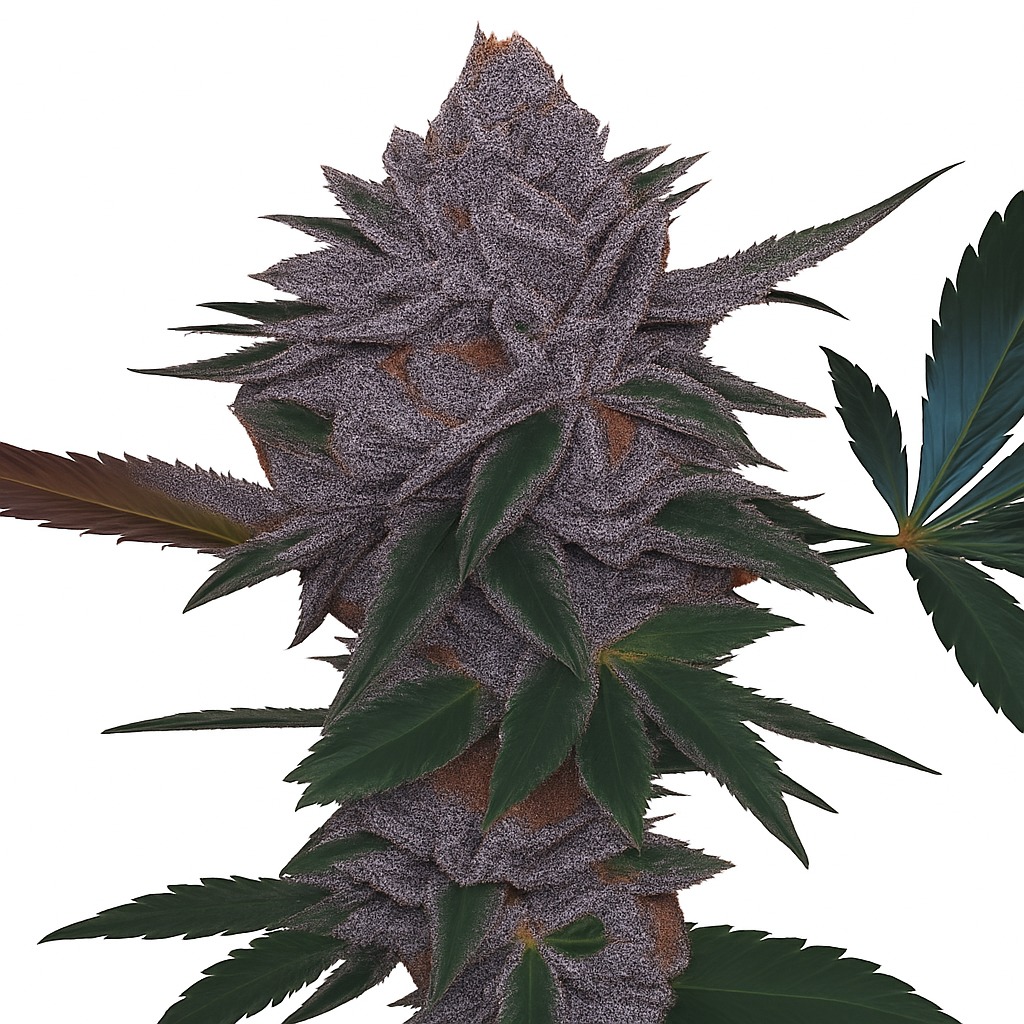
- •Northern Lights Auto gives Ontario growers a fast indoor option that avoids the humidity problems of late-summer outdoor flowering entirely. Seed-to-harvest in 9 weeks, year-round. This is the strain we recommend most to Ontario growers who want reliable results without risking a September mold disaster.
- •White Widow has an open, airy bud structure that resists the mold pressure that Ontario's August humidity creates. This is not a cosmetic preference — it is the difference between harvesting and composting in the humid Great Lakes region.
- •Shishkaberry has been grown outdoors in Ontario for years and has a proven track record of handling the province's specific combination of heat, humidity, and September rains.
- •Critical Mass delivers heavy yields with reasonable mold tolerance. Best suited to southern Ontario where the frost-free season is long enough for its slightly longer flowering time.
- •Gorilla Glue Auto provides high potency in a fast-finishing autoflower format. For Ontario growers who want strong results without risking an outdoor crop in unpredictable fall weather.
Browse autoflowering seeds for fast-finishing options or feminized seeds for larger yields. Our cannabis seed types explained explains the trade-offs.
Ontario Cannabis Law
Adults 19+ in Ontario can grow up to 4 cannabis plants per household. Ontario permits adults 19+ to grow up to 4 cannabis plants per household for personal use. Cannabis can be consumed in private residences and in many public spaces where tobacco smoking is allowed. Each municipality may have additional bylaws. Ontario's cannabis retail market has exploded, with over 1,500 licensed stores across the province. The OCS (Ontario Cannabis Store) operates the online government retail channel. For seed variety and specialty genetics, online seed banks remain the best option. Seeds are legal to buy and possess — ungerminated seeds are not considered cannabis plants under the Cannabis Act.
Shipping to Ontario
Ontario delivery runs 2-4 business days for most addresses. Toronto, Ottawa, and the GTA are fastest. Northern Ontario cities like Sudbury and Thunder Bay may take the full 4 days. All orders include tracking and ship in plain packaging.
Free shipping on all orders over $99 CAD. Germination guarantee on every seed — follow our germination guide for the best results.
Find Your City in Ontario
Strain advice and delivery timing for specific Ontario cities:
- •Cannabis Seeds in Thunder Bay
- •Cannabis Seeds in Kingston
- •Cannabis Seeds in Cambridge
- •Cannabis Seeds in Guelph
- •Cannabis Seeds in Greater Sudbury
- •Cannabis Seeds in Barrie
- •Cannabis Seeds in Oakville
- •Cannabis Seeds in Richmond Hill
- •Cannabis Seeds in Burlington
- •Cannabis Seeds in Windsor
- •Cannabis Seeds in Kitchener
- •Cannabis Seeds in Oshawa
- •Cannabis Seeds in Vaughan
- •Cannabis Seeds in Markham
- •Cannabis Seeds in London
- •Cannabis Seeds in Hamilton
- •Cannabis Seeds in Brampton
- •Cannabis Seeds in Mississauga
- •Cannabis Seeds in Ottawa
- •Cannabis Seeds in Toronto
Ontario Growing FAQ
How do I deal with Ontario's humidity during flowering?
It starts with strain selection — choose genetics with open, airy bud structures rather than dense, rock-hard nugs. White Widow and sativa-leaning hybrids handle humidity better than compact indicas. Beyond genetics: space plants further apart than guidelines suggest, remove lower fan leaves to improve airflow, and inspect buds daily in September. If you see a single patch of grey mold, harvest the affected plant immediately — one rotten bud can spread to the rest within days. Our pests and diseases guide covers prevention in detail.
When should I harvest outdoor plants in Ontario?
Late September through early October for most strains in southern Ontario. The key is watching the weather forecast, not just the trichomes. If a week of rain is coming in late September, harvest early rather than risk bud rot. A slightly early harvest with clear trichomes is infinitely better than a moldy harvest you have to throw away. Northern Ontario growers should aim for late September at the latest.
Is Ontario electricity expensive for indoor growing?
Higher than western Canada, yes. Time-of-use pricing means running your lights during off-peak hours (7pm-7am) saves significantly. LED lights have become essential for Ontario growers — the efficiency improvement over HPS pays for itself within a few grows. Budget roughly $50-80/month for a medium indoor setup during off-peak hours.
Can I grow on my condo balcony in Toronto?
Legally, the Cannabis Act permits it. Practically, many condo boards have added bylaws prohibiting cannabis growing on balconies and in units. Check your building's rules before investing in a setup. If your condo allows it, balcony grows in containers work well during June through September. Compact autoflowering seeds that stay under a metre are the best balcony choice — they do not attract attention and finish before the weather turns.
What about growing in northern Ontario?
Northern Ontario (Sudbury, Thunder Bay, Sault Ste. Marie) has a season 6-8 weeks shorter than the south. autoflowering seeds are essential for outdoor growing. Indoor growing is the backbone for northern Ontario growers. The good news: northern Ontario is less humid than the south, reducing mold pressure. The challenge is the compressed timeline — start seeds indoors in mid-April and be ready to harvest by early September.
Start Growing in Ontario
You know your climate. You know your space. Find the genetics that match:
Shop All Cannabis Seeds | autoflowering seeds | feminized seeds | CBD seeds | high-THC seeds
Growing guides: beginner's growing guide | autoflower growing guide | soil and nutrients guide | seed-to-harvest timeline