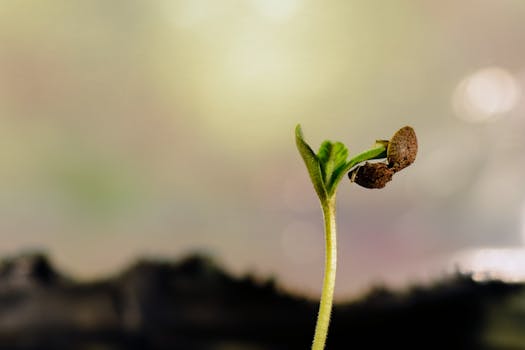
The type of cannabis seed you choose affects flowering time, plant sex, and yield. Understanding the four main types is the first step to a successful grow.
This guide breaks down feminized, autoflowering, regular, and CBD seeds. You will learn the pros, cons, and ideal use case for each type.
Table of Contents
Overview of Cannabis Seed Types
Cannabis seeds fall into four main categories based on genetics and breeding. Each type determines plant sex, flowering behaviour, and cannabinoid profile.
Choosing the right type depends on your experience, setup, and goals.
The Four Main Types
Here is a quick overview of each seed type.
- Feminized seeds: Produce only female plants and require a 12/12 light change to flower.
- Autoflowering seeds: Flower automatically based on age, not light schedule.
- Regular seeds: Natural, unmodified seeds producing both male and female plants.
- CBD seeds: Bred for high cannabidiol with minimal THC content.
Each type comes in indica, sativa, and hybrid varieties. Browse all options at our cannabis seed shop.
Feminized Cannabis Seeds
Feminized seeds are the most popular type worldwide. They produce female plants 99% of the time, eliminating the need to remove males.
Female plants produce the resinous, cannabinoid-rich buds growers want. Feminized seeds save time, space, and resources.
Pros of Feminized Seeds
Feminized seeds offer several compelling advantages.
- Guaranteed female plants: No males to identify or remove from your garden.
- Maximum space use: Every plant produces harvestable bud.
- Strain diversity: Available in hundreds of strains with diverse genetics.
- Veg control: Full control over vegetative period length.
- Cloning: Can be cloned for perpetual grows without buying more seeds.
Cons of Feminized Seeds
There are some trade-offs to consider.
- Light schedule dependency: Require a 12/12 light change to trigger flowering.
- Longer grow time: Total time is longer than autoflowers.
- Not for breeding: No male genetics available for creating new strains.
- Light leak risk: Light leaks during flowering can cause hermaphroditism.
Feminized seeds remain the top choice for maximum yield and potency.
Autoflowering Cannabis Seeds
Autoflowering seeds contain ruderalis genetics that trigger flowering automatically. Most modern autoflowers are also feminized.
Today's autoflowers rival photoperiod strains in quality. They remain the fastest path from seed to harvest.
Pros of Autoflowering Seeds
Autoflowers offer unmatched speed and simplicity.
- Fast harvest: Seed to harvest in just 8 to 12 weeks.
- No light change: No schedule manipulation needed to trigger flowering.
- Compact size: Perfect for small spaces like tents and closets.
- Hardy plants: Ruderalis heritage provides cold and stress resilience.
- Multiple outdoor harvests: Run two or three cycles per Canadian season.
Cons of Autoflowering Seeds
There are some limitations to keep in mind.
- Fixed timeline: Cannot control veg length or extend the growth period.
- Lower yields: Generally smaller harvests than photoperiod strains.
- No effective cloning: Clones flower on the same timeline as the mother.
- Less forgiving: Early mistakes cost more since recovery time is limited.
Autoflowering seeds are the best starting point for new growers in Canada.
Regular Cannabis Seeds
Regular seeds are natural, unmodified seeds that produce roughly 50% male and 50% female plants. They are the original form of cannabis seeds.
Breeders use regular seeds to create new strains by crossing selected males and females.
Pros of Regular Seeds
Regular seeds have unique advantages for specific goals.
- Natural genetics: Unmodified, stable lines with full genetic diversity.
- Essential for breeding: The only way to access male pollen for new strains.
- Vigorous growth: Often more resilient than feminized lines.
- Lower cost: Typically cheaper per seed than feminized varieties.
- Rare genetics: Access to classic strains not available in feminized form.
Cons of Regular Seeds
These challenges make regular seeds unsuitable for most beginners.
- 50% male plants: Half your plants must be identified and removed.
- Wasted space: Growing space is spent on plants that will be culled.
- Sexing required: You need experience to identify plant sex correctly.
- Pollination risk: Missed males can pollinate your entire garden.
Regular seeds are best reserved for experienced growers and breeders.
CBD Cannabis Seeds
CBD seeds produce plants with high cannabidiol and low THC. They are ideal for medical benefits without strong psychoactive effects.
CBD strains come in several ratio profiles that shape the experience.
CBD Ratio Categories
Here are the main CBD ratio options available.
- High CBD / Low THC (20:1+): Minimal psychoactive effects, best for CBD-only medical users.
- Balanced CBD:THC (1:1): Equal parts CBD and THC for mild euphoria with calming benefits.
- CBD-dominant (5:1 to 10:1): CBD is primary with trace THC, good for daily use.
- Mixed-type seeds: Available in feminized, autoflowering, and regular forms.
CBD plants grow identically to THC-dominant strains. The difference is in the cannabinoid profile, not the growing process.
Seed Type Comparison Table
This side-by-side comparison shows the differences at a glance.
| Feature | Feminized | Autoflower | Regular | CBD |
|---|---|---|---|---|
| Sex | 99% Female | 99% Female | 50/50 M/F | Varies |
| Flowering trigger | 12/12 Light | Automatic (age) | 12/12 Light | Varies |
| Seed to harvest | 12-20 weeks | 8-12 weeks | 12-20 weeks | 10-16 weeks |
| Yield potential | High | Medium | High | Medium-High |
| THC potential | Up to 30%+ | Up to 25% | Up to 30%+ | Low (0.3-5%) |
| Clonable | Yes | No (impractical) | Yes | Yes |
| Difficulty | Intermediate | Beginner | Advanced | Beginner-Inter. |
| Best for | Max yield/potency | Speed, simplicity | Breeding | Medical use |
Feminized autoflowers combine the best of two categories: guaranteed female plants with automatic flowering.
Which Seed Type for Beginners
Autoflowering feminized seeds are the best choice for new growers. They remove the two biggest beginner challenges: light schedules and male identification.
Simply germinate, plant, water, feed lightly, and harvest 8 to 12 weeks later.
Recommended Progression Path
Follow this path as you gain growing experience.
- First grow: Start with autoflowering feminized seeds for simplicity.
- Second grow: Move to photoperiod feminized seeds for more control.
- Third grow: Experiment with advanced training and different strains.
- Advanced: Explore regular seeds for breeding and phenotype hunting.
The learning curve is manageable once you complete your first autoflower grow.
Which Seed Type for Indoor Growing
Indoor growers have full environmental control, making all seed types viable. Your choice depends on goals, space, and skill level.
The best indoor seed type matches your available space and harvest style.
Best Type by Indoor Scenario
Match your setup to the right seed type.
- Small tent or closet: Autoflowers stay compact and fit two to four plants in 120x120 cm.
- Larger grow room: Feminized photoperiods let you veg to desired size before flipping.
- Perpetual harvest: Autoflowers share one light schedule with staggered starts.
- Maximum potency: Photoperiod high-THC varieties excel with ample veg time.
Indica seeds stay compact while sativa seeds can stretch significantly during flowering.
Which Seed Type for Outdoor Growing in Canada
Canadian outdoor growing faces shorter summers and unpredictable fall weather. Your seed choice significantly impacts harvest success.
Autoflowers are the safest option for most Canadian outdoor growers.
Outdoor Performance by Type
Here is how each seed type performs outdoors in Canada.
- Autoflowers (recommended): Finish in 8 to 12 weeks regardless of day length.
- Fast-flowering feminized: Some finish by early October in BC and southern Ontario.
- Regular photoperiod: Risky in northern provinces where frost arrives early.
- CBD strains: Same outdoor timing, available in autoflower form.
Autoflowering seeds guarantee a harvest before cold weather arrives.
Understanding Photoperiod vs Autoflower
The fundamental difference is how the plant triggers flowering. Understanding this helps you plan your grow correctly.
Photoperiod plants respond to light. Autoflowers respond to age.
Photoperiod Plants
Photoperiod plants need specific light changes to flower.
- Trigger: Flowering starts when light shifts to 12 hours on, 12 hours off.
- Natural cycle: This happens when days shorten in autumn.
- Grower control: You decide veg length, controlling plant size and yield.
- Seed types: Both feminized and regular seeds are photoperiod.
Autoflowering Plants
Autoflowers use age to determine flowering time.
- Trigger: Flowering begins automatically three to four weeks after germination.
- Any light schedule: They flower under 18/6, 20/4, or even 24/0.
- Fixed timeline: You cannot extend veg by keeping lights on longer.
- Trade-off: Speed and simplicity in exchange for less yield control.
Most growers eventually try both types. Autoflowers win on convenience while photoperiods win on maximum yield.
Seed Types and Canadian Growing Laws
Under the Cannabis Act, Canadian adults can grow up to 4 plants per household. This limit applies equally to all seed types.
Because every plant counts, choosing the right seed type is especially important.
Key Legal Points
Every Canadian grower should know these rules.
- Per household limit: The 4-plant limit is per household, not per person.
- Legal seed sources: Plants must be grown from legally obtained seeds.
- Provincial rules: Manitoba and Quebec have additional restrictions.
- No seed limit: You can purchase and possess unlimited seeds.
- CBD included: CBD seeds follow the same growing laws as THC seeds.
With only 4 plants allowed, feminized and autoflowering seeds are most valuable.
How to Choose the Right Seed Type
Choosing the right seed type comes down to your priorities. Your experience, space, and goals should guide the decision.
Ask yourself these key questions before buying.
Decision Factors
Use these criteria to narrow down your ideal seed type.
- Experience level: Beginners should start with autoflowers; intermediate growers can try feminized photoperiods.
- Available space: Small spaces suit autoflowers; larger rooms suit vegged photoperiods.
- Harvest speed: Autoflowers finish in 8 to 12 weeks; photoperiods take 12 to 20 weeks.
- Indoor or outdoor: Canadian outdoor growers benefit most from autoflowers.
- THC or CBD: Choose high-THC seeds or dedicated CBD strains.
- Breeding interest: Only regular seeds give you male pollen.
Most Canadian home growers find feminized autoflowers the best starting point.
Frequently Asked Questions
What is the difference between feminized and autoflower seeds?+
Are feminized seeds better than regular seeds?+
What type of cannabis seed is best for beginners?+
Can you tell cannabis seed type by looking at it?+
What are CBD seeds?+
Do regular seeds always produce male plants?+
Are autoflower seeds less potent than feminized?+
Can I clone autoflower plants?+
What is a photoperiod cannabis seed?+
How many types of cannabis seeds are there?+
Find Your Perfect Seed Type
Now that you understand the different cannabis seed types, explore our collections to find the perfect match for your growing goals.
Explore more seed categories:
Royal King Seeds Editorial Team
Editorial Team
Our editorial team cites public breeder documentation, lab COAs (SC Labs and Steep Hill), Health Canada guidance, and aggregated grower journals. We do not fabricate first-party trial data.