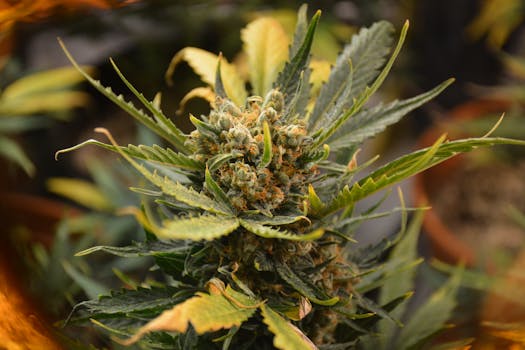
Cold hardy cannabis seeds are essential for Canadian outdoor growers. The right frost-resistant genetics prevent crop loss from early cold snaps.
This guide covers cold-resistant traits, top strains by province, and expert tips for Canada's demanding climate.
Table of Contents
What Makes Cannabis Seeds Cold Hardy
Cold hardy seeds produce plants with genetic tolerance to low temperatures. These traits come from Cannabis ruderalis and Hindu Kush landraces.
Key characteristics separate cold-tolerant strains from standard varieties.
- Thicker cell walls: Resist damage from sudden temperature drops.
- Faster flowering times: Plants finish before autumn frost arrives.
- Compact plant structure: Shorter plants retain heat more effectively.
- Robust root systems: Roots keep functioning in cool soil.
- Natural pest resistance: Compensates for cold-weather stress on the plant.
Crossing these resilient landraces with modern hybrids combines cold tolerance with potency and yield.
Why Cold Tolerance Matters in Canada
Canada's outdoor season is much shorter than temperate or tropical regions. Even southern Ontario and BC face early fall frosts.
Cold creates specific problems at every growth stage.
- Below 10°C: Metabolism slows and nutrient uptake drops sharply.
- Below 4°C: Cell damage begins in most cannabis varieties.
- At 0°C or below: A hard frost kills most cannabis plants outright.
- Cool September nights: Flowering plants become vulnerable to mold and rot.
Prairie growers need cold tolerance as a baseline requirement. BC and Ontario growers also benefit from genetics that handle swings.
Best Cold Hardy Cannabis Strains
Several strains have proven themselves in cold Canadian conditions. This table compares top cold-resistant varieties.
| Strain | Type | Flowering Time | Cold Tolerance | THC Range |
|---|---|---|---|---|
| Northern Lights | Indica | 7-8 weeks | Excellent | 16-21% |
| Frisian Dew | Hybrid | 7-8 weeks | Excellent | 14-18% |
| Early Skunk | Hybrid | 8-9 weeks | Very Good | 15-19% |
| White Widow | Hybrid | 8-9 weeks | Good | 18-25% |
| Blue Cheese | Indica | 7-8 weeks | Very Good | 17-20% |
| Critical Kush | Indica | 8 weeks | Good | 20-25% |
| Holland's Hope | Indica | 8 weeks | Excellent | 14-18% |
Northern Lights remains the most reliable cold hardy strain. Frisian Dew was bred for northern European climates and excels on the prairies.
Province-by-Province Recommendations
Each province presents different growing conditions. Below is tailored guidance for Canada's coldest regions.
Alberta
Alberta's season runs from late May through September. Southern Alberta offers 110-120 frost-free days.
- Best strains: Northern Lights Auto, Frisian Dew, and Early Skunk.
- Plant outdoors: June 1-10 gives the safest results.
- Expected harvest: Late September in most growing areas.
- Key tip: Start seeds indoors by mid-May for a head start.
Saskatchewan
Saskatchewan has cold winters but warm summers. Long daylight hours boost growth during the 100-110 frost-free day season.
- Best strains: Northern Lights, Blue Cheese Auto, and Holland's Hope.
- Plant outdoors: June 1-15 after the last frost has passed.
- Expected harvest: Mid to late September before October cold.
- Key tip: Use black fabric pots to absorb extra solar heat.
Manitoba
Manitoba's continental climate brings extreme temperature swings. Winnipeg growers have 115-125 frost-free days.
- Best strains: Early Skunk, Critical Kush Auto, and Frisian Dew.
- Plant outdoors: Late May to June 5 after frost risk passes.
- Expected harvest: Late September before October frosts arrive.
- Key tip: Plant near south-facing walls for essential wind protection.
Wind protection is essential in Manitoba. Fences and structures reduce cold-wind exposure significantly.
Autoflower vs Photoperiod for Cold Climates
Choosing between autoflowering seeds and photoperiod strains is a major decision. Each type has distinct cold-climate advantages.
This table compares the two options side by side.
| Feature | Autoflower | Photoperiod |
|---|---|---|
| Seed to harvest | 8-12 weeks | 14-20+ weeks |
| Cold tolerance | Moderate-High (ruderalis) | Strain dependent |
| Yield potential | Moderate | High |
| Multiple harvests | Yes (2 per season) | No |
| Best for | Short seasons, beginners | Experienced growers, max yield |
Autoflowers are the safest choice for most cold-climate growers. Photoperiod strains produce larger yields but require fast-flowering varieties.
Frost Protection Techniques
Even cold hardy genetics need frost protection during unexpected cold snaps. These methods can extend your season by several weeks.
Here are the most effective strategies for outdoor cannabis.
- Row covers and frost blankets: Lightweight fabric provides 2-4°C of frost protection.
- Plastic sheeting tunnels: PVC pipe and clear plastic trap heat and block wind.
- Water jugs as thermal mass: Dark containers absorb daytime heat and release it at night.
- Mulching: Thick straw layers insulate the root zone during cold nights.
- Strategic placement: Plant near south-facing walls or heat-radiating rocks.
- Container growing: Fabric pots let you move plants indoors when frost threatens.
Combining cold hardy genetics with frost protection gives the best harvest odds.
Starting Seeds Indoors for a Head Start
Starting seeds indoors adds 2-4 weeks to your effective growing season. This is one of the most effective cold climate strategies.
Follow this indoor start timeline for best results.
Step 1: Germinate in Mid-April
Germinate seeds indoors using the paper towel method. Keep temps at 22-25°C for best results.
Step 2: Transplant to Small Pots
Move seedlings into small pots under grow lights in late April. Keep the light cycle at 18 hours on and 6 hours off.
Step 3: Harden Off and Move Outdoors
Begin hardening off outdoors during warm afternoons in mid-May. Transplant outdoors after your last frost date, typically late May to June.
Autoflower Tip
Start autoflowers in their final container from the beginning. They do not respond well to transplanting during their short lifecycle.
Hardening off over 7-10 days is critical before permanent outdoor placement.
Soil and Nutrient Tips for Cold Growing
Cold soil slows nutrient uptake significantly. Below 15°C, phosphorus absorption drops sharply.
These strategies optimize soil for cold conditions.
- Dark-coloured containers: Absorb solar heat and warm roots faster than light pots.
- Perlite and vermiculite: Improve drainage since cold waterlogged soil kills roots.
- Mycorrhizal fungi: Help roots absorb nutrients more efficiently in cool soil.
- Compost top-dressing: Provides slow-release nutrients and insulates the soil surface.
- Reduce feeding in cold weather: Plants cannot process nutrients when they are cold-stressed.
For more detail, see our complete cannabis soil and nutrients guide.
Greenhouse Growing in Cold Climates
A greenhouse gives Canadian cold-province growers the best of both worlds. You get natural sunlight without full exposure to cold and wind.
Consider these greenhouse options for cold climate cannabis.
- Polycarbonate greenhouses: Durable with excellent insulation and diffused light distribution.
- Polyethylene tunnel houses: Affordable and effective for seasonal prairie use.
- Cold frames: Small ground-level enclosures ideal for hardening off seedlings.
- Unheated structures: Keep temperatures 5-10°C above outdoor conditions naturally.
Adding water barrels for thermal mass and a small heater makes greenhouse growing viable almost anywhere in Canada.
Harvesting Before the Frost
Timing your harvest is critical in Canada. Even frost-tolerant strains suffer when exposed to freezing temps during late flowering.
Your response depends on maturity when frost threatens.
- Plants are ready (milky trichomes): Harvest immediately without waiting for amber.
- Plants need 1-2 more weeks: Apply frost covers and try to ride it out.
- Plants need 3+ more weeks: Do a partial harvest of the most mature buds.
- Hard frost coming: Harvest everything rather than risk total crop loss.
Light frost on fan leaves does not ruin your harvest. The real danger is ice inside buds, which causes mold during drying.
Common Mistakes in Cold Climate Growing
New outdoor growers in cold climates make preventable errors. Avoiding these saves entire crops.
Here are the most common pitfalls to watch for.
- Choosing wrong genetics: Tropical sativas needing 12+ weeks never finish in Alberta.
- Planting too early: Putting seedlings out before last frost rarely pays off.
- Overwatering in cool weather: Plants drink less when cold, causing root rot.
- Ignoring wind exposure: Cold wind strips moisture and intensifies low temperatures.
- Not monitoring trichomes: Trust trichomes for harvest timing, not calendar dates.
- Skipping hardening off: Allow 7-10 days of outdoor transition for seedlings.
Proper genetics and preparation beat improvisation every time in cold climates.
Frequently Asked Questions
Can cannabis survive frost in Canada?+
What are the best cold hardy cannabis seeds for Alberta?+
How cold is too cold for cannabis plants?+
Do autoflower seeds handle cold better than photoperiod seeds?+
When should I plant cold hardy seeds outdoors in Canada?+
Can I grow cannabis outdoors in Saskatchewan?+
What makes a cannabis strain cold hardy?+
Should I use a greenhouse for cold climate cannabis growing?+
Ready to grow in Canada's cold climate? Browse our cold-tolerant seeds.
Royal King Seeds Editorial Team
Editorial Team
Our editorial team cites public breeder documentation, lab COAs (SC Labs and Steep Hill), Health Canada guidance, and aggregated grower journals. We do not fabricate first-party trial data.