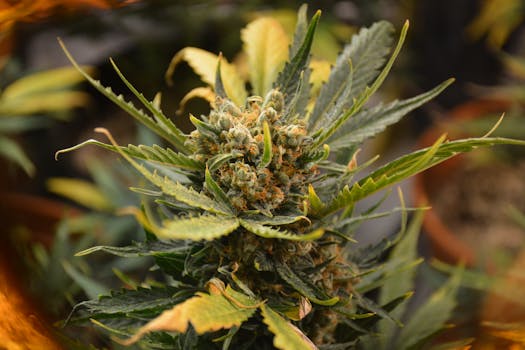
Short season cannabis seeds complete their lifecycle within Canada's limited frost-free window. Choosing the right genetics is the most important decision for outdoor success.
This guide covers province-specific planting dates, top strains, and a complete roadmap for outdoor cannabis in every Canadian region.
Table of Contents
Understanding Canada's Short Growing Season
Canada's outdoor season spans from last spring frost to first fall frost. This window ranges from 85 days in northern Alberta to 200+ days on the BC coast.
Several factors make the effective season even shorter.
- Cold nights: Wait until nights stay above 10°C before moving plants outside.
- Fall humidity: Increasing moisture causes bud rot before frost arrives.
- Practical window: The real outdoor season is approximately 12-16 weeks.
- Local variation: Elevation, water proximity, and urban heat all affect timing.
Short season seeds achieve fast results through rapid vegetative growth and compressed bloom periods.
Planting Dates by Province
Knowing when to plant is critical for short season success. This table provides recommended dates by province.
| Province | Start Indoors | Transplant Outdoors | Auto Harvest | Photo Harvest |
|---|---|---|---|---|
| British Columbia | Mid-April | Mid-May | Jul-Aug | Late Sep-Oct |
| Alberta | Early May | Early June | Aug-Sep | Late Sep |
| Saskatchewan | Early May | Early June | Aug-Sep | Late Sep |
| Manitoba | Early May | Late May | Aug-Sep | Late Sep |
| Ontario | Late April | Late May | Jul-Aug | Early-Mid Oct |
| Quebec | Late April | Late May | Aug-Sep | Early Oct |
| Atlantic Provinces | Early May | Early June | Aug-Sep | Early Oct |
Always check your local forecast. Have frost protection ready for the first 2 weeks outdoors.
Best Autoflower Seeds for Short Seasons
Autoflowering seeds are the top choice for short seasons. Their lifecycle depends on age, not light cycle.
Here are the best autoflower picks for Canadian short seasons.
- Northern Lights Auto: 9-10 weeks with excellent cold tolerance at 16-20% THC.
- Quick One Auto: 8 weeks from seed, virtually guaranteed to finish anywhere.
- Critical Auto: 9-10 weeks with chunky, resinous buds at 18-22% THC.
- Blueberry Auto: 9-10 weeks with beautiful purple colours and sweet flavour.
- White Widow Auto: 10-11 weeks, worth the extra time for potency.
- Royal Dwarf: 8-9 weeks and very compact for discreet growing spaces.
For the shortest seasons, stick with 8-10 week autoflowers. That extra week can mean the difference between a clean harvest and frost scrambles.
Best Photoperiod Seeds for Short Seasons
Fast-finishing feminized photoperiod seeds produce larger yields than autoflowers. Choose strains with 7-8 week flowering times.
These photoperiod strains work best in short Canadian seasons.
- Northern Lights: Finishes in 6-7 weeks with outstanding cold tolerance.
- Early Skunk: Purpose-bred for cold climates at 7-8 weeks of flowering.
- Frisian Dew: Developed for northern Europe with purple phenotypes at 7-8 weeks.
- Holland's Hope: A Dutch outdoor classic with good mold resistance at 8 weeks.
- Quick Critical+: Just 6-7 weeks of flowering with commercial-grade yields.
Photoperiod strains begin flowering around mid-August in Canada. Adding 7 weeks means harvest around early October.
Why Autoflowers Excel in Short Seasons
Autoflowers contain Cannabis ruderalis genetics from harsh Siberian climates. These genetics provide several short-season advantages.
Here is why autoflowers outperform in compressed growing windows.
- Age-based flowering: Begin producing buds after 3-4 weeks regardless of light.
- Compact lifecycle: Seed to harvest in 8-12 weeks avoids frost entirely.
- Long day advantage: Canada's 16-18 hour summer days boost autoflower yields.
- Cold tolerance: Ruderalis genetics handle cool Canadian nights naturally.
- Succession planting: Fast lifecycles allow multiple rounds per season.
Modern autoflowers produce 20%+ THC buds at up to 150g per plant outdoors. That is plenty for personal use under Canada's 4-plant limit.
Starting Seeds Indoors for Maximum Season
Starting seeds indoors adds 2-4 weeks to your effective season. This simple technique protects young plants from outdoor risks.
You need just a few basic supplies to get started.
- Small pots or starter cells: 3-4 inch pots work perfectly for seedlings.
- Quality seed starter mix: Light, well-draining soil without heavy nutrients.
- A grow light: Even a basic LED shop light works at 18 hours on.
- Warmth: Maintain 22-25°C with a heat mat if needed.
Germinate seeds 2-4 weeks before your planned transplant date. By transplant time, plants will be 10-15cm tall.
Hardening Off and Transplanting
Hardening off acclimates indoor seedlings to outdoor conditions. Skipping this step is a common short season mistake.
Follow this 7-10 day schedule for best results.
Days 1-2: Introduce Shade
Place plants outdoors in shade for 2-3 hours. Bring them inside for the rest of the day.
Days 3-6: Increase Sun Exposure
Increase to 4-8 hours outdoors with some morning sun. Gradually add more direct sunlight each day.
Days 7-10: Full Outdoor Exposure
Leave plants outdoors for the full day. Only bring inside if temps drop below 8°C at night.
Transplant on cloudy days or in the evening. Dig a hole twice the root ball size and water well.
Maximizing Growth During Long Summer Days
Canadian summers provide 16-18+ hours of daylight. This is a major advantage over southern latitudes.
Take full advantage with these strategies.
- Optimize nutrition: Plants in long days consume nutrients faster than expected.
- Water consistently: More light means more transpiration and water need.
- Train your plants: Use LST and topping to maximize light absorption.
- Choose full sun: Full southern exposure is ideal for maximum growth.
Autoflowers especially benefit from long days. They produce buds while receiving 16+ hours of light, boosting yields.
Container Growing for Flexibility
Containers give short season growers a critical advantage: mobility. When frost threatens, simply move plants indoors.
Follow these container growing tips for short seasons.
- Pot size matters: Use 10-20L fabric pots for autos, 20-40L for photoperiods.
- Fabric pots are best: They air-prune roots and drain exceptionally well.
- Dark-coloured pots: Black fabric absorbs solar heat, warming the root zone.
- Wheeled dollies: Place pots on dollies for quick moves under cover.
- Quality soil mix: Use cannabis soil or mix peat, perlite, and compost.
The main drawback is faster drying. Mulch on top helps retain moisture between daily waterings.
Succession Planting for Multiple Harvests
Succession planting staggers autoflower starts every few weeks. This spreads risk and extends your harvest window.
Here is a typical schedule using 9-week autoflowers.
- Round 1: Plant late May, harvest early August.
- Round 2: Plant mid-June, harvest late August.
- Round 3: Plant early July, harvest mid-September.
This works best in southern Canada. Prairie growers may only manage 2 rounds.
Staggered harvests also prevent processing large amounts at once. Each batch gets proper trimming and curing attention.
Common Short Season Growing Mistakes
Canadian short season growers frequently make preventable errors. Avoiding these saves entire harvests.
Here are the most common pitfalls.
- Choosing slow strains: A 12-week sativa never finishes outdoors in most of Canada.
- Planting too late: Every week of delay costs a week of growing time.
- Not starting indoors: Direct outdoor seeding wastes 2-4 weeks of your season.
- Ignoring cold nights: Use row covers on nights below 10°C during early weeks.
- Overwatering in cool weather: Cool temps reduce transpiration, so let soil dry.
- Not monitoring for mold: Inspect daily for bud rot and mildew as fall approaches.
Preparation and proper genetics beat improvisation every time.
Frequently Asked Questions
What are the best cannabis seeds for a short growing season?+
Can I grow cannabis outdoors in northern Canada?+
When should I plant cannabis seeds outdoors in Canada?+
How many cannabis plants can I grow in Canada?+
Do autoflowers yield less than photoperiod strains?+
What is the shortest cannabis growing season that works?+
Should I use a greenhouse for short season growing?+
Can I grow two crops of autoflowers in one Canadian summer?+
How do long summer days in Canada affect cannabis growth?+
What is the best soil for short season outdoor cannabis?+
Find the perfect seeds for your short Canadian growing season.
Royal King Seeds Editorial Team
Editorial Team
Our editorial team cites public breeder documentation, lab COAs (SC Labs and Steep Hill), Health Canada guidance, and aggregated grower journals. We do not fabricate first-party trial data.