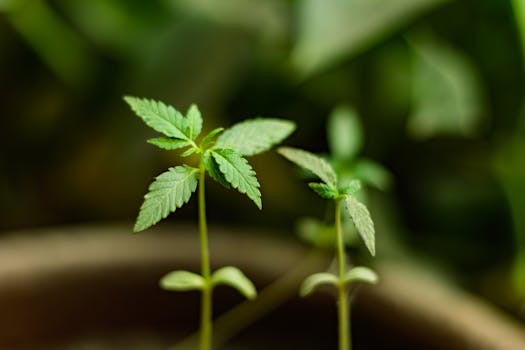
A hermaphrodite cannabis plant develops male pollen sacs alongside female buds. It can pollinate itself and surrounding plants.
This guide covers identification, prevention, and why quality feminized seeds significantly reduce the risk.
Table of Contents
What Is a Hermaphrodite Cannabis Plant
A hermaphrodite develops both male and female organs. Normal cannabis is either male or female.
Hermaphroditism has serious consequences for growers.
- Self-pollination: The plant fertilizes its own buds with seeds.
- Cross-pollination: One pollen sac releases thousands of airborne grains.
- Room-wide impact: One undetected hermie can seed every nearby plant.
- Quality loss: Seeded buds have reduced potency and market value.
Understanding causes and signs is essential for every grower.
Types of Hermaphroditism in Cannabis
There are two distinct types. The difference helps you assess risk and choose your response.
True Hermaphrodites
True hermaphrodites develop fully formed pollen sacs alongside female flowers. These ball-shaped structures appear at the nodes early in flowering.
This type is usually genetic in origin.
Nanners (Banana-Type)
Nanners are banana-shaped male anthers emerging from within buds. They appear during mid to late flowering.
Nanners release pollen immediately upon forming. This type is stress-driven, not genetic. Both types need management to prevent pollination.
What Causes Cannabis Hermaphroditism
Most cases involve environmental stress, genetic predisposition, or both. Stress triggers the plant's survival response.
These are the most common stress triggers.
- Light leaks: The single most common trigger during the dark period.
- Heat stress: Temperatures consistently above 30°C or hot spots from grow lights.
- Inconsistent schedules: Timer failures confuse the plant's hormones.
- Physical damage: Aggressive training or breakage during flowering.
- Nutrient problems: Severe deficiencies or toxicities during critical stages.
- Late harvest: Plants past their window may develop nanners.
A healthy plant in a stable environment has minimal hermie risk.
Light Stress and Hermaphroditism
Light stress is the number one indoor cause. Photoperiod cannabis needs a precise 12/12 cycle.
Check for these common sources of light leaks.
- Tent zipper gaps: Even small gaps let in enough light. Seal with tape.
- LED indicator lights: Power strips and equipment indicators disrupt darkness.
- Timer malfunctions: Use reliable digital timers and check regularly.
- Opening during dark: Even a brief peek causes problems.
- Outdoor light pollution: Street lights prevent proper darkness for outdoor plants.
For autoflower growers, light stress is less of a concern. Extremely intense light can still trigger nanners.
Genetic Factors in Hermaphroditism
Some strains are genetically more prone. Even mild stress triggers male flowers in susceptible varieties.
These genetic factors increase hermaphrodite risk.
- Unstable genetics: Seeds from unknown breeders may carry hermie tendencies.
- Thai and sativa landraces: Some equatorial genetics have higher natural rates.
- Seeds from hermie plants: Self-pollinated hermaphrodites pass the trait on.
- Poorly made feminized seeds: Untested mothers produce higher hermie rates.
Investing in proven genetics prevents potentially devastating crop losses.
How to Identify Hermaphrodite Cannabis
Early detection is critical. Inspect plants every 2-3 days during flowering.
Look for these telltale signs.
- Pollen sacs (balls): Small, round structures on short stems at the nodes.
- Nanners (bananas): Small, curved, yellow growths emerging from buds.
- Seeds forming: Hard, round seeds inside buds signal pollen release.
- Unusual node growth: Females show white pistils; males show smooth balls.
Pro Tip: Use a magnifying glass to inspect suspicious structures. Female calyxes always have at least one pistil. Pollen sacs never have pistils.
The sooner you identify the problem, the less pollination damage occurs.
What to Do If You Find a Hermie
Your response depends on severity and flowering stage. Act quickly to minimize pollination.
Few Male Parts Present
Here is how to handle a mild case.
- Remove carefully: Use tweezers to pluck each pollen sac or nanner.
- Mist with water: Water neutralizes airborne pollen on contact.
- Monitor daily: Watch for new male structures appearing.
- Fix the cause: Address light leaks, heat, or environmental instability.
Extensive Male Flowers
A severe case requires more drastic action.
- Remove the plant: Take the entire plant out of your grow space.
- Handle gently: Avoid shaking, which releases pollen.
- Mist surrounding plants: Water neutralizes any released pollen.
- Monitor remaining plants: Watch for seed development over 2-3 weeks.
Near harvest with only a few nanners? Remove them and continue. A few seeds beats losing the crop.
Will Hermaphrodite Buds Get You High
Yes, hermaphrodite buds still contain cannabinoids. However, quality is reduced compared to seedless cannabis.
Here is how hermaphroditism affects bud quality.
- Reduced potency: The plant diverts energy from cannabinoids to seeds.
- Seeded buds: Seeds take up space that would otherwise be flower.
- Harsher smoke: Accidentally burned seeds produce an unpleasant taste.
- Reduced bag appeal: Seeded buds are less dense and less attractive.
Lightly seeded buds from a late-stage hermie are still usable and safe.
Why Feminized Seeds Reduce Hermie Risk
Quality feminized seeds come from extensively tested mother plants. Only the most stable females are used.
The production process ensures low hermie rates.
- Multi-generation testing: Breeders discard any plants showing hermie tendencies.
- Stable mothers: Only females that stay 100% female under stress are selected.
- Under 1% hermie rate: Quality feminized seeds hermie less than 1% of the time.
- Regular seed comparison: Regular seeds produce 50% males with unknown hermie risk.
Choose a reputable seed bank with a track record of stability.
Prevention Best Practices
Preventing hermaphroditism is much easier than dealing with one. Follow these best practices.
- Start with quality genetics: Buy from reputable breeders as the most important step.
- Eliminate all light leaks: Sit inside your grow space during darkness to check.
- Use a reliable timer: Invest in a quality digital timer with a backup.
- Control temperature: Keep flowering temps between 20-26°C.
- Minimize stress during flower: Do all major training during veg only.
- Harvest on time: Do not push plants past their optimal window.
Canadian outdoor growers should avoid light pollution. Use autoflowering seeds if true darkness is not possible.
Frequently Asked Questions
What is a hermaphrodite cannabis plant?+
What causes cannabis plants to turn hermaphrodite?+
Can feminized seeds turn hermaphrodite?+
What do cannabis nanners look like?+
Should I remove a hermaphrodite cannabis plant?+
Can you smoke hermaphrodite cannabis?+
Does light leak cause hermaphrodite cannabis?+
How do I prevent hermaphrodite cannabis plants?+
Are seeds from hermaphrodite plants feminized?+
Reduce your hermie risk with quality feminized genetics.
Royal King Seeds Editorial Team
Editorial Team
Our editorial team cites public breeder documentation, lab COAs (SC Labs and Steep Hill), Health Canada guidance, and aggregated grower journals. We do not fabricate first-party trial data.