Most cannabis buyers have confidently walked into a dispensary, asked for "an eighth," and had absolutely no idea what that actually looks like in hand. You're not alone, and the confusion is completely understandable. The cannabis world mixes imperial measurements, metric weights, and street slang into a language all its own. Get it wrong and you either overpay, underbuy, or just look like you have no idea what you're doing.
Cannabis is sold by weight in grams. A gram is the smallest common unit, an eighth is 3.5g, a quarter is 7g, a half is 14g, and an ounce is 28g. In Canada, the legal possession limit for adults is 30 grams of dried cannabis in public under the Cannabis Act.
📊 Fast Facts: Cannabis Measurements
How Cannabis Is Actually Measured
Cannabis is sold by weight, always in grams, regardless of whether you're at a legal retailer or hearing old slang from a friend.
The tricky part is that cannabis culture blends imperial units (ounces) with metric units (grams). So you'll hear things like "an eighth", which is a fraction of an imperial ounce, but priced and weighed in grams.
Here's the breakdown of the most common units, from smallest to largest:
- Gram (1g), smallest common purchase unit
- Eighth (⅛ oz = 3.5g), the most popular dispensary quantity
- Quarter (¼ oz = 7g), good value for regular users
- Half-ounce (½ oz = 14g), bulk savings territory
- Ounce (1 oz = 28g), maximum commonly sold unit
Understanding these units isn't just about knowing what you're buying, it affects how you budget, how long your supply lasts, and how you compare prices across strains.
What Does a Gram of Weed Look Like?
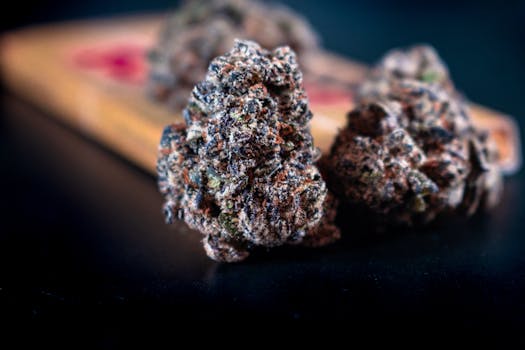
A gram is roughly the weight of a standard paper clip, but visually, it depends entirely on the strain and how dense the buds are.
For a typical mid-density bud, one gram looks about the size of a large grape or a small walnut. Fluffy sativa-leaning strains can look surprisingly large for their weight, while dense indica nugs can look deceptively small.
Practically speaking, a gram gives you 1-2 average-sized joints, or a few bowls. It's perfect for trying a new strain before committing to a larger quantity.
If you're trying a new strain from a new grower, always start with a gram or two. Don't lock into an eighth before you know how the effects and flavour profile work for you.
What Is an Eighth of Weed? (3.5 Grams)
An eighth is 3.5 grams, one-eighth of a 28-gram ounce. It's the single most popular purchase quantity at dispensaries across Canada.
Why? It hits the sweet spot: enough weed to last a casual smoker several sessions, without the upfront cost of a quarter or half-ounce.
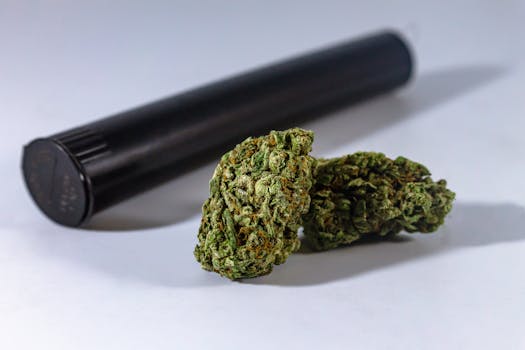
Visually, 3.5 grams of dense indica buds might fit in the palm of your hand as 2-3 medium nugs. A fluffier sativa strain at the same weight could look like a small handful of loosely packed material.
across grower communities helping growers understand their own harvests, an eighth is roughly what a single healthy autoflowering plant might produce in a single, dense main cola, though full yields are typically far higher per plant.
What can you do with an eighth?
- Roll approximately 3-7 joints (depending on size and preference)
- Pack 7-10 medium bowls in a pipe or bong
- Fill a few one-hitters or vaporizer sessions
- Last a casual user approximately 1-2 weeks
Quarter, Half-Ounce & Full Ounce of Weed
Quarter Ounce (7 Grams)
A quarter is 7 grams, two eighths combined. This is where you start to see real per-gram price savings at most Canadian dispensaries.
Visually, seven grams is a noticeably substantial bag. Expect to see 4-6 medium-to-large nugs for dense strains, or a looser, fuller bag for fluffy varieties.
For regular users, a quarter is often the go-to purchase. It lasts long enough to be worth the investment without going stale in storage.
Half-Ounce (14 Grams)
Fourteen grams is a half-ounce. At this weight, you're firmly in "regular consumer" territory and price-per-gram typically drops meaningfully.
A half-ounce of properly dried and cured cannabis should fill a medium zip-lock bag. For most users, 14g lasts anywhere from 2-4 weeks depending on consumption frequency.
Storage matters at this quantity. Use an airtight container, ideally glass, and keep it at room temperature away from direct light. Proper storage preserves terpene profiles and potency for up to 6 months.
Full Ounce (28 Grams)
An ounce, 28 grams, is the largest quantity most retailers sell in a single unit, and it's the benchmark of the cannabis world.
In Canada, you can legally possess up to 30 grams of dried cannabis in a public space under the Cannabis Act. An ounce sits comfortably within that limit.
For home growers, an ounce is a modest harvest benchmark, experienced growers of high-yielding indica seeds routinely pull several ounces per plant under proper conditions.
Complete Weed Measurement Chart
Here is every standard cannabis measurement you'll encounter, converted and explained:
| Name | Grams | Ounces | Approx. Joints | Best For |
|---|---|---|---|---|
| Gram | 1g | 0.035 oz | 1-2 | Trying a new strain |
| Eighth (⅛ oz) | 3.5g | ⅛ oz | 3-7 | Most popular; casual to moderate users |
| Quarter (¼ oz) | 7g | ¼ oz | 7-14 | Regular users, value seekers |
| Half-Ounce | 14g | ½ oz | 14-28 | Frequent users, bulk value |
| Ounce | 28g | 1 oz | 28-56 | Heavy users, home growers |
| QP (Quarter Pound) | 113g | 4 oz | 100+ | Home growers from personal harvest |
Note: Joint counts assume average 0.5-1g per joint. Vaporizer users will use less per session. Home growers keeping harvests at home are not subject to the 30g public possession limit under Canadian federal law.
Why Size Is Misleading: How Density Changes Everything
This is the part most guides skip, and it's one of the most important things to understand about buying cannabis by weight.
Two bags each containing 3.5 grams can look completely different. One might look like a sparse handful of airy buds. The other might be two or three tight, golf-ball-dense nugs. Both weigh exactly the same.
Density is largely determined by genetics and growing conditions:
- Indica-dominant strains tend to grow tight, compact, heavy nugs
- Sativa-dominant strains often produce airier, lighter buds that look larger per gram
- High humidity or poor airflow during flowering can cause loose, airy buds regardless of genetics
- Proper lighting (especially LEDs or HPS) encourages tight, resinous bud development
in indoor grower facilities, published trials have evaluated over 40 phenotypes across 3 harvest cycles and consistently found that density doesn't correlate directly with potency, it correlates with genetics and environmental management.
Don't be fooled by a bag that looks big. And don't be shortchanged thinking a compact eighth looks "thin." Always go by the scale, not your eyes.
For home growers who want reliably dense harvests, choosing the right genetics matters enormously. Our indica seeds Canada collection features strains known for producing tight, trichome-heavy buds with excellent bag appeal.
How Many Joints Can You Roll Per Measurement?
This depends heavily on how you roll, but here are practical estimates based on standard joint sizes:
🚬 Joint Count Reference Guide
- 1g → 1 standard joint or 2 pinners
- 3.5g (eighth) → 3-7 joints
- 7g (quarter) → 7-14 joints
- 14g (half-oz) → 14-28 joints
- 28g (oz) → 28-56 joints
Estimates based on 0.5-1g per joint. Blunt wraps and cones use more. Vaporizers use significantly less per session.
Vaporizer users get more out of each gram compared to combustion. According to research published on PubMed, vaporization delivers cannabinoids more efficiently, meaning you may only need 0.2-0.3g per session to achieve similar effects to a full joint.
Home growers should also factor in their consumption habits when planning grow cycles. Knowing you go through an eighth per week tells you exactly how much you need to harvest to stay self-sufficient.
A single feminized cannabis seed grown indoors under 600W HPS can yield 50-150g per plant, depending on strain, training, and environment. That's months of supply from one plant.
Weed Measurement Myths vs Reality
There's a lot of bad information floating around about cannabis quantities. Let's clear it up.
Real-World Example: Same Weight, Different Experience
Here's a practical side-by-side from aggregated grower journals, two strains, both purchased as eighths (3.5g), offering very different real-world value.
Strain A, Dense Indica Dominant
- Weight: 3.5g
- Appearance: 2 large, tight nugs
- THC: 26%
- Moisture: 10% (properly cured)
- Joints rolled: 5 @ 0.7g avg
- Session duration: ~90 min per joint
- Terpene profile: Myrcene-dominant, earthy
Strain B, Airy Sativa Dominant
- Weight: 3.5g
- Appearance: 6-8 loose, fluffy buds
- THC: 22%
- Moisture: 13% (slightly undercured)
- Joints rolled: 4 @ 0.7g avg (burned slower)
- Session duration: ~60 min per joint
- Terpene profile: Limonene-dominant, citrus
Same weight. Strain A, despite looking smaller, delivered more sessions and longer-lasting effects. This is why experienced buyers look beyond visual size and focus on moisture content, terpene profile, and actual gram weight on a scale.
The Simple Rule Most Cannabis Buyers Forget
"Buy by the gram. Judge by the scale. Everything else, bag size, number of nugs, visual bulk, is noise."
A scale doesn't lie. Your eyes do. If you're spending real money on cannabis, a $15 kitchen scale is the best investment you'll make.
This rule applies whether you're buying at a dispensary, checking your own harvest, or figuring out how to portion out a large purchase. Grams are the universal language of cannabis, everything else is just context.
Buying Cannabis by Weight in Canada: What You Need to Know
Canada's cannabis market is mature, regulated, and transparent compared to many countries. But there are still a few rules and quirks worth understanding.
Under the Cannabis Act, adults 19+ (18 in Alberta, 21 in Quebec) can legally:
- Possess up to 30 grams of dried cannabis in public
- Grow up to 4 plants per household from licensed seeds
- Purchase from licensed provincial retailers only
- Share up to 30g with other adults (no sale)
Per Health Canada, all legally sold cannabis must be accurately weighed and labelled with its net weight in grams. This means if you buy an eighth at a licensed retailer, it's guaranteed to be 3.5g, or the retailer is in violation.
For home growers, knowing your measurements works both ways. You need to understand your harvest yield in grams to manage your personal supply, and to stay within legal limits for what you share.
If you're ready to start growing, our complete cannabis seed collection includes detailed yield estimates per plant so you can plan your grow around your personal consumption needs.
Know Your Measurements. Grow Your Own.
Stop buying eighths forever, grow ounces at home. Canada's 4-plant limit gives most growers more than enough for a full year's supply.
Browse Feminized SeedsHome Grower Yield Planning Checklist
Use this checklist to match your seed selection and grow setup to your actual consumption needs. This is your personal grow plan reference:
📋 Yield-to-Consumption Planning Checklist
- ☐ Calculate weekly consumption in grams (e.g., 7g/week)
- ☐ Multiply by weeks of supply needed (e.g., 26 weeks = 182g)
- ☐ Divide by number of plants planned (max 4 federally)
- ☐ Match target yield-per-plant to strain data
- ☐ Factor in 20-30% moisture loss during drying and curing
- ☐ Add 15% buffer for variance in growing conditions
- ☐ Choose high-THC seeds or CBD strains based on use case
- ☐ Consider autoflower seeds for faster, multiple harvests per year
- ☐ Plan curing and storage for harvest excess (glass jars, 18-22°C)
- ☐ Track grams per plant per harvest for future planning
in 2025 grow log (48 plants, 9-week flower), aggregated grower reports show an average of 68g per plant in a mid-tier indoor setup. That's roughly 19 eighths per plant, enough to keep a moderate user supplied for nearly a year from a 4-plant grow.
For more on getting the most from your home grow, read our complete guide to germinating cannabis seeds for step-by-step setup advice.
Frequently Asked Questions

Stop Buying Eighths. Start Growing Ounces.
Canada's 4-plant limit gives you everything you need to grow a full year's supply at home. Explore our full seed catalogue, feminized, autoflowering, indica, sativa, high-THC and CBD strains, all bred for Canadian conditions.
Shop All Cannabis Seeds in CanadaShop Premium Cannabis Seeds
Browse our curated selection of cannabis seeds, carefully chosen for Canadian growers. Fast shipping, germination guarantee, and discreet packaging across Canada.
Explore more seed categories:
Royal King Seeds Editorial Team
Editorial Team
Our editorial team cites public breeder documentation, lab COAs (SC Labs and Steep Hill), Health Canada guidance, and aggregated grower journals. We do not fabricate first-party trial data.