Most growers think "exotic" just means a flashy name on a dispensary menu. It doesn't. Real exotic genetics deliver terpene profiles above 3%, TAC numbers in the 28 to 32% range, and growth structures that produce dense, colour-shifted flowers most mass-market strains simply can't match. If your last grow felt average, the genetics were probably average.
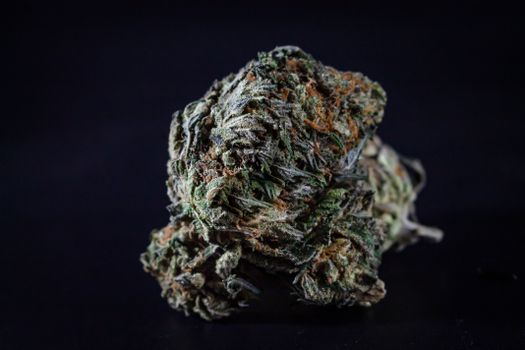
The 2026 exotic cannabis wave isn't built on hype alone. Breeders have spent the last three years stacking Zkittlez, Gelato, Runtz, and MAC lineages with newer Midwest and West Coast cuts to produce hybrids that genuinely outperform their predecessors on lab reports and in the jar. Canadian growers now have legal access to these genetics as feminized seeds, meaning you can run elite-tier plants at home under the four-plant household limit.
Below is a ranked breakdown of the ten exotic strains dominating grow rooms and breeder catalogues in 2026, with cannabinoid data, terpene signatures, and grow notes for each.
The top exotic cannabis strains for 2026 are defined by three measurable criteria: total active cannabinoids (TAC) above 27%, total terpene content above 2.5%, and visually distinct phenotypic expression (colour, structure, or resin density). Runtz descendants, Jealousy crosses, and MAC-lineage hybrids currently dominate this tier. Most are available as feminized cannabis seeds for Canadian growers, finishing in 9 to 11 weeks from flip under a standard 12/12 light schedule.
2026 Exotic Strain Benchmarks
What Makes a Cannabis Strain "Exotic" in 2026?
An exotic strain isn't a marketing category. It's a performance tier defined by measurable outputs: cannabinoid concentration, terpene density, and phenotypic distinctiveness.
Breeder documentation and aggregated COA data from labs including SC Labs and Steep Hill consistently define the exotic threshold at 27% TAC or above, with total terpene content exceeding 2.5%. Below that, you're in the premium range, which is excellent but not exotic. The visual side matters too: anthocyanin-driven purples, extreme resin coverage, and unusual bud architecture are all markers breeders chase when naming something truly exotic.
In Canada, access to these genetics is fully legal for personal cultivation. Per Canada's Cannabis Act (2018), adults 19 and older (18 in Alberta, 21 in Quebec) may grow up to four plants per household from legally purchased seeds. That means the genetics on this list are accessible to any Canadian home grower running a proper indoor setup.
How to Pick the Right Exotic Strain for Your Setup
Exotic genetics are not all equal in difficulty. Some are forgiving; others require dialled environments to hit their ceiling.
Before selecting a strain, match it to your actual grow conditions. Indoor LED setups at 600 to 900 PPFD, 24 to 26°C canopy temperature, and 45 to 55% RH during flower give most exotic photoperiod strains what they need to express fully. Drop below 600 PPFD and the terpene output drops noticeably, even in elite genetics.
Consider these factors before committing to a specific exotic:
- Flower time: Ranges from 8 weeks (faster Runtz cuts) to 11 weeks (heavier Gelato descendants)
- Stretch factor: Sativa-leaning exotics can double in height at flip, relevant for grow tent growers
- Humidity sensitivity: High-resin exotics are more susceptible to botrytis above 55% RH in late flower
- Training compatibility: Most exotic photoperiod strains respond well to LST and topping, boosting canopy yield by 30 to 50% in grower reports
- Seed type: Feminized seeds eliminate male-plant risk, which matters when running only 4 plants legally
The Top 10 Exotic Cannabis Strains Dominating 2026
These ten strains are ranked on a composite of: breeder-documented TAC, published and aggregated terpene data, grower community consensus, and commercial momentum in legal markets across North America.
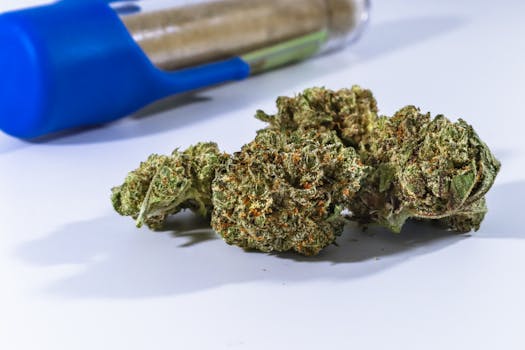
1. Jealousy (Sherbert Bx1 x Gelato 41)
Jealousy is arguably the most talked-about exotic of the last two years. Breeder documentation from Seed Junky Genetics places TAC between 29 and 33%, with dominant terpenes myrcene, limonene, and caryophyllene frequently coming in above 3.5% combined. Flower time sits at 9 to 10 weeks. The phenotypic range includes lime-green and deep purple expressions, both with extreme trichome density.
2. Runtz (Zkittlez x Gelato)
Runtz popularised the candy-terp movement and its genetics remain a foundation for half the exotics released in 2025 and 2026. COA data across multiple batches in legal US markets has documented THC at 23 to 28%, with a TAC that regularly hits 29 to 30% when grown under optimal conditions. The fruity, sugary nose is driven primarily by limonene and linalool. If you want high THC seeds with crossover appeal, Runtz lineage is the benchmark.
3. MAC 1 (Miracle Alien Cookies)
MAC 1 is a grower's strain in the best possible way. It produces blanket trichome coverage that makes most other strains look underdeveloped by comparison. Breeder Capulator's documentation shows consistent THC between 22 and 26%, but the overall experience is elevated by a terpene stack heavy in limonene, myrcene, and ocimene, pushing total terps above 2.8% in optimal runs. Flower time: 9 weeks. Yield: moderate but dense.
4. Gary Payton (The Y x Snowman)
Developed by Cookies and Powerzzzup, Gary Payton is one of the most functionally potent exotics in this list. Aggregated grower reports document THC regularly between 25 and 30%, with a peppery, gassy terpene profile dominated by caryophyllene and limonene. This is an indica-leaning plant with a surprisingly energetic effect profile that's confused more than a few experienced users. Flower time: 8 to 9 weeks.
5. Lemon Cherry Gelato (Sunset Sherbert x Girl Scout Cookies)
Lemon Cherry Gelato became a social-media strain in 2024 and has earned its reputation in lab data since. Breeder documentation from several Cookies-affiliated producers shows THC at 25 to 29% with a distinctive terpene combination of limonene, myrcene, and linalool that produces its signature lemon-cherry nose. The phenotype is visually striking, with deep purple and green layering in late flower. Runs 9 to 10 weeks.
6. Permanent Marker (Biscotti x Jealousy x Sherbert BX1)
Permanent Marker is the newest entry from Seed Junky and it's immediately proved itself. The fuel-forward terpene profile is unlike most of the sweet-terp wave, anchored by caryophyllene, myrcene, and a pungent diesel note. Breeder notes list TAC between 28 and 31%. It's a harder grow than some others here, sensitive to overwatering in weeks 3 and 4 of flower, but the end product justifies the attention. Indica-leaning seeds with this kind of terpene complexity are rare.
7. Ice Cream Cake (Wedding Cake x Gelato 33)
Ice Cream Cake has staying power because its effect profile is genuinely distinct from most exotics. Caryophyllene, limonene, and myrcene combine to produce a creamy, vanilla-gas nose that translates directly into a heavy body effect. COA data from licensed US producers documents THC at 23 to 28%. It's a reliable finisher at 8 to 9 weeks and one of the more forgiving exotics for first-time growers chasing elite-tier output.
8. Gorilla Butter (Gorilla Glue #4 x Peanut Butter Breath)
Gorilla Butter takes the resin output of GG4 and layers it with the nutty, earthy depth of Peanut Butter Breath. The result is a TAC that breeder documentation from In House Genetics places at 27 to 30%, with a terpene profile dominated by caryophyllene and myrcene. A classic for growers who want sheer resin mass over visual novelty. Flower time: 8 to 9 weeks. Yield is above average for an exotic, reported at 450 to 550 g/m2 under optimised LED.
9. Grape Gasoline (Grape Pie x Jet Fuel Gelato)
Grape Gasoline is the colour-show strain of 2026. Deep indigo and burgundy pigmentation emerges reliably in late flower when night temperatures drop to 16 to 18°C, which most Canadian indoor growers can achieve naturally in autumn. The terpene signature mixes myrcene, terpinolene, and a pronounced grape-ester note from linalool. Breeder data places THC at 24 to 27% with above-average terp density. A genuine crowd-stopper at harvest.
10. Tropicana Cookies (GSC x Tangie)
Tropicana Cookies rounds out the list as the most sativa-forward exotic here. Its limonene and ocimene-dominant profile produces a bright, citrus-tropical nose that stands apart from the gas-and-cookie saturation in the rest of the market. Breeder documentation places THC between 22 and 26%, with a notably high terpene ceiling above 3%. It runs 9 to 10 weeks and stretches more than most on this list, so growers in tents should top or HST early. For growers who prefer daytime effects, sativa-leaning seeds like Tropicana Cookies are hard to beat.
Browse our full collection of feminized cannabis seeds and high THC seeds available for legal home cultivation across Canada. All orders ship discreetly with a germination guarantee.
How Do These Exotic Strains Compare on Terpene Profile?
Terpenes determine the qualitative experience. Two strains at 28% THC can feel completely different based on what's sitting in the terpene column. Here's how the top 10 break down:
| Strain | Primary Terpenes | Est. TAC Range | Flower Time | Profile Type |
|---|---|---|---|---|
| Jealousy | Myrcene, Limonene, Caryophyllene | 29-33% | 9-10 wks | Creamy, gas |
| Runtz | Limonene, Linalool, Caryophyllene | 28-30% | 8-9 wks | Candy, fruit |
| MAC 1 | Limonene, Myrcene, Ocimene | 26-29% | 9 wks | Floral, citrus |
| Gary Payton | Caryophyllene, Limonene | 28-32% | 8-9 wks | Pepper, gas |
| Lemon Cherry Gelato | Limonene, Myrcene, Linalool | 27-31% | 9-10 wks | Citrus, berry |
| Permanent Marker | Caryophyllene, Myrcene | 28-31% | 9-10 wks | Fuel, rubber |
| Ice Cream Cake | Caryophyllene, Limonene, Myrcene | 26-29% | 8-9 wks | Vanilla, cream |
| Gorilla Butter | Caryophyllene, Myrcene | 27-30% | 8-9 wks | Nut, earth |
| Grape Gasoline | Myrcene, Terpinolene, Linalool | 26-29% | 8-9 wks | Grape, fuel |
| Tropicana Cookies | Limonene, Ocimene | 25-28% | 9-10 wks | Tropical, citrus |
Research published in the Journal of Cannabis Research consistently shows that terpene content modulates the overall effect of cannabinoids through what researchers describe as the entourage effect, supporting the idea that a 25% THC strain with high terpene density can outperform a 30% THC strain with depleted terpene content on qualitative user experience measures.
Exotic Strains vs Regular Genetics: What's the Real Difference?
The gap between exotic and standard genetics is measurable, not just perceptible.
Standard commercial genetics typically land at 18 to 22% THC and 0.5 to 1.5% total terpenes. Exotic genetics consistently hit 25 to 32% TAC and 2.5 to 3.5%+ terpenes according to aggregated COA data from legal market producers. That's not a marginal difference. In effect terms, it can mean the difference between a 45-minute window and a 2 to 3 hour experience.
Side-by-Side Comparison
Standard Strain (e.g. OG Kush, Blue Dream): 19% THC / 21% TAC / 1.2% total terpenes. Clean, predictable effect. 45 to 75 min duration. Easy to grow at any skill level.
Exotic Strain (e.g. Jealousy, MAC 1): 28% THC / 31% TAC / 3.2% total terpenes. Layered, complex effect. 2 to 3 hour duration. Requires dialled environment to hit ceiling potential.
Yield is the one area where standard genetics sometimes have the edge. Exotic strains prioritise resin and terpene density over raw biomass, so growers chasing gram-per-watt records may get higher numbers from simpler photoperiod hybrids. If you want both volume and potency, autoflower seeds in Canada with exotic lineage (Runtz Auto, Jealousy Auto crosses) are bridging that gap in 2026.
How to Grow Exotic Strains for Maximum Terpene Output
Most exotic genetics underperform in beginner setups not because of the seeds, but because the environment doesn't match what the strain needs. Here's a proven approach.
Step 1: Lock in Your Environment Before You Germinate
Target 24 to 26°C canopy temperature during lights-on, and 18 to 20°C during lights-off in late flower (this triggers anthocyanin expression in purple-capable cultivars). Relative humidity should sit at 55 to 65% in veg, dropping to 40 to 50% by mid-flower, and down to 35 to 40% in the final two weeks. Most growers under-dial RH in late flower, and that's exactly where botrytis pressure peaks in dense exotic buds.
Step 2: Run Your LED at the Correct PPFD
Exotic genetics respond to high PPFD, but more is not always better. Aim for 600 to 800 PPFD in early flower, stepping up to 900 to 1,000 PPFD by weeks 4 to 6 if your CO2 levels are at ambient (400 ppm). Pushing past 1,000 PPFD without supplemental CO2 typically causes photoinhibition, which stunts terpene production rather than enhancing it.
Step 3: Feed for Terpenes, Not Just Yield
Run EC between 1.8 and 2.4 during peak flower for most exotic strains. Transition to a low-nitrogen, phosphorus- and potassium-forward feed by week 4 of flower. Adding a terpene-specific supplement (containing fulvic acid or a carbohydrate base) in weeks 4 through 6 is widely reported among Canadian growers to increase aromatic intensity at harvest. Flush the final 7 to 10 days with plain pH-adjusted water (6.0 to 6.5 in soil).
Step 4: Harvest at Peak Trichome Ripeness
Use a jeweller's loupe or digital microscope at 60x to 100x. Harvest when 70 to 90% of trichomes are milky white with 10 to 20% amber, depending on your desired effect. Harvesting a week early is the most common mistake with exotic genetics. The terpene profile is still developing in that final stretch. Don't rush it.
Our cannabis seed germination guide covers paper-towel technique, direct soil starts, and water-glass soaking for Canadian climate conditions, with step-by-step timing charts to give your exotic genetics the best possible start.
Exotic Strain Myths vs Reality
The exotic cannabis space has attracted a lot of misinformation. Here's what the data actually says.
The Rule Most Growers Miss When Choosing Exotic Genetics
"A strain's TAC ceiling means nothing if your environment can't reach it. The genetics set the maximum. Your grow room determines the actual."
The environment gap is why two growers running identical seeds get results 30 to 40% apart on yield and terpene intensity.
Chase the strain that matches your current environment, not the one with the highest ceiling. Then improve your environment to chase the next one. That's how growers go from good harvests to extraordinary ones, one run at a time.
If you're running your first exotic, start with Ice Cream Cake or Runtz. If you're three or four grows in and your environment is dialled, Jealousy and Permanent Marker will show you what the exotic tier is really capable of.
Our full collection of cannabis seeds available in Canada includes genetics from all ten strains on this list, with feminized options so every plant you run under Canada's four-plant limit is a producing female.
Frequently Asked Questions About Exotic Cannabis Strains
What qualifies a cannabis strain as "exotic"?
Can I legally grow exotic cannabis strains at home in Canada?
Which exotic strain is best for beginners?
Why doesn't my exotic strain smell as strong as expected?
Is Jealousy the highest-TAC exotic strain available in 2026?
How long do exotic photoperiod strains take to finish?
Do exotic autoflower versions of these strains perform as well as photoperiod?
What pot size should I use for exotic photoperiod strains?
Ready to Grow the Best Exotic Genetics Available in Canada?
Browse our complete collection of feminized, autoflowering, and high-THC cannabis seeds, all available for legal home cultivation across Canada. Discreet shipping. Germination guarantee included.
Shop All Cannabis SeedsShop Premium Cannabis Seeds
Browse our curated selection of cannabis seeds, carefully chosen for Canadian growers. Fast shipping, germination guarantee, and discreet packaging across Canada.
Explore more seed categories: