Most cannabis consumers chasing potency are looking at flower THC numbers in the 25, 30% range. Sunrock weed isn't even playing the same game. Built from a process that layers cannabis oil and kief over premium OG Kush buds, sunrock regularly tests between 50% and 80% total cannabinoids , a figure that puts it in an entirely different category. If you've been treating sunrock like strong flower, that's almost certainly where things went sideways.
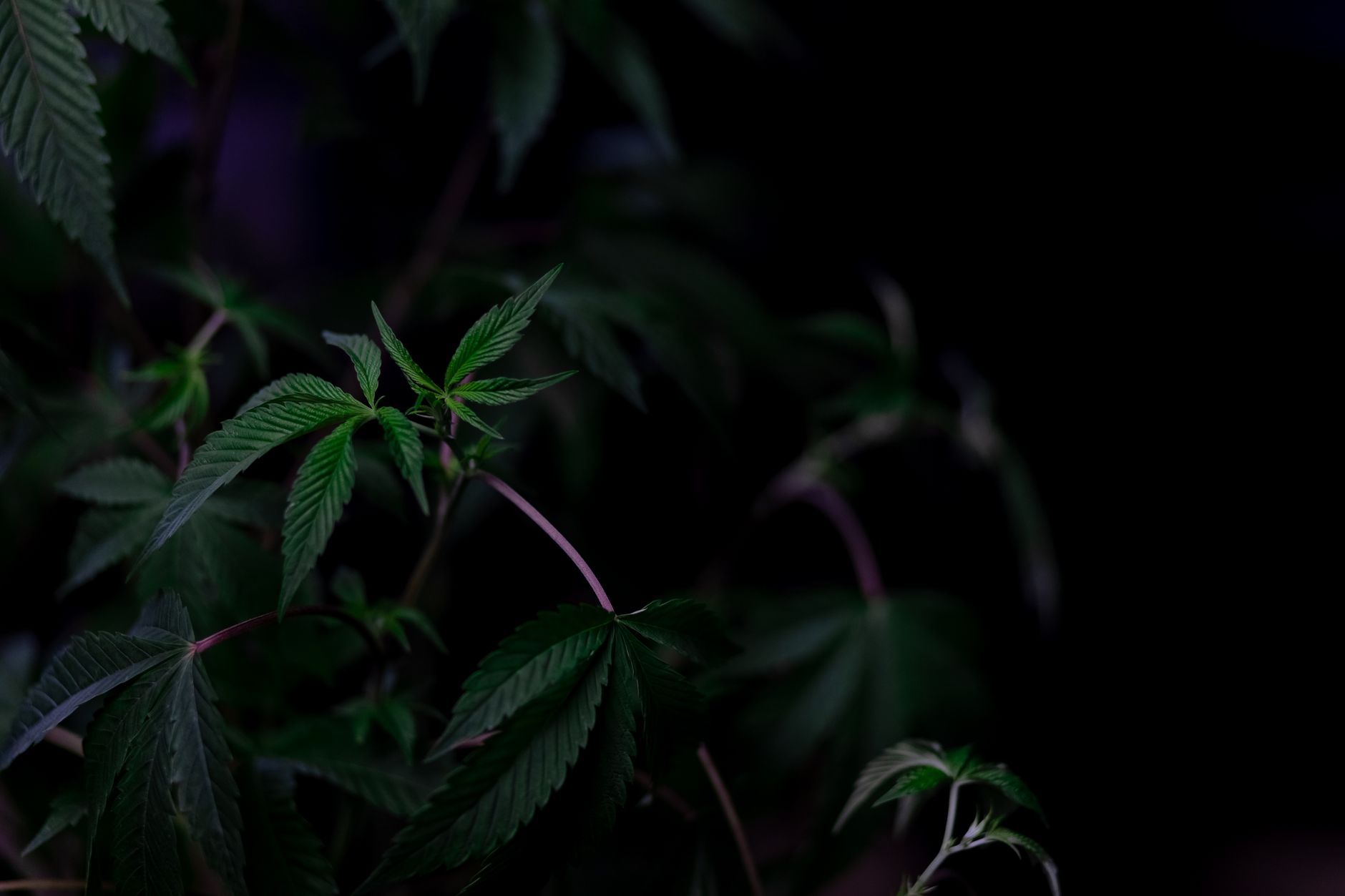
This guide breaks down what sunrock actually is, how it differs from moonrock, the effects you should realistically expect, and the grower notes on the underlying genetics that matter if you're sourcing seeds for potency.
- ✓ Experienced Canadian cannabis consumers (19+)
- ✓ Growers curious about the OG Kush genetics at sunrock's core
- ✓ Anyone comparing sunrock vs moonrock potency
- ✓ Consumers who want to understand concentrate-coated cannabis
- ✓ Seed buyers looking for the high-THC base genetics that underpin it
- ✗ First-time or low-tolerance cannabis users
- ✗ Growers expecting to cultivate sunrock directly from seed
- ✗ Consumers under legal age in their province
- ✗ Anyone seeking mild or CBD-dominant effects
What Is Sunrock Weed?
Sunrock weed is a concentrate-enhanced cannabis product made by taking a premium-quality bud, coating it in cannabis oil or hash oil, and then rolling it in kief until the entire exterior is covered. Think of it as the highest-tier version of the same architecture used in moonrocks.
Where sunrock earns its reputation is in the quality of starting material. Reputable sunrock is built on top-shelf OG Kush buds , not trim, not B-grade flower. The oil used is typically a cleaner, higher-grade extract than what goes into standard moonrocks, and the kief layer is denser and more refined.
According to Health Canada, cannabis concentrates are legally regulated under the Cannabis Act (2018) in Canada, and consumers must be 19+ in most provinces (18+ in Alberta, 21+ in Quebec) to legally purchase cannabis products of any kind. Sunrock-type products are categorized under cannabis extracts and concentrates in the Canadian regulatory framework.
Sunrock vs Moonrock: What's the Actual Difference?
Moonrocks came first. The product concept was popularized in the U.S. market circa 2014, and the basic format is: any cannabis bud + cannabis oil + kief. The quality of each component is left open. That's where moonrocks and sunrocks diverge.
| Feature | Moonrock | Sunrock |
|---|---|---|
| Base flower | Any quality bud | Top-shelf, often OG Kush |
| Oil type | Standard hash oil | Higher-grade oil / concentrate |
| Kief quality | Standard kief | Refined, premium kief |
| Typical THC range | 20, 50% total cannabinoids | 50, 80% total cannabinoids |
| Price tier | Mid-premium | Top-tier |
| Best for | Experienced consumers | High-tolerance, experienced only |
The bottom line: sunrock is the premium evolution of the moonrock concept. Every component is selected for quality, and the resulting potency figures reflect that. Aggregate grower and consumer reports consistently place sunrock 15, 30 percentage points higher in total cannabinoids than comparable moonrock products.
How Is Sunrock Cannabis Made?
Step 1: Select premium base flower
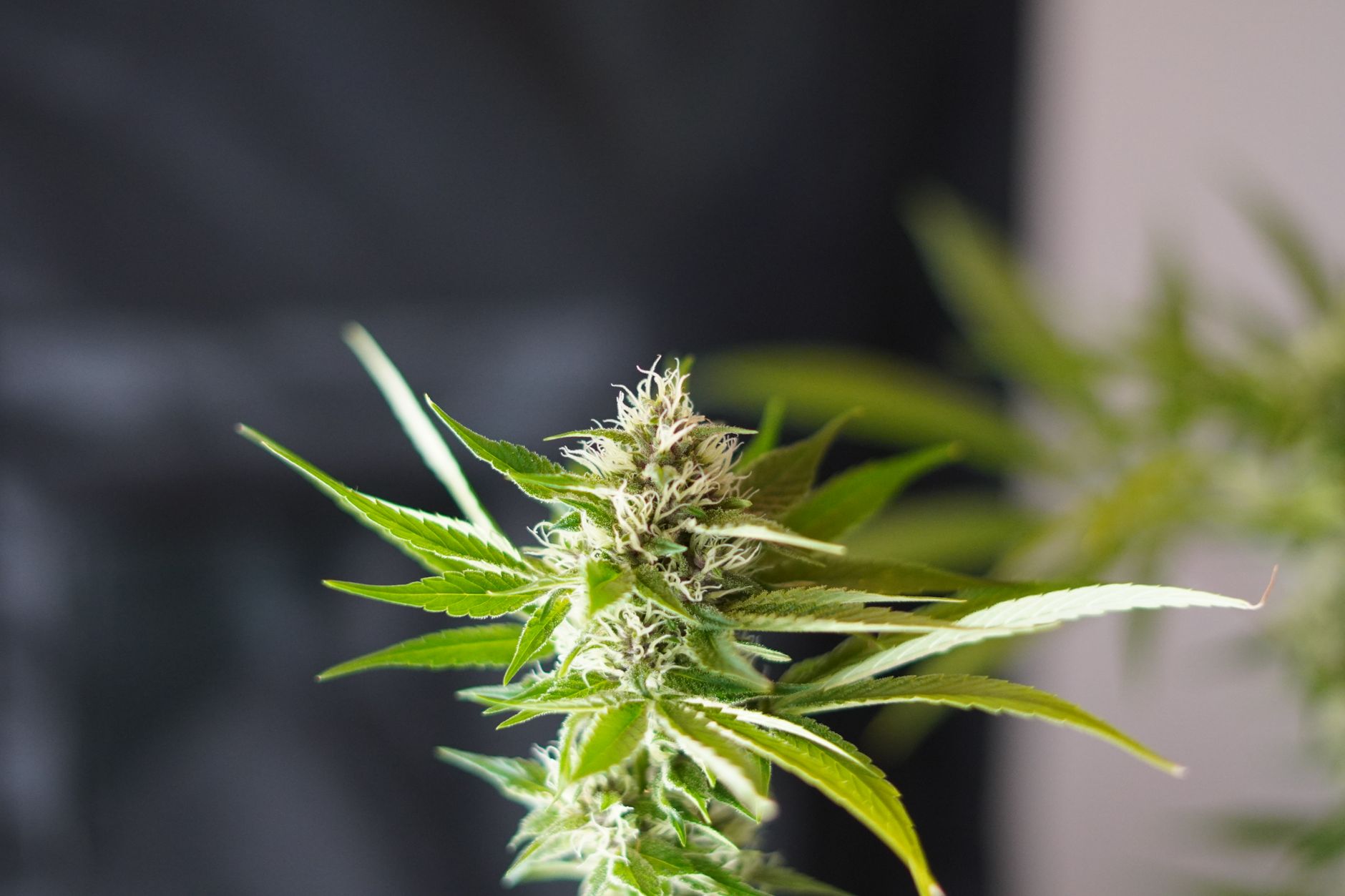
Only top-shelf, well-cured buds make the cut. OG Kush is the industry standard because of its dense trichome coverage, high baseline THC, and sticky surface texture that holds oil and kief well. Buds should be fully dried but not brittle.
Step 2: Apply the oil coat
A high-grade cannabis oil or live resin is applied evenly over the entire bud surface. This is typically done at a slightly warm temperature to ensure the oil flows smoothly without degrading cannabinoids or terpenes. Coverage needs to be complete , thin spots create uneven burning later.
Step 3: Roll thoroughly in kief
The oil-coated bud is immediately rolled in a thick layer of premium kief. The kief must adhere fully before the oil sets. Sunrock producers typically apply a denser kief layer than moonrock producers, which is part of why the exterior appears more uniformly coated and slightly lighter in colour.
Step 4: Allow to cure and set
The finished product is left to cure at controlled humidity (typically 55, 62% RH) until the outer kief layer sets firmly. This prevents crumbling and ensures even burning. Rushing this step is the most common production error in lower-quality moonrock and sunrock products.
What Are Sunrock Cannabis Effects?
Sunrock's effects are driven by its extreme total cannabinoid content , not just THC in isolation. Because OG Kush genetics contribute a meaningful terpene profile (myrcene, limonene, caryophyllene are most commonly documented in OG phenotypes), the experience isn't purely THC-intensity. The terpene-cannabinoid interaction shapes what many consumers describe as a heavy, full-body onset with strong cerebral pressure.
According to published research in the Journal of Cannabis Research, the interaction between terpenes and cannabinoids (sometimes called the entourage effect) influences both the quality and perceived intensity of cannabis experiences , which matters when evaluating a product like sunrock where both the kief and oil layers add concentrated terpene mass alongside cannabinoids.
Commonly reported effects from experienced users in public grower and consumer journals include:
- Rapid onset (often within 5, 10 minutes of first inhalation)
- Heavy full-body relaxation typical of OG Kush lineage
- Intense cerebral euphoria that can tip into overwhelm at high doses
- Duration of 2, 4 hours, significantly longer than standard flower
- Strong appetite stimulation and sedative tail-end effects
- Potential for anxiety, paranoia, or disorientation in low-tolerance users
One puff of sunrock is not equivalent to one puff of flower. Aggregated consumer reports consistently suggest treating a single session with sunrock as equivalent in delivered cannabinoids to several bowls of high-potency flower.
Start with a single, small inhalation. Wait a full 15 minutes before assessing. Sunrock's concentrated oil layer slows the initial burn rate, making it easy to inhale more than intended before the first hit has fully registered.
Formula: 1 hit → 15-minute wait → reassess → proceed. Never skip the wait.
The OG Kush Genetics Behind Sunrock
OG Kush is the near-universal base for premium sunrock because it delivers the combination of traits the process requires: dense, resinous bud structure, high baseline THC (typically 20, 26% in well-grown phenotypes), and a terpene profile that holds up through the oil and kief coating process.
Breeder documentation across multiple North American genetics libraries traces OG Kush lineage to a cross of Chemdawg 91 with a Hindu Kush/Lemon Thai hybrid, developed in Florida in the early 1990s and refined on the West Coast. Its dominance in the premium-concentrate-base market is partly genetic (trichome density, resin production) and partly practical , the compact, dense bud architecture survives the oil-and-kief process without falling apart.
For growers who want to produce the underlying genetics, high THC seeds with OG Kush lineage are the direct starting point. The architecture that makes sunrock possible starts in the seed selection, not the processing step.
Grower Notes: Growing the Genetics That Power Sunrock
You cannot grow sunrock directly from seed. The product is made post-harvest using extracted and refined concentrates. What you can grow is the premium base flower , and growing OG Kush genetics well takes specific conditions.
OG Kush genetics are considered intermediate-to-advanced for cultivation. Looking at patterns across public grower forums and breeder documentation, a few consistent themes emerge:
- Flowering time: Breeder specs consistently cite 8, 9 weeks for OG Kush photoperiod phenotypes indoors.
- Yield: Aggregated grower journals report 400, 500 g/m² under optimised 600+ PPFD LED at 18/6, in 11, 15 L containers. The strain is not a heavy yielder by modern standards.
- Trichome density: OG Kush is prized specifically for trichome coverage. Growers targeting concentrate production typically harvest at or just before peak trichome maturity (mostly cloudy, 10, 20% amber).
- Sensitivity: OG genetics are well-documented for magnesium and calcium sensitivity. Running EC at 1.4, 1.8 mS/cm through flower is the widely reported sweet spot for avoiding deficiencies without burning.
- Environment: Daytime temps of 22, 26°C with relative humidity dropping to 40, 45% RH in late flower are consistently recommended in breeder and grower documentation to support resin density and reduce mold risk.
Feminized cannabis seeds of OG Kush lineage eliminate the male-plant gamble and are standard for growers focused on maximising resinous flower output. Under Canada's Cannabis Act (2018), adults can legally grow up to 4 plants per household for personal use, as outlined by federal legislation.
Looking for high-resin OG-lineage genetics for your next grow?
Browse High THC Seeds in CanadaPatterns From Aggregated OG Kush Grower Reports
Reviewing public grower journals and community grow logs for OG Kush-lineage genetics, a consistent set of problems comes up across first-time and intermediate growers. These aren't rare edge cases , they're the standard failure points.
The most frequently reported issue: growers under-watering during weeks 2, 3 of vegetative growth because OG's compact root structure gives the medium a deceptively dry surface. By the time deficiency signs appear, the plant has already slowed its rate of resin development by several days.
The second most common pattern: growers pushing EC too high in mid-flower (above 2.2 mS/cm) chasing potency, then dealing with tip burn that forces an early flush , often cutting short the final trichome ripening window that produces the resin density that makes OG genetics worth growing for concentrate use.
Common Mistakes With Sunrock and the Genetics Behind It
Mistake 1: Using a grinder on sunrock
A grinder shreds the kief layer off the bud and distributes it unevenly through the ground material. You lose the concentrated exterior in the grinder teeth and the catch tray. Use scissors to break sunrock apart and smoke it in glass.
Mistake 2: Rolling sunrock into a joint alone
Sunrock doesn't burn evenly on its own due to the oil saturation. It needs to be placed over or layered with dry flower or hemp to facilitate even combustion. A straight sunrock joint will canoe, go out repeatedly, or produce harsh, uneven hits.
Mistake 3: Misjudging how fast a single hit lands
Because sunrock burns slowly, the pace of inhalation doesn't match what you'd experience with flower. Many consumer reports of adverse effects (anxiety, rapid heart rate, disorientation) follow from consumers taking two or three hits before the first has fully delivered. The One-Puff Rule above exists for exactly this reason.
Mistake 4: Growing OG genetics in the wrong humidity range
OG Kush's dense bud structure is highly susceptible to botrytis (bud rot) at relative humidity above 50% in the final 3 weeks of flower. Grower journals consistently flag this as the top cultivation failure for this genetic line. Drop RH to 40, 45% in weeks 6, 9 of flower without exception.
Mistake 5: Harvesting too early for concentrate use
The trichome window matters more for concentrate-destined flower than for standard consumption. Early harvest (all-clear trichomes) produces a more cerebral, anxious extract. Waiting for 10, 20% amber trichomes produces the deeper, more sedative oil associated with quality sunrock. Breeder documentation consistently recommends trichome inspection with at minimum a 60x loupe before harvest.
Sunrock Myth vs Reality
"Sunrock is just fancy moonrock with better branding."
"You can grow sunrock seeds."
"Any weed will do as a base , the kief does the work."
The quality of every component is genuinely different, producing 15, 30% higher total cannabinoids than typical moonrock COAs.
Sunrock is a post-harvest processed product. Growers grow the base genetics, not sunrock itself.
The base flower's trichome density, bud architecture, and surface texture directly affect how well oil and kief adhere and burn. Quality genetics are not interchangeable.
Frequently Asked Questions About Sunrock Cannabis
What is sunrock weed?
How strong is sunrock compared to regular weed?
Is sunrock the same as moonrock?
Can you smoke sunrock in a joint?
Can you grow sunrock from seed?
What genetics are used to make sunrock?
Is sunrock legal in Canada?
How do you consume sunrock properly?
Why is my OG Kush plant not producing dense buds?
What terpenes are in sunrock?
Ready to grow the genetics behind premium concentrate production?
Browse our full collection of high-THC feminized seeds selected for resin density and OG-lineage characteristics.
Shop All Cannabis Seeds , CanadaSources
Shop Premium Cannabis Seeds
Browse our curated selection of cannabis seeds, carefully chosen for Canadian growers. Fast shipping, germination guarantee, and discreet packaging across Canada.
Explore more seed categories: