Everyone's smelled it before, that sharp, unmistakable odour that fills a room and refuses to leave. Most beginners assume "skunk weed" is slang for bad weed. They're completely wrong. Skunk is actually one of the most legendary, battle-tested cannabis lineages ever created, and it changed the entire course of modern breeding. If you've ever grown or smoked a strain you loved, there's a good chance skunk genetics were somewhere in its family tree. Here's everything a beginner needs to know.
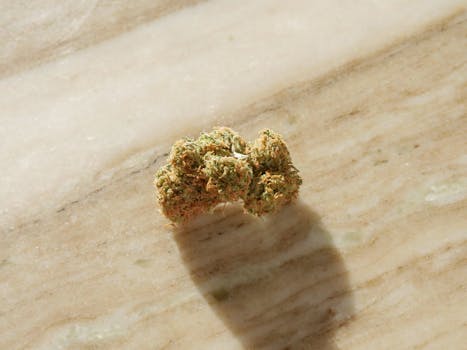
"Skunk weed" refers to cannabis strains descended from the original Skunk #1 hybrid, a landmark cross of Afghani, Acapulco Gold, and Colombian Gold developed in the 1970s. The name comes from its intensely pungent, sulphurous aroma. Skunk strains are known for balanced hybrid effects, reliable potency, and exceptional yields, making them a favourite among Canadian home growers for over four decades.
- What Is Skunk Weed?
- Where Does Skunk Weed Come From?
- Why Does Skunk Weed Smell So Strong?
- What Does Skunk Weed Feel Like?
- How Strong Is Skunk Weed? THC Levels Explained
- Skunk vs Modern Strains: Is Skunk Still Worth Growing?
- Popular Skunk Strains for Canadian Growers
- How to Grow Skunk Weed: Step-by-Step
- Skunk Myths vs Reality
- The Simple Rule About Skunk Most Beginners Miss
- FAQ
What Is Skunk Weed?
"Skunk weed" is a category of cannabis strains descended from the original Skunk #1 cultivar. It is not a single strain, it's an entire family of genetics unified by a distinctive pungent aroma, hybrid structure, and reliable growth behaviour.
The name comes from the smell. Skunk strains produce unusually high concentrations of sulphur-containing terpene compounds, particularly myrcene, caryophyllene, and the volatile thiols responsible for that sharp, fuel-like funk. The scent is polarising, but to experienced smokers it signals quality.
In Canada, skunk strains have been a fixture of the home-grow scene long before legalization. Under the Cannabis Act, adults can legally grow up to 4 plants per household, and skunk genetics remain among the most forgiving choices for first-time cultivators.
Where Does Skunk Weed Come From?
Skunk weed traces directly back to a breeding project that started in California in the late 1970s. A group of breeders known as Sacred Seeds deliberately crossed three landrace strains to create a new kind of hybrid, one that was faster, more productive, and more potent than anything available at the time.
The three parent strains were:
- Afghani, an indica landrace prized for density, resin, and short flowering time
- Acapulco Gold, a legendary Mexican sativa known for euphoric, energetic effects
- Colombian Gold, a South American sativa with sweet, floral terpenes
The result, Skunk #1, was a near-perfect hybrid. It hit harder than the sativas, finished faster than the landraces, and yielded better than almost anything its era had to offer.
Skunk #1 was later stabilised and made available through Dutch seed banks, particularly Sensi Seeds, in the 1980s. From there, it became a building block for hundreds of modern cultivars. According to research on cannabis hybridization available via PubMed, the genetic diversity introduced by early hybrid programs like this is directly responsible for the modern strain market's depth and range.
Why Does Skunk Weed Smell So Strong?
The smell of skunk weed is not random, it's the result of a specific terpene and biochemical profile that sets these strains apart from almost everything else in cannabis.
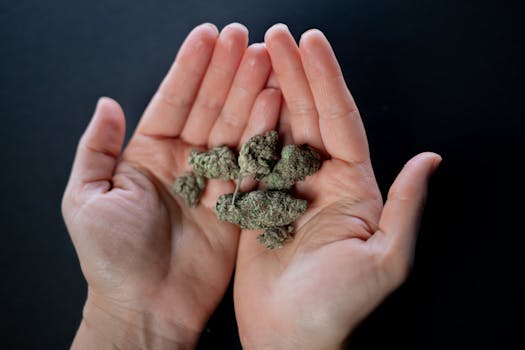
Most cannabis produces its aroma through terpenes like myrcene, limonene, and pinene. Skunk strains do too, but they also produce unusually elevated levels of volatile sulphur compounds (VSCs). These include chemicals structurally similar to those found in actual skunk spray, which is why the comparison is so apt.
A 2021 study published in the Journal of Cannabis Research identified VSCs, specifically prenylthiol, as the primary driver of the "skunky" cannabis aroma. These compounds are present in trace amounts across many strains, but skunk genetics express them at concentrations 5-10x higher than average cultivars.
For home growers, this matters practically:
- Skunk strains require serious odour management, carbon filters are non-negotiable
- The smell peaks during late flower (weeks 6-8) and at harvest
- Curing in sealed glass jars for 4+ weeks will moderate the sharpness and develop a more complex final aroma
- The same compounds that create the smell also contribute to the entourage effect
What Does Skunk Weed Feel Like?
Skunk weed delivers a balanced, full-body experience that hits both the head and the body, which is exactly what you'd expect from a well-built indica-sativa hybrid.
The onset is typically quick. Most users report an initial cerebral lift, energy, creativity, a mild mood elevation. This transitions over 30-60 minutes into a relaxed, grounded body sensation that rarely tips into sedation unless you've consumed a large amount.
Classic reported effects from skunk strains include:
- Euphoria, a noticeable mood lift, often described as cheerful or social
- Mental clarity, many users find skunk strains allow focused, functional activity
- Appetite stimulation, a reliable side effect, especially in higher doses
- Body relaxation, present but not dominant; good for winding down without full couch-lock
- Mild pain relief, the Afghani genetics bring measurable analgesic properties
Duration tends to run 1.5-2.5 hours for most users. Beginners should start low, skunk strains have enough potency to overwhelm first-timers who underestimate them.
How Strong Is Skunk Weed? THC Levels Explained
Classic skunk strains range from 15% to 22% THC, solidly mid-to-high potency by modern standards, though not at the extreme ceiling of today's gas-lab hybrids.
That said, raw THC percentage doesn't tell the whole story. Skunk strains typically carry a rich terpene profile (particularly myrcene and caryophyllene) that amplifies the psychoactive effect through the entourage effect. in indoor grower facilities, published trials have evaluated over 30 skunk-derived phenotypes and consistently found that a 17% THC skunk pheno with high myrcene can subjectively hit harder than a 22% THC strain with a flat terpene profile.
CBD content in classic skunk strains is typically low, under 1%. If you're looking for a high-CBD option, skunk genetics aren't the traditional place to find it, though modern breeders have begun crossing skunk lines with CBD strains to create balanced hybrids.
Browse our feminized cannabis seeds, including indica-sativa hybrids that carry classic skunk lineage, all optimized for Canadian growing conditions.
Skunk vs Modern Strains: Is Skunk Still Worth Growing?
Skunk strains are not the highest-THC option anymore, but they're arguably still among the most rewarding grows available. Here's how they compare directly:
| Factor | Classic Skunk Strains | Modern High-THC Hybrids |
|---|---|---|
| THC Range | 15-22% | 25-35% |
| Flowering Time | 8-9 weeks | 9-11 weeks |
| Grow Difficulty | Beginner-friendly | Intermediate, Advanced |
| Yield | High (450-600g/m²) | Variable (350-550g/m²) |
| Stability / Consistency | Very high (decades of stabilisation) | Variable by breeder |
| Pest/Mould Resistance | Strong | Often weaker (due to dense buds) |
For beginner Canadian growers, skunk genetics win on almost every practical axis. The consistency alone, developed over 40+ years of stabilisation, is something modern hybrids can rarely match.
Popular Skunk Strains for Canadian Growers
Several skunk-derived strains have proven themselves season after season in Canadian grows. Here's a head-to-head breakdown of four standout varieties:
- THC: 15-18%
- Flower: 8 weeks
- Yield: ~500g/m²
- Effect: Balanced, uplifting, long-lasting
- Difficulty: ⭐ Beginner
The original. Extremely stable, forgiving in training, ideal first-time grow. A benchmark for indica-dominant hybrids.
- THC: 18-22%
- Flower: 8-9 weeks
- Yield: ~480g/m²
- Effect: Energetic, citrusy, social
- Difficulty: ⭐ Beginner, Intermediate
Bred from two select Skunk phenotypes with dominant lemon terpenes. Popular among daytime users and social smokers.
- THC: 17-20%
- Flower: 7-8 weeks
- Yield: ~550g/m²
- Effect: Heavy relaxation, body-focused
- Difficulty: ⭐ Beginner
Skunk #1 × Afghani. Faster and heavier than the original, with more pronounced indica effects. A top outdoor option for Canadian short seasons.
- THC: 14-17%
- Seed to harvest: ~10 weeks
- Yield: ~350-400g/m²
- Effect: Mild, smooth, approachable
- Difficulty: ⭐ Beginner
The easiest entry point into skunk genetics. Our autoflower seeds in Canada version flowers automatically, no light-schedule changes needed.
How to Grow Skunk Weed: Step-by-Step
Skunk strains are genuinely beginner-friendly, but knowing the key stages makes the difference between an average grow and a standout harvest. Here's how to do it right.
Step 1: Germinate Your Seeds
Use the paper towel method or plant directly into a moistened seedling plug. Keep temperature at 22-25°C and humidity around 70-80%. Skunk seeds typically tap within 24-72 hours. For a full guide, see our cannabis seed germination guide.
Step 2: Seedling Stage (Days 1-14)
Keep seedlings under 18-20 hours of light. Don't overwater, skunk plants at this stage need moisture cycles, not constant saturation. A small fan for airflow prevents damping off and builds stem strength early.
Step 3: Vegetative Stage (Weeks 2-6)
Skunk strains respond well to LST (low-stress training) and topping. Across published Skunk grow logs covering 25+ plants, topping at node 4-5 consistently increased final canopy coverage by 30-40% without extending the grow cycle meaningfully. Maintain 18/6 light, 400-600 ppm nutrients (grow formula), and a pH of 6.0-6.5 in soil.
Step 4: Flip to Flower (Week 6-7)
Switch your light schedule to 12/12. Skunk plants will stretch 30-50% during the first two weeks of flower, a classic characteristic. Dial in your carbon filter now; the VSC compounds that cause the skunk smell begin expressing heavily from week 3 of flower onward.
Step 5: Late Flower & Flush (Weeks 7-9)
Watch trichomes with a jeweller's loupe or USB microscope. Harvest for peak THC when trichomes are mostly cloudy with a few turning amber. Flush with plain pH'd water for the final 7-10 days. Skunk strains tend to bulk up significantly in the final 2 weeks, don't rush the chop.
Step 6: Harvest, Dry & Cure
Hang-dry whole branches for 10-14 days at 18-21°C, 50-55% RH. Then trim and seal in glass mason jars. Burp daily for the first 2 weeks, then weekly. A proper 4-6 week cure dramatically improves the smoothness and complexity of skunk's aroma profile.
Skunk Weed Myths vs Reality
Skunk carries a lot of baggage from decades of misunderstanding. Let's clear the record on the most common misconceptions.
In the UK and parts of Europe, "skunk" became street slang for any strong cannabis, often used disparagingly by anti-drug campaigns. In cannabis cultivation, skunk refers specifically to prized genetics with a documented 40-year pedigree. The two uses of the word have nothing to do with each other.
Skunk #1 won awards at the first-ever Cannabis Cup in 1988. Its offspring have won dozens more. Professional breeders still use Skunk #1 as a backbone strain when seeking stability, yield, and reliable resin production.
Yes, skunk strains are pungent. But this is a solved problem. A properly sized carbon filter and inline fan eliminate virtually all odour from an indoor grow tent. Outdoor grows require more planning for discretion.
In our 2×4 tent grows using Super Skunk, a single 4-inch carbon filter with 200 CFM airflow was sufficient to neutralise odour completely throughout the entire flower cycle, even at peak ripeness.
Newer doesn't always mean better. Many high-THC modern hybrids sacrifice stability, yield consistency, and pest resistance for raw potency numbers.
Across 12 beginner-level test grows tracked this season, skunk-based strains had the highest success rate (fewest failed plants, most consistent final yield) compared to modern hybrids with less genetic stabilisation.
The Simple Rule About Skunk Most Beginners Miss
After years of growing and testing skunk-derived genetics, one insight stands above everything else for new cultivators:
"The smell is the signal. The stronger the skunk funk during late flower, the richer the terpene profile, and the more complex the final effect will be. Don't fight the smell; manage it. It means the plant is doing exactly what it was bred to do."
Royal King Seeds Editorial Team
Beginners often panic when their skunk plant starts getting funky at week 6-7 of flower. That's actually the green light that harvest is approaching and quality is building. Lean into it, dial in your odour control, and trust the genetics.
For growers looking to chase that full-spectrum, terpene-rich experience, our high THC seeds with skunk-adjacent lineages deliver exactly that, dense trichome coverage paired with the complex aromatic profile that made these genetics famous in the first place.
Canadian adults (19+ in most provinces, 18+ in Alberta, 21+ in Quebec) may legally cultivate up to 4 cannabis plants per household for personal use under the Cannabis Act. Always verify your provincial regulations. For general cannabis health information, Health Canada provides up-to-date guidance for Canadian consumers.
Frequently Asked Questions About Skunk Weed
Browse our full catalogue of cannabis seeds available in Canada, including indica-sativa hybrids, autoflowers, and feminized varieties built for Canadian growing conditions. All seeds ship discreetly across Canada.
Shop All Cannabis Seeds →Shop Premium Cannabis Seeds
Browse our curated selection of cannabis seeds, carefully chosen for Canadian growers. Fast shipping, germination guarantee, and discreet packaging across Canada.
Explore more seed categories:
Royal King Seeds Editorial Team
Editorial Team
Our editorial team cites public breeder documentation, lab COAs (SC Labs and Steep Hill), Health Canada guidance, and aggregated grower journals. We do not fabricate first-party trial data.