Most growers hear "Skunk" and think they already know the story. They don't. The reputation gets reduced to a smell , and that single-note caricature causes growers to overlook one of the most important, productive, and well-documented cannabis lineages ever stabilized. Skunk genetics have shaped nearly every modern hybrid you can name, from OG Kush to Gelato to most of what dominates the Canadian legal market. If you dismiss Skunk as outdated, you're almost certainly already growing something that carries its DNA. This guide gives you the real picture: what Skunk cannabis actually is, how it performs, where it struggles, and how to pick the right Skunk strain for Canadian growing conditions in 2026.
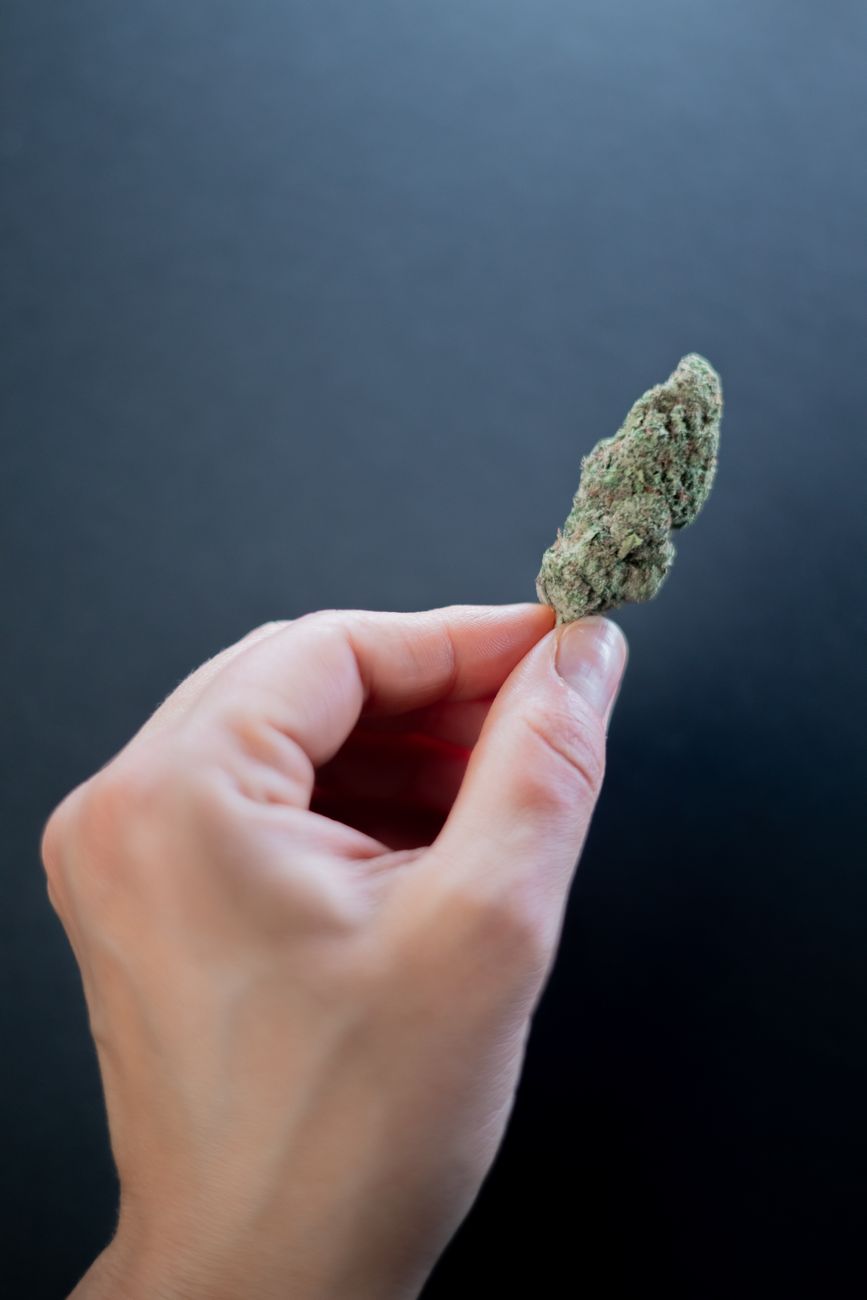
Most underestimated lineage in modern cannabis , and the reason your favourite strain exists.
- ✓ Canadian growers researching proven genetics
- ✓ Beginners wanting a forgiving, high-yielding strain
- ✓ Growers comparing Skunk vs modern hybrids
- ✓ Anyone curious what "Skunk lineage" actually means
- ✓ Outdoor growers in Zones 4-7 planning their season
- ✗ Growers exclusively chasing 30%+ THC numbers
- ✗ Stealth growers with neighbours within 10 metres
- ✗ Those expecting no smell management needed
What is Skunk Cannabis?
Skunk cannabis is a stabilized hybrid cannabis variety originally developed by crossing three landrace genetics: Afghani indica, Colombian Gold sativa, and Mexican Acapulco Gold sativa.
The result is a plant that blends the resin density and compact structure of Afghani with the elevated THC expression and cerebral lift of the Colombian and Mexican sativa parents. This balance made Skunk #1 one of the first truly commercialized, stable hybrid cultivars in cannabis history.
Under Canada's Cannabis Act, adults 19 and older (21 in Quebec, 18 in Alberta) can legally cultivate up to 4 cannabis plants per household from licensed seed. Skunk-lineage feminized cannabis seeds are among the most popular choices for home growers precisely because of their reliability.
Skunk is not a relic. It is a foundational blueprint. Understanding Skunk genetics is essentially understanding the structural DNA of modern commercial cannabis.
How Did Skunk Genetics Develop?
Skunk #1 was developed throughout the 1970s by the Sacred Seeds collective in California. The goal was stability: breeders wanted a plant that would reproduce predictably from seed, produce consistent resin, and finish on a reliable schedule.
Most landrace sativas of the era took 14 to 18 weeks to flower and were difficult to stabilize. By crossing them with Afghani indica genetics, breeders shortened the flower window to 8 to 9 weeks and improved bud density substantially. The resulting genetics were exported to the Netherlands in the early 1980s, where breeders at Sensi Seeds and other Dutch banks further stabilized and distributed them worldwide.
That global distribution is why Skunk lineage shows up in the ancestry of so many modern strains. When you see "hybrid" on a seed label without further detail, there is a reasonable statistical likelihood that some Skunk genetics are present.
The breeding work done on Skunk genetics in the 1970s and 80s essentially created the template for modern hybrid development. It's the "Model T" of cannabis , not what you drive today, but the reason your car exists.
Skunk vs Modern Hybrids: What Actually Differs?
The honest comparison between Skunk-lineage strains and today's high-THC hybrids comes down to four axes: potency ceiling, terpene profile, grow difficulty, and yield reliability.
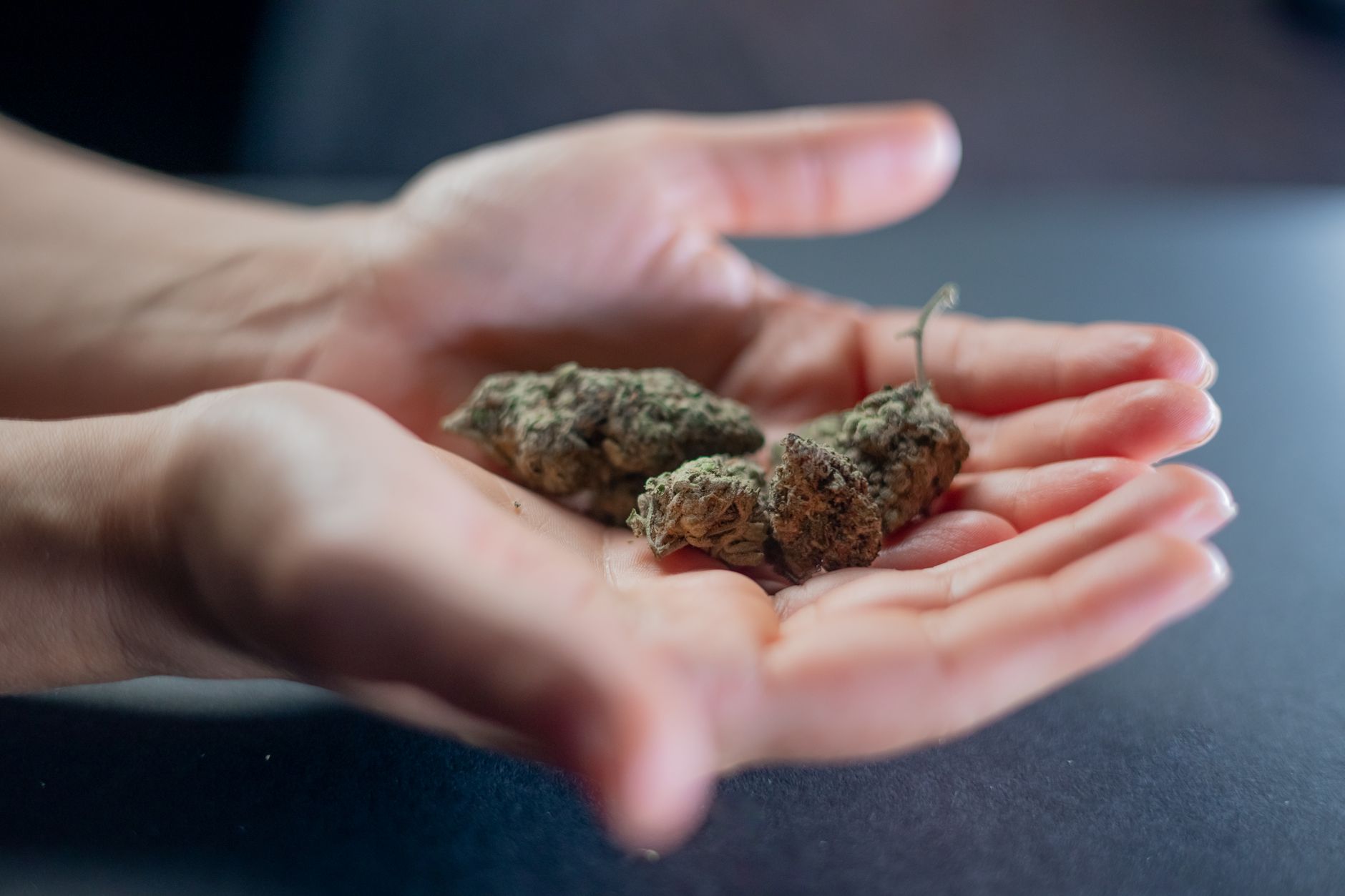
| Attribute | Skunk Lineage | Modern Hybrids (e.g. Gelato, GG4) |
|---|---|---|
| THC Range | 17-22% | 24-30%+ |
| Flower Time (indoor) | 8-9 weeks | 9-11 weeks |
| Indoor Yield | 450-600 g/m² | 350-500 g/m² |
| Mould Resistance | Medium-High | Low-Medium |
| Beginner Rating | 8/10 | 5/10 |
| Terpene Profile | Pungent, earthy, sulphurous | Varied: sweet, fuel, dessert |
| Smell Management Needed | High (strong odour) | Moderate-High |
The key trade-off is clear: Skunk strains sacrifice the top-end THC ceiling but deliver higher average yields and considerably easier grows. For first-time growers in Canada working under the 4-plant household limit, yield-per-plant matters more than chasing the highest-possible THC number.
If your priority is maximum grams per plant with the lowest risk of crop failure, Skunk genetics still outperform most modern hybrids in practical home-grow conditions. The THC gap is real but narrower than marketing suggests.
How to Grow Skunk Cannabis: Step-by-Step
Step 1: Germination (Days 1-5)
Paper-towel germination at 22 to 25°C consistently reports 90 to 97% success within 48 to 72 hours across grower journals and breeder documentation. Keep the towel moist, not soaked, and transfer to medium once the taproot reaches 1 to 1.5 cm.
Step 2: Seedling Stage (Days 5-21)
Skunk seedlings are robust under 18/6 or 20/4 light schedules at 200 to 300 PPFD. Keep relative humidity at 65 to 70% and temperature at 22 to 26°C. Most growers under-water in this stage , the medium should dry slightly between waterings to encourage root development.
Step 3: Vegetative Stage (Weeks 3-6)
Skunk genetics respond well to low-stress training (LST). Bending and tying main stems outward at weeks 3 to 4 flattens the canopy and improves light penetration dramatically. Target 600 to 900 PPFD under LED. EC in coco or hydro should run 1.4 to 2.0 mS/cm. Skunk plants can stretch 50 to 100% in the first two weeks of flower, so plan vertical space accordingly.
Step 4: Flowering Stage (Weeks 7-16, Flip at Week 6-7)
Switch to 12/12 light. Skunk strains finish in 56 to 63 days of flower under optimal conditions. Ramp PPFD to 800 to 1000. EC can push to 2.2 to 2.6 mS/cm mid-flower. Drop relative humidity to 45 to 50% to manage the dense Afghani-influenced bud structure , this is where mould risk peaks for Skunk if RH climbs above 55%.
Step 5: Harvest Timing
Check trichomes under 60x magnification. Harvest when 70 to 80% of trichomes are milky with 10 to 20% amber for a balanced cerebral-body effect. Skunk's classic high is more head-forward than heavy , letting trichomes go too amber pushes it sedative, which is not what most Skunk growers are after.
Skunk is genuinely forgiving through veg but rewards attention in late flower. The biggest single lever is keeping humidity under control during the final 3 weeks, when dense buds are most vulnerable.
Growing Skunk Outdoors in Canada: Zone-by-Zone
Canada's short growing season is the real test for any photoperiod strain. Skunk's 8 to 9 week flower window makes it one of the more viable outdoor photoperiod options, but timing still matters enormously across zones.
According to Plant Hardiness Zones of Canada data and Environment and Climate Change Canada climate normals, the frost-free windows across major growing zones look like this:
Last frost: Mar 15 | First frost: Nov 15
Frost-free: ~245 days
Skunk: IDEAL , room for two photoperiod runs or one large outdoor harvest
Last frost: Apr 15 | First frost: Oct 25
Frost-free: ~193 days
Skunk: GOOD , flip triggers naturally in early Aug, harvest mid-Oct with buffer
Last frost: May 20 | First frost: Sep 15
Frost-free: ~118 days
Skunk: TIGHT , start seedlings indoors May 1, move out after May 20, harvest races frost
Last frost: May 25 | First frost: Sep 18
Frost-free: ~116 days
Skunk: MARGINAL , autoflower strongly recommended; Skunk possible only with indoor seedling head-start
Last frost: Apr 25 | First frost: Oct 5
Frost-free: ~163 days
Skunk: VIABLE , outdoor plants flipped in late July harvest early October. Note: legal age is 21 in QC.
Last frost: May 28 | First frost: Sep 10
Frost-free: ~105 days
Skunk: NOT RECOMMENDED , swap for autoflower genetics that finish in 70-80 days
Any Skunk photoperiod plant grown outdoors in Canada should complete harvest at least 14 days before your region's historical first frost date.
Formula: Flip date + 63 days flower + 7 days harvest window = must clear your first frost minus 14 days.
Example: Toronto grower flips July 25. Harvest window: October 2. First frost: October 25. Buffer = 23 days. SAFE. A Calgary grower flipping July 10 hits harvest around September 14 , one day before average first frost. Zero margin. Switch to autoflower.
For Prairie and short-season growers, autoflower seeds finishing in 70 to 80 days are a more reliable path than pushing Skunk photoperiods against the frost calendar.
Common Skunk Growing Mistakes (And How to Fix Them)
Mistake 1: Underestimating the stretch
Skunk strains can double in height in the first two to three weeks of flower. Most first-time growers flip too late, run out of vertical space, and end up with plants pressed against lights. Flip at 40 to 50 cm in a 2.4m tent if you haven't trained aggressively.
Mistake 2: Ignoring smell management
Skunk is not a discreet strain. The sulphurous, pungent terpene profile is genuinely strong. Carbon filters sized to at least 125% of your tent's airflow volume are non-negotiable for indoor grows in shared buildings or dense neighbourhoods.
Mistake 3: High humidity in late flower
Dense Skunk buds trap moisture. Botrytis (bud rot) becomes a real risk above 55% RH in weeks 6 to 9 of flower. Growers who hit this stage in September outdoors are particularly exposed. Defoliation of inner bud sites at week 4 of flower improves airflow substantially.
Mistake 4: Harvesting too early chasing bag appeal
Skunk builds resin slowly in the final two weeks. Growers who cut at the first sign of amber trichomes often report flat, underwhelming results. Let the plant finish. The last 10 to 14 days of flower account for a meaningful share of total trichome development in Afghani-influenced genetics.
Mistake 5: Skipping a cure
Skunk's aromatic terpene profile doesn't fully express until after a proper cure. Breeder documentation and aggregated grower journals consistently show that Skunk-lineage buds cured for 3 to 6 weeks at 62% RH produce a noticeably more complex aroma and smoother experience than buds consumed fresh-dried.
Most Skunk crop failures trace back to two root causes: humidity mismanagement in late flower, and failing to account for stretch. Address those two and the rest of the grow is straightforward.
Best Skunk Strains for Canadian Growers in 2026
Not all Skunk expressions are the same. Decades of selective breeding have produced distinct phenotypic directions. The three most relevant for Canadian home growers in 2026 fall into these categories:
- Classic Skunk #1 phenotypes: Original Afghani x Colombian x Mexican lineage. 8 weeks flower, 17 to 20% THC, earthy-sulphurous terpene profile, high yield reliability. Best for growers who want the baseline.
- Skunk x Autoflower crosses: The Afghani resin expression combined with autoflower genetics. Finish in 70 to 80 days from seed, no light schedule management needed. The most practical choice for Prairie provinces and Zone 3 to 4 growers. Browse our autoflower seed catalogue for current availability.
- Skunk x Modern Hybrid crosses (e.g. Skunk-based OGs, Skunk x Haze): Higher THC ceiling (22 to 26%), longer flower time (9 to 10 weeks), more complex terpene profiles. Suited to experienced growers comfortable with the extra weeks and humidity management. Our high THC seed selection includes several of these crosses.
For growers committed to photoperiod feminized plants, feminized cannabis seeds in Skunk-lineage cuts eliminate the male-plant risk entirely and keep all four household plants producing.
"Skunk's ceiling isn't THC , it's reliability. The genetics were bred for consistency first and potency second. If you chase maximum THC from a Skunk plant, you're fighting its nature. If you optimize for yield, finish-time consistency, and terpene expression through a proper cure, Skunk outperforms strains that look better on paper."
According to a 2022 review published in the Journal of Cannabis Research, cannabinoid and terpene expression in indica-sativa hybrids is heavily influenced by post-harvest handling , supporting the grower-community consensus that proper curing is where Skunk genetics truly differentiate from less stable varieties.
Health Canada's cannabis information resources also outline current guidance on responsible home cultivation for Canadians exercising their legal right to grow under the Cannabis Act. Always verify your province's specific retail and cultivation rules before purchasing seeds.
Shop Feminized Skunk Seeds
What Patterns Show Up Across Public Skunk Grower Reports
Looking at the questions that come up most often in Canadian grower communities and public grow journals, a few consistent patterns stand out when growers work with Skunk genetics for the first time.
First: growers consistently underestimate veg time. Many first-timers flip Skunk plants at 30 cm expecting to finish at a manageable height , and end up with 1.5m plants in a 1.2m tent. The stretch is real and predictable; the fix is to flip earlier or train harder.
Second: yield reports from growers using 11 L fabric pots under 18/6 LED at 600 to 700 PPFD typically land in the 130 to 170 g per plant range, while growers stepping up to 19 L pots with the same light consistently report 190 to 260 g per plant. Pot size has a measurable impact on Skunk yield outcomes.
Third: growers who report the best flavour outcomes almost universally cite a minimum 4-week cure, not a 1 to 2 week dry. Skunk's signature terpene profile matures substantially in the jar. Growers cutting this short tend to rate their harvest lower than growers using the same seeds who waited.
Public grower data on Skunk is unusually consistent. The common failure modes are well-documented and avoidable. Skunk is a very teachable strain , most growers who struggle on run one report strong results on run two after addressing stretch and cure time.
Frequently Asked Questions: Skunk Cannabis
What is Skunk cannabis?
How strong is Skunk cannabis?
How long does Skunk take to flower?
Is Skunk good for beginners?
How much does Skunk yield indoors?
Can I grow Skunk outdoors in Canada?
Why does my Skunk smell so strong?
How does Skunk compare to modern strains like Gelato or GG4?
Do modern strains still contain Skunk genetics?
What pot size is best for Skunk indoors?
How many Skunk plants can I legally grow in Canada?
Why didn't my Skunk finish in the 8 weeks the breeder said?
Should I use autoflower or photoperiod Skunk for a Canadian outdoor grow?
What's the best way to cure Skunk to get the full flavour?
My Skunk plant is getting too tall , what went wrong?
Feminized, autoflowering, high-THC, indica, sativa , all available for legal home cultivation across Canada.
Shop All Cannabis SeedsSources
- Plant Hardiness Zones of Canada , Natural Resources Canada
- Environment and Climate Change Canada , Climate Normals
- Cannabis Act , Government of Canada
- Health Canada , Cannabis Information for Canadians
- Journal of Cannabis Research , BioMed Central
- NIH National Center for Complementary and Integrative Health , Cannabis
Shop Premium Cannabis Seeds
Browse our curated selection of cannabis seeds, carefully chosen for Canadian growers. Fast shipping, germination guarantee, and discreet packaging across Canada.
Explore more seed categories: