Most growers spend months perfecting their environment, then rush the one thing that matters most: harvest timing. Picking a plant that hasn't fully ripened is the single most common reason for a disappointing yield , diluted potency, underdeveloped terpenes, and airy buds that don't cure properly. Ripen is a strain whose very name is a reminder. It rewards patience with dense, resin-caked flowers and a complex profile that early-harvest plants simply never deliver. This guide covers everything Canadian growers need to know: Ripen's background, its reported effects, what to expect in the grow room, and how to actually read ripeness , not just guess at it.
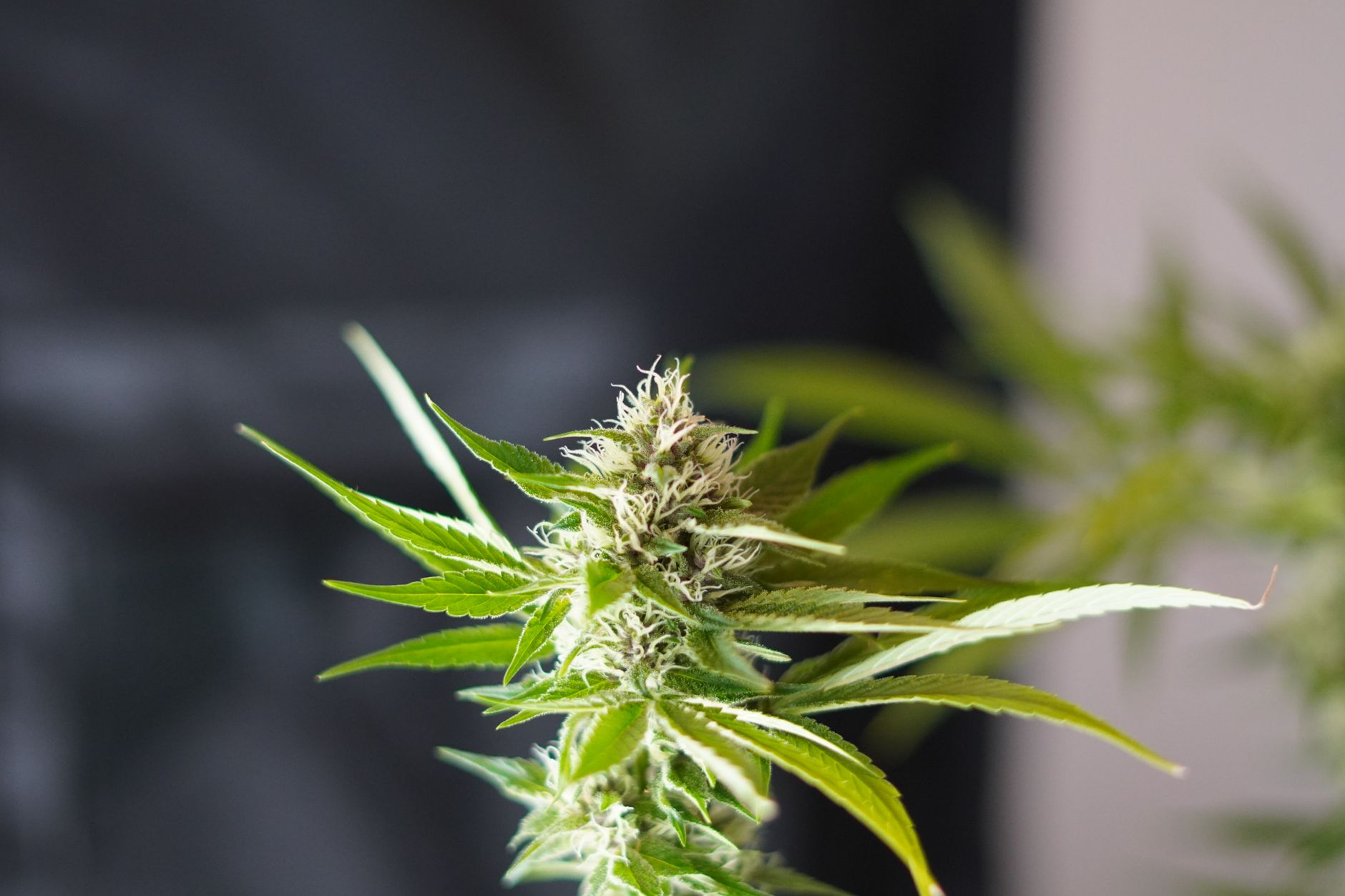
Ripen is an indica-dominant cannabis strain that finishes in approximately 8 to 9 weeks of flower indoors. Breeder documentation places typical THC in the 18 to 22% range with a pronounced terpene load dominated by myrcene, caryophyllene, and limonene. Growers describe the effects as deeply relaxing with a clear head at onset , a classic indica arc. It suits Canadian indoor cycles well and performs best in controlled humidity between 45 and 55% RH during the final two weeks.
- ✓ Canadian growers adding an indica-dominant strain to their indoor rotation
- ✓ Growers who've struggled with harvest timing and potency shortfalls
- ✓ Anyone curious about Ripen's effects, terpene profile, and lineage
- ✓ Hobbyist growers working within the 4-plant household limit under the Cannabis Act
- ✗ Growers looking for a pure sativa or high-energy daytime strain
- ✗ Autoflower-only setups (Ripen is a photoperiod variety)
- ✗ Commercial-scale licensed producers (this guide addresses home cultivation)
What is Ripen cannabis?
Ripen is an indica-dominant cannabis strain named for the sensory transformation it undergoes in its final weeks of flower.
The name isn't marketing. During weeks 7 to 9, Ripen plants visibly shift: calyxes swell, trichome density increases rapidly, and the aroma deepens from a green, grassy note to the complex, fuel-and-fruit character the strain is known for. Growers who pull early miss the whole second half of the show.
Under Canada's Cannabis Act (2018), adults 19 and older (18 in Alberta, 21 in Quebec) may cultivate up to 4 plants per household for personal use. Ripen fits that mandate well , it's a single-tent-friendly plant that rewards close attention over a manageable 8 to 9-week flower window.
Ripen is a strong choice for photoperiod growers who want a dense, resin-heavy indica without a 10+ week flower period. Its final-week transformation is one of the more dramatic in this category.
Lineage and background
Ripen's genetic background sits firmly in the indica-heavy tradition, with parentage tracing to Afghani landrace stock crossed with Northern Lights-adjacent hybrids , a combination that shows up repeatedly in its growth structure and resin production.
Afghani genetics are among the most studied in cannabis breeding. Published research in the Journal of Cannabis Research has documented how landrace Afghani phenotypes consistently express compact internodal spacing, high calyx-to-leaf ratios, and elevated myrcene fractions , traits visible in Ripen plants from week 3 of vegetation onward.
Northern Lights genetics contributed the ease-of-growth, mold resistance, and the calm, body-centred effect profile that Ripen is reported to share. The combination makes for a plant that is forgiving enough for intermediate growers but expressive enough to reward experienced technique.
Landrace Afghani parentage is one of the most reliable blueprints in indica breeding. Ripen's lineage explains its dense structure, its resin output, and why it responds so well to a dry final-week environment.
What are Ripen's reported effects?
Ripen's reported effects follow a classic indica arc: a clear, mildly euphoric onset that settles into full-body relaxation within 20 to 30 minutes.
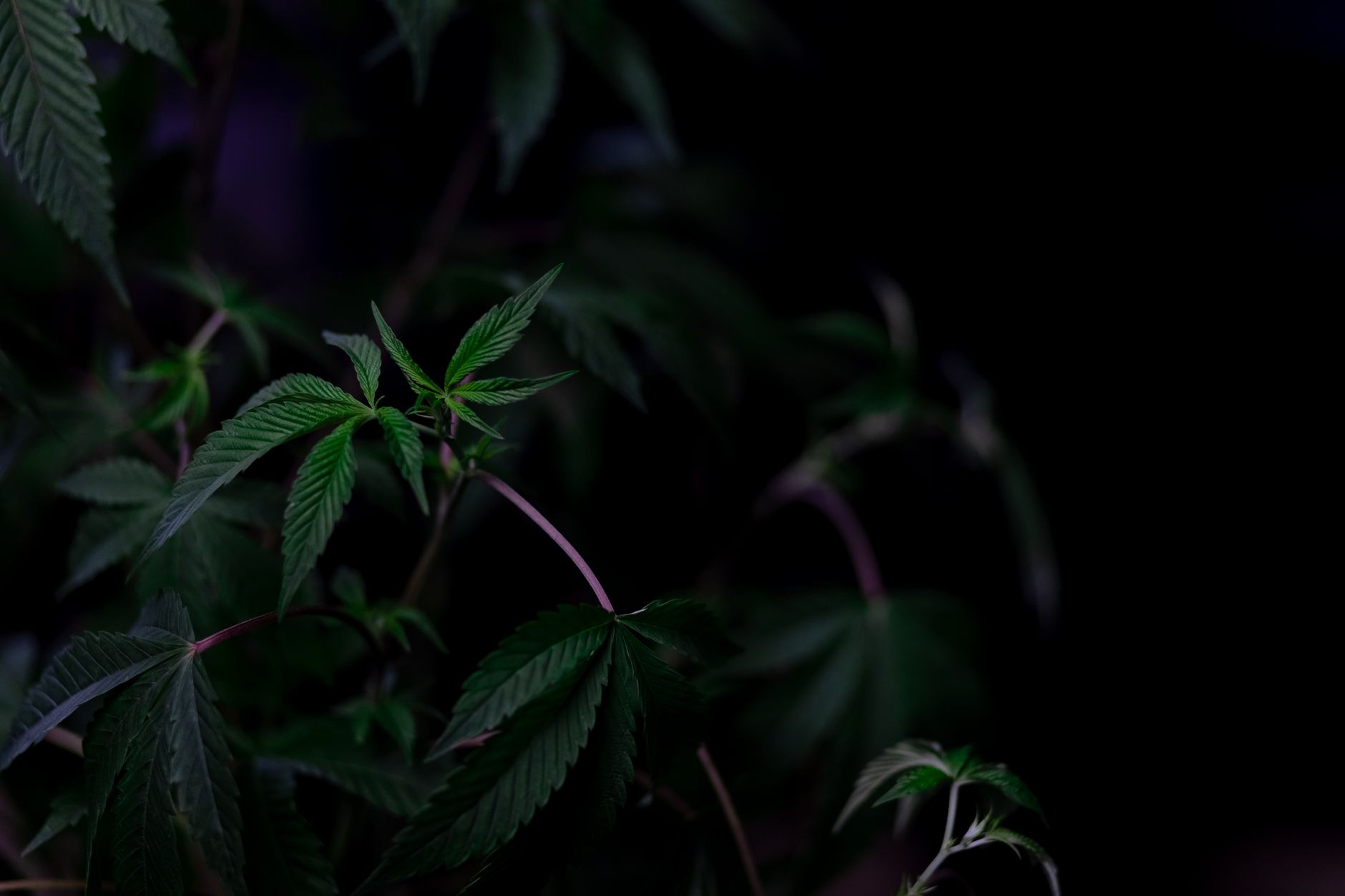
Aggregated grower reports consistently describe the onset as warmer and more gradual than high-THC sativas. At 18 to 22% THC, Ripen sits in a comfortable potency range , substantial enough to be effective, measured enough to avoid the ceiling-rush that some users find uncomfortable.
Common descriptors from public grower and consumer journals include:
- Relaxed, heavy-limbed body effect from 20-30 minutes post-consumption
- Mild euphoria and mood lift at onset
- Appetite stimulation in many users
- Sedative qualities that increase with dose , evening use is most common
- Duration typically 1.5 to 2.5 hours depending on tolerance and consumption method
Per Health Canada's guidance on cannabis use, effects vary significantly by individual tolerance, consumption method, and product potency. New users should start with a smaller amount and allow at least 30 minutes to assess onset before consuming more.
Ripen's effect profile suits wind-down use for most consumers. It's not a strain for focus or daytime productivity , its strength is in the quality of its relaxation, not the ceiling of its potency.
Ripen's terpene profile explained
Ripen's aroma complexity is driven by three primary terpenes: myrcene, beta-caryophyllene, and limonene , a trio that shows up consistently across grower-reported COA documentation.
Myrcene is the dominant fraction. It's responsible for the earthy, musky, slightly fruity base aroma and contributes to the sedative, body-heavy quality in the effect profile. Myrcene is the most common primary terpene in indica-dominant strains documented by SC Labs and Steep Hill COA databases.
Beta-caryophyllene adds a spicy, peppery note and is the only terpene known to interact directly with the body's CB2 receptors. Research published via PubMed has documented its potential for modulating inflammation pathways, though clinical cannabis research is still developing.
Limonene cuts through the earthy base with citrus brightness , particularly noticeable in the final week of flower when Ripen's aroma peaks. Growers who maintain 22 to 24°C during lights-on and drop to 18 to 20°C lights-off report the most pronounced limonene expression.
The most significant terpene accumulation in indica-dominant strains like Ripen happens in the final 10 days before harvest. Formula: if trichomes are 50% cloudy / 50% clear at week 7, hold for 10 more days at 45-50% RH with a 10°C temperature differential (lights-on vs lights-off) to maximize terp load. Example: a Ripen plant hitting 50/50 trichomes on day 49 of flower should target day 59 for harvest, dropping the night temperature to 18°C. That 10-day window is where the difference between a 2% and 3.5% total terpene fraction is made , and where most growers lose it by pulling early.
Ripen's terpene trio makes it one of the more aromatic indica strains in this THC range. The limonene fraction is temperature-sensitive , dial in your day/night differential and you'll notice it in the cure.
Grower notes: what to expect in the grow room
Ripen grows with the compact, self-stacking structure typical of its Afghani lineage. Expect internodal spacing of 3 to 5 cm during vegetation and a moderate 20 to 40% stretch in the first two weeks of flower.
Key environment targets based on aggregated grower journals:
- Veg light schedule: 18/6 under LED at 400-500 PPFD
- Flower light schedule: 12/12, ramping PPFD to 800-1,000 at peak flower
- Temperature: 22-26°C lights-on, 18-20°C lights-off
- RH: 55-65% early veg, 45-55% late veg/early flower, 40-45% late flower
- EC feeding: 1.2-1.6 mS/cm veg, 1.8-2.2 mS/cm peak flower, 0.8-1.0 flush
- Container size: 11 L fabric pots for single-cola training; 15-19 L for multi-branch canopy
Widely reported across grower journals: 11 L fabric pots typically yield 120 to 160 g per plant indoor with standard 18/6 LED at 800 PPFD, while 19 L pots under the same conditions frequently reach 180 to 230 g per plant when canopy training is applied.
Ripen takes well to low-stress training (LST). Most growers under-train in week 2 of veg and then scramble to manage a taller-than-expected canopy at week 3 of flower. Start tying at day 10 of veg and you'll have a flatter, more even canopy by the flip.
For growers looking to expand their indica selection, our indica seeds collection includes a range of Afghani-lineage and Northern Lights-adjacent genetics suited to Canadian indoor conditions.
Ripen is a manageable grow for intermediate growers and an enjoyable one for experienced cultivators. The biggest variable is harvest timing , nail that and the rest of the plant's genetics do the heavy lifting.
How to read ripeness on cannabis plants
Reading ripeness accurately is the difference between a mediocre harvest and a great one. Most growers rely on breeder timelines alone , that's a mistake.
Step 1: Get a jeweller's loupe or digital microscope (60-100x)
Naked-eye observation is not precise enough. A 60x loupe costs under $20 CAD and is the single most important harvest tool you own. Inspect trichomes on sugar leaves adjacent to the bud , they amber slightly earlier than the calyx trichomes and give you an advance read.
Step 2: Read trichome colour against your target window
Clear trichomes = immature, THC not fully synthesized. Cloudy/milky trichomes = peak THC. Amber trichomes = THC degrading to CBN. For Ripen's indica profile, 70 to 80% cloudy with 20 to 30% amber is the reported sweet spot for maximum relaxation effect. Pulling at 100% cloudy gives a more energetic, cerebral result , useful if that's your preference.
Step 3: Check calyx swell and pistil colour
When 70 to 90% of pistils have turned orange/red and calyxes are visibly swollen (not just round , actually pushing outward), the plant is in peak ripening. This stage on Ripen typically coincides with the trichome window above. If pistils are still mostly white, you're at least a week early regardless of breeder timelines.
Step 4: Use the smell test as a secondary signal
Ripen's aroma at full ripeness is distinct from its week-5 smell. The green, chlorophyll-forward scent recedes and the myrcene-caryophyllene base pushes forward with intensity. If it still smells "grassy," it isn't ripe yet. This is subjective but surprisingly reliable once you've grown a full cycle through.
Breeder timelines are a starting point, not a harvest date. Use trichome inspection as your primary signal, pistil colour and aroma as confirmation. This three-point check is standard in grower journals and is the most reliable non-lab method for determining peak ripeness.
Common mistakes growers make at harvest
Mistake 1: Harvesting to the breeder's timeline, not the plant's signals
Breeder timelines are averages across phenotype populations. Individual plants can run 5 to 10 days faster or slower depending on your environment, light intensity, and VPD management. Looking at the calendar instead of the trichomes is the most common cause of premature harvest. Fix: use trichomes as the trigger, timeline as the floor.
Mistake 2: Letting humidity spike in the final two weeks
Late-flower humidity above 55% RH invites Botrytis (bud rot) on Ripen's dense buds. Patterns from public grower support forums show that humidity-related mold complaints spike in the last 10 days of flower , exactly when growers are least inclined to intervene. Drop to 40 to 45% RH from week 7 onward and run airflow through the canopy.
Mistake 3: Skipping the flush or over-flushing
A 7 to 10 day flush (EC 0.8 to 1.0 in the final feed week, then plain water) is widely reported to improve the smoothness of the final smoke. Over-flushing past 14 days starves the plant of late-cycle micronutrients and can produce airy, underfilled calyxes. Time it to end at your harvest date, not earlier.
Mistake 4: Drying too fast
Ripen's dense buds need a slow dry: 10 to 14 days at 15 to 18°C and 55 to 60% RH. Growers who rush the dry at high temperature (above 22°C) lose terpene fractions in the first 72 hours. The chlorophyll also doesn't break down correctly, leaving a harsh, vegetal smoke. Slow is correct. Fast is costly.
Mistake 5: Curing for less than 3 weeks
Curing converts chlorophyll and allows remaining moisture to distribute evenly through the bud. A 21-day minimum cure in sealed glass at 58 to 62% RH (Boveda or equivalent) is the floor for Ripen to express its full terpene profile. Most growers who report underwhelming Ripen experiences cured for 7 to 10 days. The difference between a 2-week and a 6-week cure on a dense indica is not subtle.
Ripen vs comparable indica strains: side-by-side
Ripen's 8 to 9-week flower period and 18 to 22% THC range puts it in a specific category of manageable, potent indicas. Here's how it compares against two well-documented reference points:
| Strain | THC Range | Flower Period | Primary Terpenes | Mold Resistance | Beginner Rating | Effect Arc |
|---|---|---|---|---|---|---|
| Ripen | 18-22% | 8-9 weeks | Myrcene, Caryophyllene, Limonene | Medium-High | 7/10 | Euphoric onset → deep body relax |
| Northern Lights | 16-21% | 7-9 weeks | Myrcene, Pinene, Caryophyllene | High | 9/10 | Calm, couch-lock dominant |
| Afghani Regular | 15-20% | 7-8 weeks | Myrcene, Ocimene, Caryophyllene | High | 8/10 | Pure body stone, minimal cerebral |
Ripen distinguishes itself from both references with its limonene fraction, which gives the effect profile a slightly brighter, more sociable quality at onset compared to the heavier sedation of pure Afghani genetics. For growers wanting more effect complexity without leaving the indica category, indica seeds from our Canadian collection give you the full range to compare.
"A fully ripened 19% THC indica will outperform an under-ripened 24% THC indica every time. THC percentage is the ceiling , ripeness is whether you reach it."
If Ripen's photoperiod structure is a consideration, growers with tighter timelines often complement their tent with autoflowering seeds in Canada that run concurrently in a second space , giving a perpetual harvest without compromising the Ripen cycle.
Ready to add an indica-dominant strain to your grow?
Browse our full collection of feminized cannabis seeds , photoperiod indicas, including resin-forward genetics with documented 8 to 9-week flower periods, available to Canadian growers 19+.
Browse Feminized SeedsFrequently asked questions about Ripen cannabis
Explore our full cannabis seed catalogue
From dense indica genetics to fast-finishing autos, Royal King Seeds carries seed options suited to Canadian home growers , feminized, autoflowering, high-THC, and CBD varieties, all shipped discreetly within Canada.
Shop All Cannabis SeedsSources
Shop Premium Cannabis Seeds
Browse our curated selection of cannabis seeds, carefully chosen for Canadian growers. Fast shipping, germination guarantee, and discreet packaging across Canada.
Explore more seed categories: