If you've been searching for piatella hash for sale in Canada and hitting dead ends, there's a reason for that. Most dispensary shelves don't carry it. Most online listings mislabel it. And a surprising number of what gets sold as "piatella" is something else entirely. The gap between what this product actually is and what's being sold under its name is wider than most buyers realize.
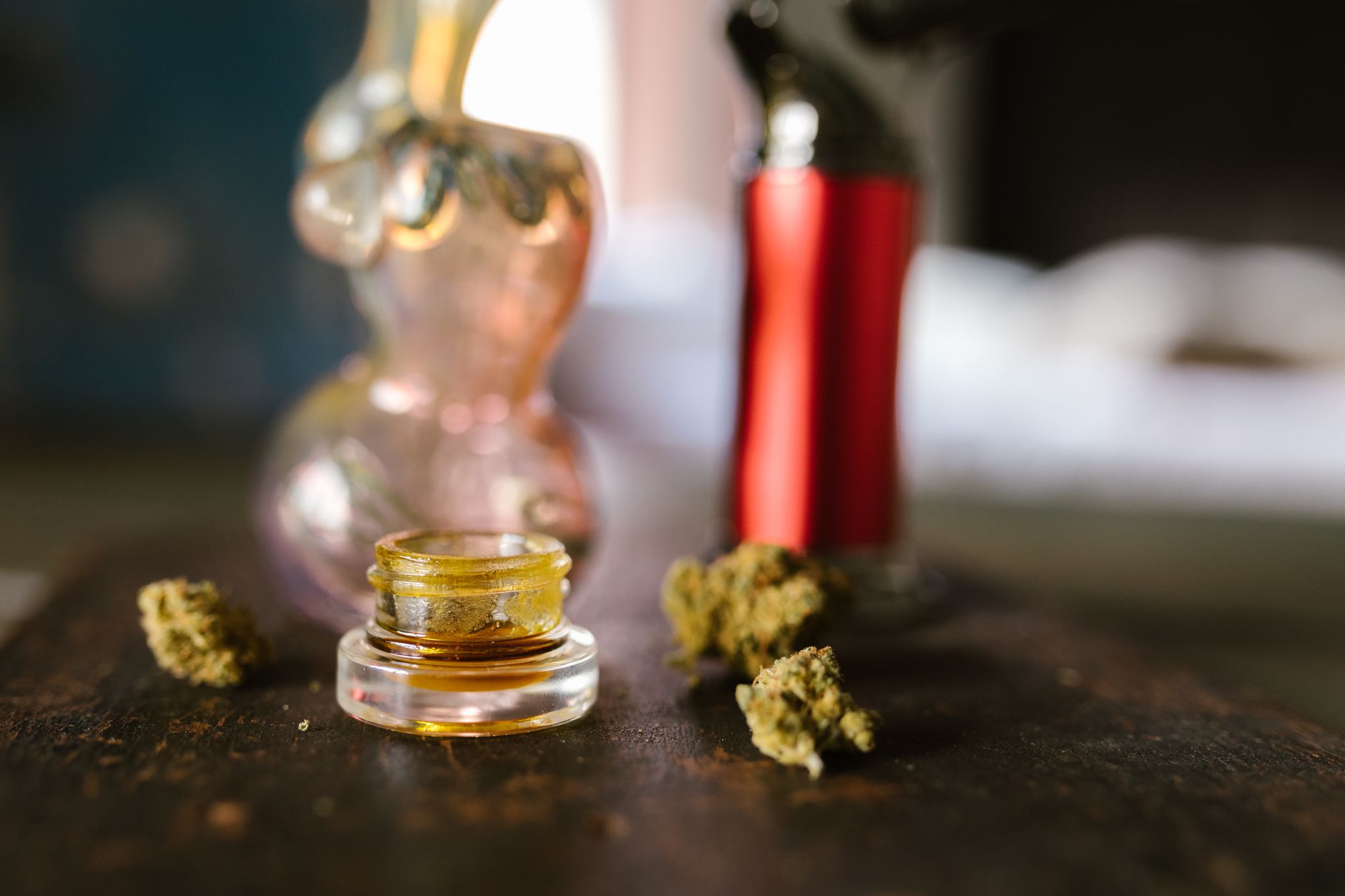
The failure mode is predictable: buyers pay premium prices for a product they can't verify, and growers try to make it with genetics that simply don't have enough resin to produce a usable yield. Both problems have the same fix. Understanding exactly what piatella is, how it's made, and which genetics actually support solventless extraction at the hobby scale is what separates a successful run from a wasted harvest.
This guide gives you the real numbers, the production method, the legal context under the Cannabis Act, and a clear answer on whether growing your own is the smartest path to quality piatella in 2026.
Piatella (also called "piattella") is a flat-pressed, solventless hash originating in Italy and Spain, now produced across Canada by hobby and craft extractors. It starts as bubble hash (ice-water extraction), is then dried and pressed into a thin slab, and typically tests between 50 and 70% total cannabinoids with a full terpene profile intact.
It's not rosin, it's not dry-sift, and it's not live resin. The solventless production method and the flat slab format are what define it. Quality depends almost entirely on the starting genetics.
- ✓ Canadian home growers under the 4-plant Cannabis Act limit
- ✓ Buyers trying to verify what "piatella" actually means
- ✓ Growers choosing genetics specifically for solventless extraction
- ✓ Anyone comparing piatella to rosin, bubble hash, or dry-sift
- ✓ First-time hash makers wanting realistic yield expectations
- ✗ Solvent-based extraction (BHO, CO2, ethanol)
- ✗ Growers in provinces where personal cultivation is restricted
- ✗ Buyers looking for instant dispensary sourcing (it's rare)
- ✗ Commercial extraction operations
What is piatella hash, exactly?
Piatella is a solventless hash concentrate pressed into a flat, disc-like slab. The name comes from the Italian word for "small plate," describing its shape.
It's made from bubble hash that has been carefully dried to a specific moisture content, then cold-pressed under low heat to bind the trichome heads into a cohesive slab. The result retains the full terpene and minor cannabinoid spectrum of the source material.
Under Health Canada classification, piatella falls under cannabis concentrate regulations. It is legal for personal production by Canadian adults from home-grown plants, subject to the 4-plant household limit and provincial legal age requirements (19 in most provinces, 18 in Alberta, 21 in Quebec).
Piatella is genuinely one of the highest-expression hash formats available to home producers. If you have the right genetics and a basic ice-water setup, the barrier to entry is lower than most people expect. The problem is almost always the starting material, not the technique.
How piatella hash is made (step by step)
The production process has four distinct phases. Each one affects the final quality more than any single piece of equipment.
Step 1: Ice-water (bubble hash) extraction
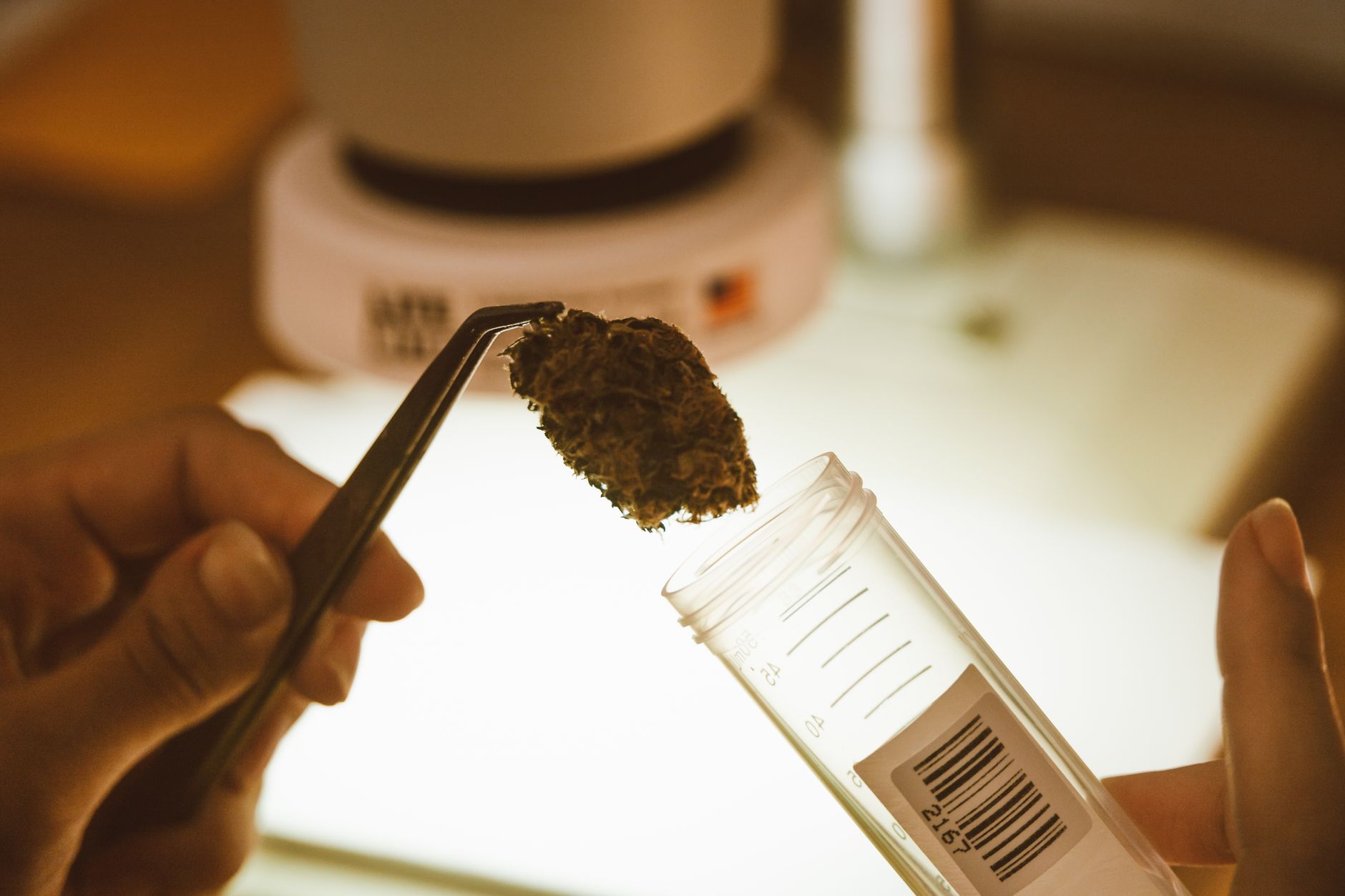
Fresh-frozen or dry-cured flower is agitated in ice water using bubble bags (typically a 5-bag or 8-bag set). The cold water causes trichome heads to become brittle and separate from the plant material. Water temperature should stay at 1 to 4 degrees C throughout. Aggregated grower journals consistently show 15 to 20 minutes of gentle agitation produces cleaner hash than longer, aggressive runs that pull more plant material through.
Step 2: Wet sieving and collection
The slurry is passed through progressively finer mesh screens (typically 220, 160, 73, and 25 micron). The 73-to-90 micron fraction is generally considered the highest-quality "full melt" grade in most breeder documentation and grower-reported COA data. This fraction is collected into a fine-mesh screen over a bowl and the excess water is pressed out gently.
Step 3: Freeze-drying or cold air drying
Wet hash is spread thinly on parchment and either freeze-dried (the professional method, 24 to 48 hours) or air-dried at temperatures below 15 degrees C for 10 to 14 days. Freeze-drying produces a lighter-coloured, more aromatic final product. Residual moisture above 8% leads to mold in the finished slab, which is the most common failure point reported in public grower forums.
Step 4: Cold-pressing into a piatella slab
Dried bubble hash is placed in parchment, then pressed under a rosin press at 35 to 55 degrees C for 30 to 90 seconds. This fuses the trichome heads without fully melting them (which would convert it to rosin). The result is the flat, dark-amber slab that defines piatella. Lower temperatures preserve more terpenes; most craft producers target 37 to 45 degrees C for the first press.
The process is straightforward enough for most hobby growers with a $150 bubble bag set and a basic rosin press. The ceiling on quality is set at Step 1, by the trichome density of your starting genetics. Choose your seeds accordingly.
Piatella vs rosin vs dry-sift: what's the difference?
These three products are frequently confused, even in dispensary product descriptions. The differences are significant in both production method and final experience.
| Product | Extraction Method | Solvents? | Typical Total Cannabinoids | Terpene Retention | Format |
|---|---|---|---|---|---|
| Piatella | Ice water + cold press | No | 50, 70% | Very high | Flat slab |
| Bubble Hash (unpressed) | Ice water | No | 40, 65% | High | Loose powder/crumble |
| Flower Rosin | Heat + pressure (flower) | No | 45, 65% | Medium, High | Sap / shatter |
| Dry-Sift Hash | Dry sieving | No | 35, 60% | Medium | Powder / pressed block |
| BHO / Live Resin | Solvent (butane) | Yes | 60, 90% | Very high (live) | Various |
Piatella occupies a unique space: it delivers near-rosin potency with better terpene preservation than dry-sift, using zero solvents. For Canadian home producers under the legal plant limit, it's the highest-expression product achievable with basic equipment.
What are the best genetics for making piatella at home?
Not all cannabis genetics produce enough resin to make piatella worthwhile. Breeder documentation consistently identifies trichome density, resin gland size, and terpene volume as the three traits that determine extraction quality. Airy-budded, low-resin strains simply don't produce enough bubble hash to press into a usable slab from 4 plants.
For solventless hash making, you want strains with documented high resin output, large trichome heads (favoring the 73, 90 micron collection fraction), and dense bud structure. Indica-dominant and OG-lineage genetics have historically performed best in aggregated grower reports specifically for ice-water extraction.
Genetics worth prioritizing for piatella production:
- OG Kush and OG-cross feminized strains , documented for large trichome heads and high resin yield under COA comparisons
- Hash Plant lineage strains , bred specifically for resin production, historically used in traditional hash regions
- Gorilla Glue #4 crosses , breeder documentation reports exceptional trichome coverage; widely recommended in grower forums for solventless
- Wedding Cake / Triangle Kush genetics , consistently high extraction yields across public grower-reported data
- Indica-dominant autoflowers with documented resin scores, ideal for Canada's short outdoor season
Our high THC seeds and indica seeds catalog includes genetics specifically chosen for density and resin output, which directly translates to better piatella yield at the hobby scale. If you're running feminized cannabis seeds, you eliminate any male-plant waste from your 4-plant legal limit, maximizing the resin-producing canopy available for extraction.
To produce a meaningful quantity of piatella, your starting genetics need to yield at least 3% bubble hash by dry weight. Formula: Dry flower weight (g) × resin yield % = bubble hash available to press.
Example: 4 plants yielding 100g each (400g total) at 4% resin yield produces 16g of bubble hash. At 3%, that's only 12g. If your genetics sit below 3%, the math rarely justifies the process under a 4-plant limit. Choose genetics rated for high resin output and document your starting material weight before every run.
For growers who want to maximize their 4-plant allowance, autoflower seeds in Canada offer the added benefit of a faster cycle (8, 10 weeks from seed), letting some growers complete two runs per indoor season and double the starting material available for extraction.
Genetics are the single biggest variable in piatella production. Two plants with identical technique but different resin output can produce 8g vs 22g of pressable bubble hash from the same grow space. Select genetics based on documented resin data, not just THC percentages.
Is making piatella hash legal in Canada?
Personal production of cannabis concentrates from home-grown plants is legal for Canadian adults under the Cannabis Act (2018), subject to specific conditions.
The key limits are: a maximum of 4 plants per household (not per person), plants grown from legally obtained seeds, and no use of dangerous solvents. Piatella, being a solventless concentrate, falls within permitted personal use. Selling it, even informally, remains illegal outside licensed channels.
Provincial rules add further nuance. Quebec restricts home cultivation entirely. Manitoba prohibits growing at home. All other provinces permit it at the household level. Check your province's current regulations before starting any grow or extraction project. Health Canada's cannabis resource page is the authoritative source for updated federal guidance.
Making piatella at home from legally grown plants using ice water and a press is legal for most Canadian adults. The solventless method is important here , butane or ethanol extraction carries additional legal and safety considerations that put it in a different category entirely.
Buying piatella vs growing your own: which makes more sense?
Piatella is rarely stocked at Canadian dispensaries. The craft production process, short shelf life, and limited commercial licensing for concentrates mean it remains largely a home-extraction or grey-market product. When it does appear on regulated shelves, retail pricing typically ranges from $60 to $120 per gram for verified solventless product.
For comparison: growing your own with quality genetics and producing bubble hash at a 4% resin yield from 400g of dried flower produces approximately 16g of pressable hash at a total seed-to-slab cost (seeds, growing supplies, basic extraction equipment) that most hobby growers report between $400 and $700 for the initial setup. After the first run, the per-gram cost drops significantly.
The quality control argument is equally strong. Commercial piatella lacks standardized COA disclosure requirements for all extraction variables. Growing your own from verified feminized cannabis seeds means you control the input genetics, the grow environment, and the extraction parameters from start to finish.
Research published in the Journal of Cannabis Research has documented that terpene and minor cannabinoid profiles in solventless concentrates are directly tied to cultivation conditions and genetics, not just extraction technique. This reinforces the case for controlling your starting material.
If you're serious about piatella quality and you're growing under the 4-plant limit anyway, producing your own is both more economical after setup and more reliable in terms of knowing exactly what went into your concentrate. The retail market for verified piatella in Canada is simply too thin and inconsistently labelled to depend on.
Common mistakes when making piatella hash
Looking at patterns from public grower forum data and support questions that come up most around first-time extraction runs, five failure modes repeat almost every time.
Mistake 1: Starting with low-resin genetics
The most common root cause of disappointment. Using sativa-dominant, airy, or low-trichome genetics means you'll collect insufficient bubble hash to form a cohesive slab. Recognize it early: if your bag screens look sparse after agitation, the genetics aren't suited for this process. Fix: choose your seeds based on documented resin output before the grow begins.
Mistake 2: Agitating too aggressively
Over-agitation breaks down plant matter and pushes it through the mesh screens, contaminating the trichome fraction. The result is dark, plant-heavy hash with a harsh flavour. Most experienced extractors report 10 to 15 minutes of gentle stirring produces cleaner hash than 30 minutes of vigorous agitation. Fix: shorter, gentler runs, multiple times if needed.
Mistake 3: Insufficient drying before pressing
Pressing wet or under-dried hash creates a dense, almost waxy slab that molds within days. Residual moisture above 8% is the critical threshold. Recognize it: wet hash feels sticky and pliable, not crumbly. Fix: air dry below 15 degrees C for a full 10 to 14 days, or use a freeze-dryer for 24 to 48 hours.
Mistake 4: Pressing at too high a temperature
Pressing above 55 degrees C converts piatella into rosin, which is a different product. You'll see the material begin to weep oil onto the parchment. Recognize it: any visible oil seeping out means the temperature is too high. Fix: start at 37 degrees C and increase only if needed to achieve cohesion.
Mistake 5: Using only one bag grade
Single-screen extraction misses the quality grading that makes piatella distinctive. The 73-to-90 micron fraction is full-melt grade; the 120-to-160 micron fraction is lower quality. Mixing them reduces the final product's potency and clarity. Fix: collect each fraction separately and press the 73-to-90 micron fraction on its own for your best piatella output.
All five of these mistakes are preventable with the right genetics and patience. The process itself is not technically demanding. The discipline to dry properly and press cool is what separates quality piatella from mediocre hash.
What happens if you choose wrong genetics
- Strain: Resin-dense OG-cross feminized
- 4 plants, 400g dried yield total
- Resin yield: 4.5% (18g bubble hash)
- 73-micron fraction: 10g pressable
- Final piatella slab: 8, 9g
- Risk level: Low
- Outcome: Potent, aromatic slab at roughly $50, 70 per gram all-in after first grow. Full control over quality.
- Strain: Sativa-dominant, airy bud structure
- 4 plants, 380g dried yield total
- Resin yield: 1.8% (6.8g bubble hash)
- 73-micron fraction: 2, 3g pressable
- Final piatella slab: barely 2g
- Risk level: High
- Outcome: Insufficient yield to form a proper slab. Result pressed into low-grade hash block. Entire grow cycle wasted for extraction purposes.
Bottom line: the genetics decision made before germination determines almost the entire extraction outcome. Choosing wrong costs you a full growing season. Browse our best strains for potency and resin output to start your selection from verified genetics.
"Your piatella quality is decided at the seed bank, not at the press. Choose genetics with documented resin output above 3%, and the extraction takes care of itself. Choose wrong, and no technique will save your run."
Ready to grow for extraction? Start with genetics that actually deliver.
Browse Resin-Rich Indica SeedsFrequently Asked Questions About Piatella Hash in Canada
What is piatella hash?
Is piatella hash legal in Canada?
Where can I buy piatella hash in Canada?
What strains are best for making piatella hash?
How much bubble hash can I get from 4 plants?
What's the difference between piatella and rosin?
Why did my bubble hash turn out dark and harsh?
Can I make piatella without a freeze-dryer?
How long does piatella hash stay fresh?
What temperature should I use to press piatella?
Should I use fresh-frozen or dry-cured flower for piatella?
Can autoflower strains produce good piatella?
Why is piatella so expensive at dispensaries?
What micron bag should I use for piatella?
My first piatella run barely filled the parchment , what went wrong?
Find the right genetics for your next extraction run.
Shop All Cannabis Seeds , CanadaSources
Shop Premium Cannabis Seeds
Browse our curated selection of cannabis seeds, carefully chosen for Canadian growers. Fast shipping, germination guarantee, and discreet packaging across Canada.
Explore more seed categories: