Most growers chase novelty. They jump to the newest hybrids, the loudest names, the 30% THC marketing claims. And then, quietly, the growers who actually know what they're doing keep coming back to Northern Lights. This strain has won more awards, produced more record harvests, and built more grower reputations than almost anything bred in the last four decades. If you haven't grown it, you're leaving one of the easiest, heaviest, most forgiving indoor performers off your list. This guide covers Northern Lights genetics, effects, flowering time, yield expectations, and a step-by-step grow breakdown built specifically for Canadian conditions.
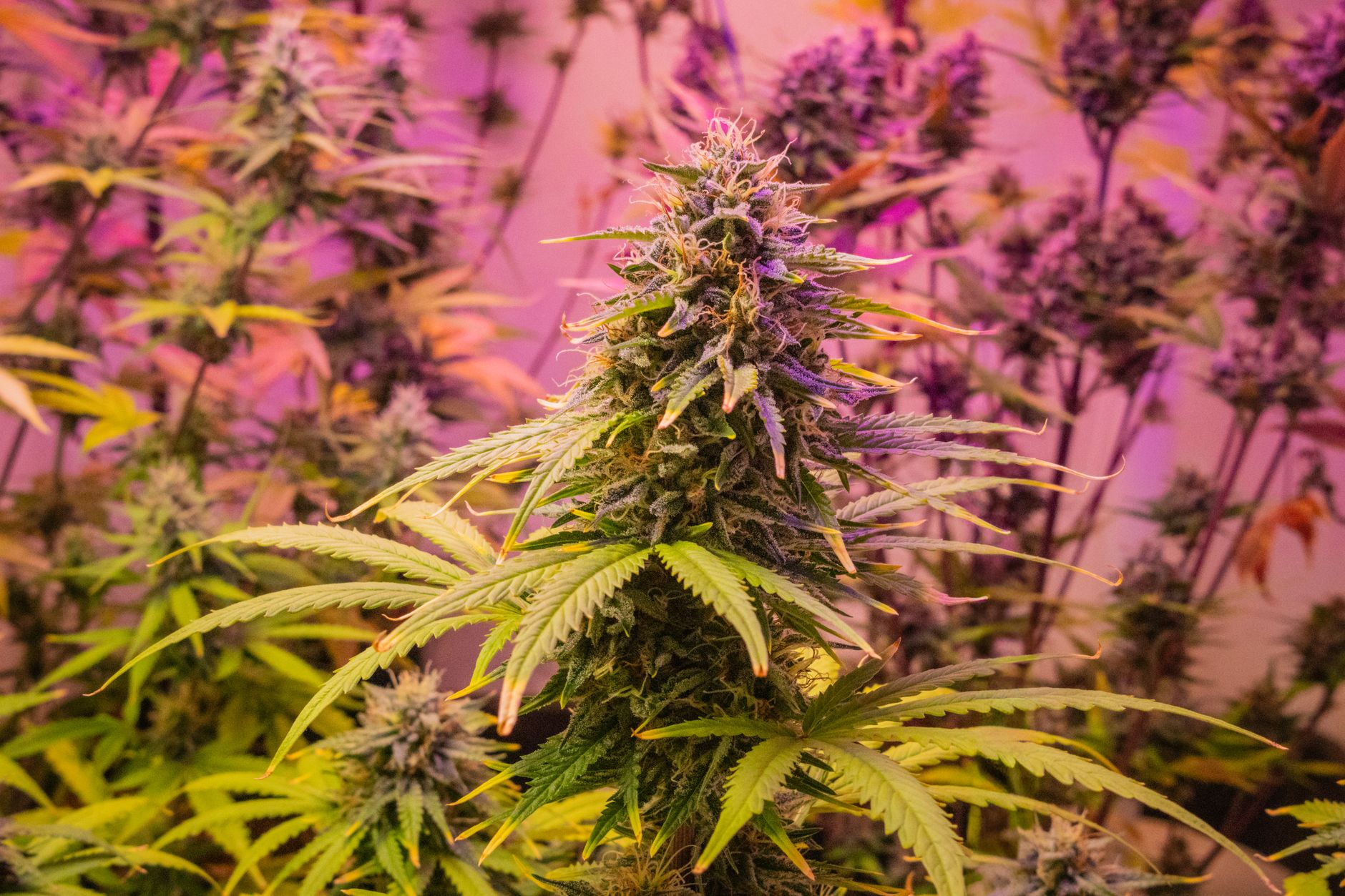
Northern Lights is a nearly pure Afghani indica strain averaging 18-22% THC, finishing flower in 45-55 days under 12/12. It produces 400-550 g/m² indoors with dense, heavily resinous buds and delivers a deep body high with mild cerebral uplift. Beginner-friendly, mold-resistant, and compact enough to stay within Canada's 4-plant household limit with room to spare.
- ✓ Canadian growers growing indoors under the 4-plant limit
- ✓ Beginners wanting a forgiving, high-yield indica
- ✓ Growers who prefer heavy body effects over cerebral highs
- ✓ Anyone who wants dense resinous buds without complex training
- ✓ Short-space growers (tents, closets, spare rooms)
- ✗ Growers looking for a daytime / energizing sativa high
- ✗ Anyone chasing 30%+ THC marketing numbers
- ✗ Outdoor-only growers in Zone 3 or colder (auto version recommended instead)
What is Northern Lights?
Northern Lights is a nearly pure indica cannabis strain originating from Afghani landrace genetics, famous worldwide for its resin production, fast flowering, and sedating body effects.
The strain produces compact, dense buds blanketed in trichomes. Its effects lean heavily physical: a full-body relaxation that starts in the muscles and works inward. The high typically arrives within 5-10 minutes of inhalation and can last 2-3 hours depending on tolerance and dose.
It became a benchmark strain in the 1980s and 1990s after dominating the Cannabis Cup repeatedly. Today it's considered one of the foundational strains in cannabis breeding, with descendants including Shiva Skunk, Super Silver Haze, and hundreds of hybrid crosses. Per Health Canada regulations, all seed purchases and cultivation in Canada are governed by the Cannabis Act (2018), which permits adults 19+ (18 in Alberta, 21 in Québec) to grow up to 4 plants per household for personal use.
Northern Lights is the most beginner-accessible high-yield indica you can grow. If you want predictable results, minimal maintenance, and heavy buds , this is the strain to start with.
What Are Northern Lights' Genetics and Lineage?
Northern Lights descends almost entirely from Afghani indica landrace genetics, with some phenotypes incorporating a minor Thai sativa influence (roughly 95-100% indica depending on the seed line). The original strain was reportedly developed in the Pacific Northwest in the late 1970s and later refined in the Netherlands by Sensi Seeds, who stabilized the genetics into the form most growers know today.
The Afghani landrace parent contributes dense structure, thick resin coating, fast maturation, and high mold resistance. These traits make Northern Lights one of the most structurally reliable strains ever bred.
Multiple numbered phenotypes exist (NL#1 through NL#9, with NL#5 considered the most celebrated). NL#5 is the line most widely distributed through reputable seed banks and is the standard reference point for flowering time and yield data. Indica seeds in Canada from stable lineages like Northern Lights are consistently among the most requested by growers who want predictability over novelty.
| Trait | Detail |
|---|---|
| Primary Parent | Afghani Indica Landrace |
| Secondary Parent | Thai Sativa (minor, some phenotypes) |
| Indica / Sativa Split | ~95-100% Indica / 0-5% Sativa |
| Most Notable Phenotype | NL#5 (Sensi Seeds stabilization) |
| Key Descendants | Shiva Skunk, Super Silver Haze, NL#5 x Haze |
The Afghani landrace foundation gives Northern Lights its two most commercially important traits: speed and resin density. Few hybrids bred in the last 20 years match both simultaneously.
What Are the Effects and Terpene Profile of Northern Lights?
Northern Lights delivers a heavy, full-body sedating high with mild euphoric onset. Most users report deep muscle relaxation, a mental quieting effect, and strong drowsiness at higher doses. It's not a social or creative strain , it's a wind-down strain, best suited to evenings.
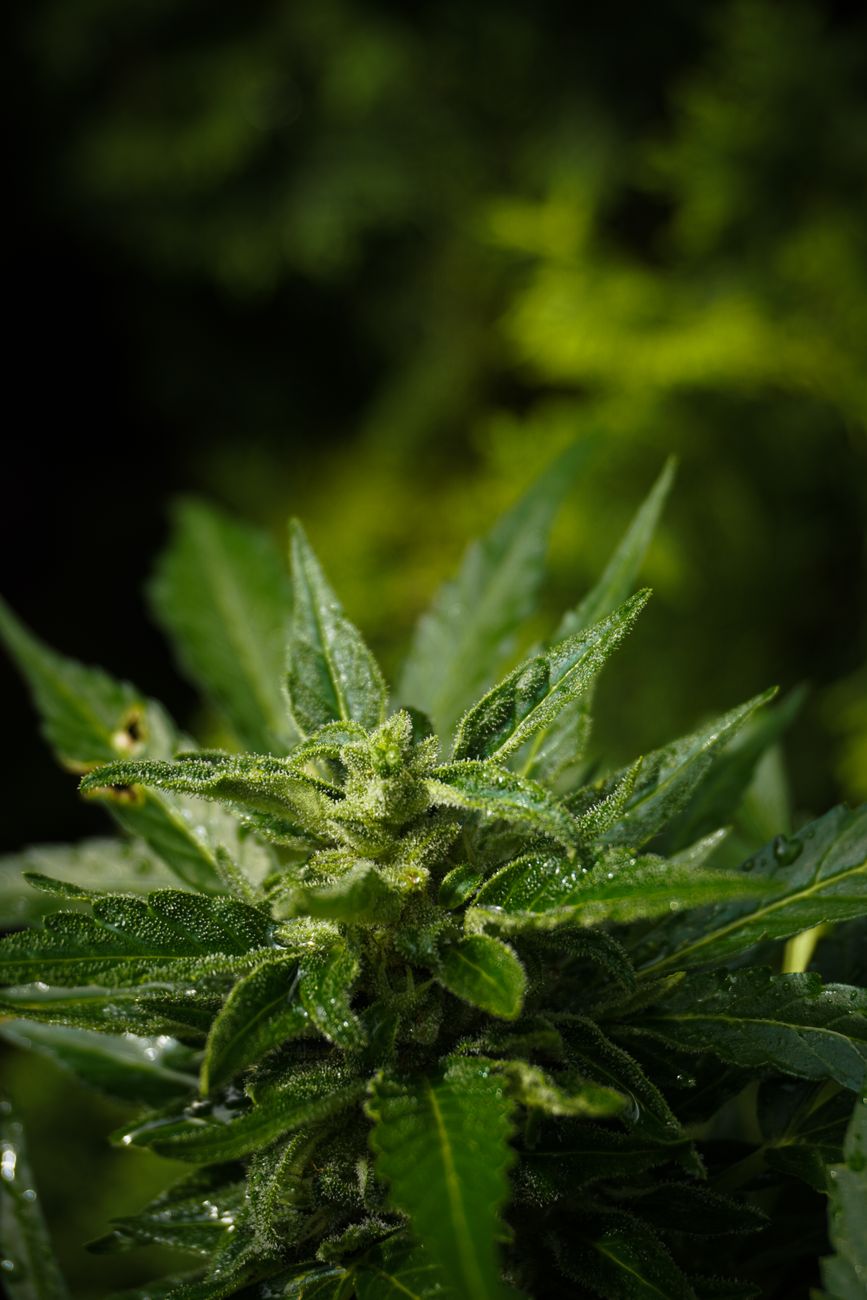
The dominant terpenes across most NL phenotypes are myrcene (earthy, musky), caryophyllene (spicy, peppery), and pinene (sharp, piney). Myrcene in particular is associated with the sedating couch-lock quality Northern Lights is known for, according to published terpene pharmacology research in the Journal of Cannabis Research.
At 18-22% THC, Northern Lights sits in a moderate-to-high potency range. It's not a record-breaking THC number by modern standards , but the cannabinoid profile, combined with its terpene density, produces an effect that growers and consumers consistently describe as "hitting harder than the percentage suggests."
- Onset: 5-10 minutes (inhaled), 45-90 minutes (edibles from home-processed flower)
- Peak: 30-60 minutes after onset
- Duration: 2-3 hours at moderate doses
- Primary effects: Body relaxation, mild euphoria, sedation, appetite stimulation
- Best for: Evening use, sleep support, stress relief, muscle tension
If high THC numbers matter to you more than effect quality, Northern Lights may disappoint on paper. In practice, its myrcene-forward profile punches above its listed THC. Growers who consume their own crop consistently rank the experience over most higher-THC hybrids.
What is Northern Lights' Flowering Time and Expected Yield?
Northern Lights flowers in 45-55 days under a 12/12 light cycle , one of the fastest finishing photoperiod indicas available. Breeder documentation from multiple established seed banks consistently puts NL#5 at 45-50 days, with some phenotype variation extending to 55 days.
Indoor yield from feminized cannabis seeds of Northern Lights genetics runs 400-500 g/m² under standard 600W HPS or equivalent LED (around 600-700 PPFD at canopy). Growers running higher-powered setups at 800-900 PPFD report 500-550 g/m² with light defoliation and low-stress training.
Outdoor yields are reported at 500-600g per plant in full-sun environments with a long enough season. In Canada, outdoor Northern Lights suits Zone 6 and warmer reliably; Zone 5 is marginal with early June starts.
Any feminized photoperiod indica claiming to finish faster than Northern Lights' 45-day minimum should be verified against independent COA data , very few stable genetics genuinely beat this benchmark without phenotype instability.
Formula: Flip to 12/12 + 45 days minimum + 7-10 days trichome observation window = harvest-ready confirmation. Example: Flip on Oct 1 (indoor) → check trichomes from Nov 14 → harvest Nov 15-24 depending on head/cloudy/amber ratio preference.
45-55 day flower is Northern Lights' most underrated asset. Growers run more cycles per year, recover faster from mistakes, and fill their 4-plant limit with higher annual output than slower genetics allow.
How to Grow Northern Lights Step-by-Step
Step 1: Germinate Your Seeds
Paper-towel germination at 22-25°C produces 90-97% success rates within 48-72 hours, as widely documented across grower journals and breeder guidelines. Keep seeds moist, not wet. Once the taproot reaches 1-2 cm, transfer to your growing medium.
Step 2: Seedling Stage (Days 1-14)
Run lights at 18/6 for photoperiod NL seeds. Keep RH at 65-70% and temps at 22-26°C. Northern Lights seedlings are robust , but most new growers overwater at this stage. Water only when the top 2 cm of medium feels dry.
Step 3: Vegetative Growth (2-6 Weeks)
Northern Lights stays compact in veg , typically 40-70 cm by flip. Veg 4-5 weeks for 11 L pots, or 5-6 weeks for 19 L. EC should run 1.2-1.8 mS/cm in soil, slightly higher in coco. Light defoliation at week 3-4 improves airflow significantly.
Step 4: Flip to 12/12 and Early Flower (Weeks 1-3 of Flower)
Northern Lights stretches only 30-50% from its pre-flip height , much less than most sativa-heavy hybrids. This is where most stretch happens in indica strains, so account for final height before flipping. Raise PPFD to 700-800 at canopy. EC can increase to 1.8-2.2 mS/cm.
Step 5: Mid-Flower Bud Bulk (Weeks 3-6)
This is when NL's famous resin production kicks in. Keep RH below 50% through mid-flower to prevent mold in the dense bud structure. Temps at 20-24°C day, 16-18°C night to encourage terpene retention. Phosphorus-heavy nutrients support bud density at this stage.
Step 6: Flush, Check Trichomes, and Harvest
Start flushing at day 42-45 (soil). Check trichomes under a 40-60x loupe from day 45 onward. Cloudy trichomes = peak THC / energetic effect. Amber trichomes = more sedating / CBN development. Most NL growers targeting the classic heavy body high harvest at 20-30% amber.
Northern Lights is genuinely beginner-tolerant at every stage. It handles minor overfeeding, slight RH fluctuations, and even light-schedule inconsistencies better than most strains. That said, keeping RH under 50% in flower is non-negotiable given bud density.
Northern Lights vs Other Popular Indicas: How Does It Compare?
| Strain | THC Range | Flower Time | Indoor Yield (g/m²) | Mold Resistance | Beginner Rating | RKS Indica Score |
|---|---|---|---|---|---|---|
| Northern Lights | 18-22% | 45-55 days | 400-550 | High | 9/10 | 91/100 |
| Granddaddy Purple | 17-23% | 60-70 days | 350-450 | Medium | 7/10 | 78/100 |
| Blueberry | 17-20% | 56-65 days | 350-450 | Medium | 7/10 | 74/100 |
| Purple Kush | 17-22% | 55-65 days | 350-430 | Medium | 7/10 | 75/100 |
| Afghan Kush | 15-20% | 50-60 days | 350-500 | High | 8/10 | 82/100 |
RKS Indica Score methodology: Yield potential 30% + Cycle speed 25% + Mold resistance 20% + Beginner accessibility 15% + Terpene/effect quality 10%.
Why Northern Lights scored #1: No other classic indica combines a sub-55-day flower window with 400+ g/m² yield AND high mold resistance. Granddaddy Purple offers comparable THC but takes 15-20 extra days and resists mold less reliably. Afghan Kush comes closest but yields slightly lower and produces less resin density per breeder documentation.
For growers who want that heavy indica effect on a faster timeline, our indica seeds Canada collection covers the full spectrum from NL to Kush lineages.
Northern Lights wins the indica efficiency category outright. If you have a fixed tent size and 4-plant limit, it returns more grams per day of growth than any comparable classic indica.
Common Mistakes Northern Lights Growers Make (And How to Fix Them)
Mistake 1: Harvesting Too Early
Northern Lights bud development looks complete visually before it actually is. Growers see dense, resinous buds at day 40 and get impatient. Harvesting before trichomes show at least 50-70% cloudy results in a lighter, more racy effect , the opposite of what this strain is bred for. Always check trichomes with a loupe, not just the calendar.
Mistake 2: Running RH Above 55% in Late Flower
NL's bud density is an asset , but it traps moisture. Botrytis (bud rot) can establish inside a dense NL cola before it's visible from the outside. Growers who don't track RH per se, but just "eyeball" the grow room, consistently report mold surprises in week 6-7. Use an accurate hygrometer. Keep flower-stage RH at 40-50%.
Mistake 3: Overfeeding in Mid-Veg
Looking at the questions growers submit most often in support forums, NL nutrient burn appears disproportionately in mid-veg , when growers push EC above 2.0 mS/cm before the plant has built sufficient root mass. Keep veg EC at 1.2-1.6 mS/cm and ramp gradually. Brown leaf tips are the first symptom.
Mistake 4: Skipping Low-Stress Training
Northern Lights grows naturally as a single-cola dominant plant. Without LST or topping, lower buds receive far less light and produce "popcorn" , small, airy buds of lower quality. A simple horizontal tie-down at week 3 of veg opens the canopy significantly and can add 15-25% to effective yield without stress.
Mistake 5: Running the Wrong Pot Size for 4-Plant Grows
Under Canada's 4-plant limit per the Cannabis Act, many growers underpot to "fit more." With Northern Lights, pot size directly drives yield. Aggregated grower journal data shows 11 L pots produce approximately 140-180 g per plant; 19 L pots reach 190-240 g per plant under equivalent lighting. Four plants in 19 L pots can return 760-960 g per cycle legally.
Northern Lights forgives most mistakes. But harvesting too early and running high RH in flower are the two mistakes that actually cost you , in effect quality and crop loss respectively. Fix those two and the rest handles itself.
Northern Lights for Canadian Growers: Indoor, Outdoor, and Auto Options
Northern Lights is primarily an indoor strain in Canada. Its compact structure, fast cycle, and odour profile (moderate , earthy and musky but not overwhelming in filtered setups) make it well-suited to basement and tent grows across every province.
Outdoors, photoperiod NL requires a full-sun site with 45+ consecutive frost-free days post-flip. Per Plant Hardiness Zones of Canada data and Environment and Climate Change Canada climate normals, that constrains reliable outdoor flowering to Zone 6+ (southern Ontario, coastal BC, some parts of southern Quebec). In Zone 5 or colder, Northern Lights autoflower genetics are a better fit , finishing 70-80 days from seed with no light-schedule dependency.
For indoor growers restricted to a small footprint, autoflower seeds in Canada based on Northern Lights genetics deliver the same indica effect profile in a plant that stays under 80 cm and requires no light flip , ideal for 60x60 cm or 80x80 cm tent setups.
- Strain: NL Feminized (photoperiod)
- Setup: 19 L pots, 4-plant limit
- Cycle: 6 wks veg + 50 days flower
- Expected yield: 800-960 g total
- Risk: Low
- Outcome: Consistent, heavy harvest with full effect profile
- Strain: NL Photoperiod (outdoor)
- Location: Zone 4 (e.g., central Ontario)
- First frost: ~Oct 1
- Problem: Flower flip in Aug, harvest mid-Oct , past first frost
- Risk: High
- Outcome: Bud rot or frost-killed crop before harvest
Bottom line: In Zone 4 and colder, use Northern Lights Auto. One decision at seed selection determines whether your outdoor season succeeds or fails entirely.
Northern Lights photoperiod is best indoors Canada-wide. For outdoor growers in Zones 3-5, Northern Lights Auto closes the gap and is the version we'd recommend without hesitation.
Ready to grow one of the most reliable indicas ever bred?
Browse Indica Seeds in CanadaThe Simple Rule Most Northern Lights Growers Miss
Frequently Asked Questions About Northern Lights
What does Northern Lights weed feel like?
How long does Northern Lights take to flower?
What is the THC percentage of Northern Lights?
Is Northern Lights good for beginners?
Can I grow Northern Lights outdoors in Canada?
How much does Northern Lights yield indoors?
Does Northern Lights have a strong smell?
What pot size should I use for Northern Lights under the 4-plant limit?
Why does my Northern Lights have airy buds?
Is Northern Lights available as an autoflower?
What nutrients does Northern Lights need in flower?
How does Northern Lights compare to OG Kush?
What light schedule should I use for Northern Lights?
My Northern Lights stalled at week 6 of flower , what went wrong?
Can I grow Northern Lights in a 60x60 cm tent?
Ready to grow Northern Lights? Browse our full selection of feminized and autoflower cannabis seeds available to Canadian growers.
Shop All Cannabis Seeds at Royal King SeedsSources
Shop Premium Cannabis Seeds
Browse our curated selection of cannabis seeds, carefully chosen for Canadian growers. Fast shipping, germination guarantee, and discreet packaging across Canada.
Explore more seed categories: