Most cannabis brownies fail before they ever touch the oven. The batch feels weak, or it hits like a freight train two hours later, and both outcomes trace back to the same three fixable mistakes: no decarb, wrong dose math, and zero patience. Published research in the Journal of Cannabis Research confirms that raw cannabis flower contains mostly THCA, not active THC, meaning an un-decarbed brownie delivers a fraction of the cannabinoids you paid for. The fix is simple once you understand what's actually happening chemically. This guide gives you the exact temperatures, timing, dose arithmetic, and recipe framework to produce consistent, predictable results every single time.
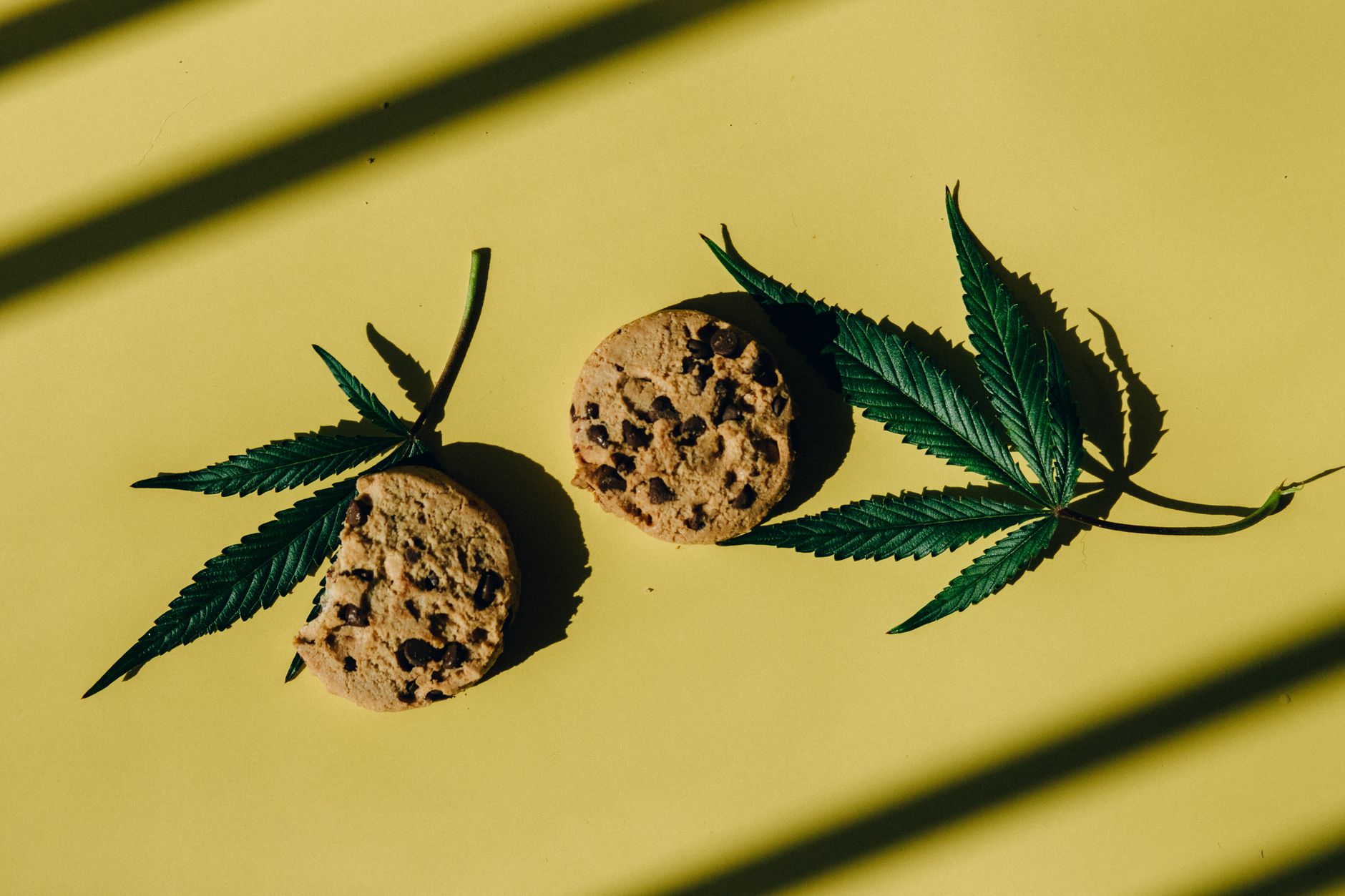
Marijuana brownies work reliably when you decarboxylate cannabis at 116 to 121°C (240 to 250°F) for 30 to 40 minutes before infusion, dose at 5 to 10 mg THC per brownie square for beginners, and wait a full 45 to 90 minutes before deciding the effect is "not working." Skipping decarb cuts active THC delivery by up to 88%. Onset is slower than smoking because edibles clear the liver first, converting THC into 11-hydroxy-THC, a metabolite roughly twice as potent and significantly longer-lasting.
- ✓ Legal adults 19+ (21+ in Québec, 18+ in Alberta) making home edibles
- ✓ First-time cannabis bakers wanting safe, predictable doses
- ✓ Experienced consumers who've had inconsistent results
- ✓ Home growers turning harvest into infused products
- ✓ Anyone who has ever been accidentally over-dosed by a brownie
- ✗ Minors under legal provincial age
- ✗ Growers seeking commercial production advice
- ✗ Anyone in a jurisdiction where cannabis is not legal
- ✗ People seeking medical dosing guidance (consult a physician)
Optimal decarb temperature (240, 250°F)
Beginner THC dose per serving
Typical edible onset window
What is decarboxylation , and why does it matter for brownies?
Decarboxylation is the heat-driven chemical reaction that converts inactive THCA (tetrahydrocannabinolic acid) into active THC. Without it, you are baking with the wrong molecule.
Fresh and dried cannabis flower stores cannabinoids in their acid forms: THCA, CBDA, and CBGA. These precursor molecules do not bind effectively to the brain's CB1 receptors. When you apply heat, a carboxyl group is released as CO2, and the acid form converts to the active compound. Smoking does this instantly at combustion. Baking without pre-decarbing does it inefficiently and unevenly.
Per Health Canada's cannabis edibles guidance, consumers should start with products containing no more than 2.5 mg THC and wait at least two hours before redosing. That baseline assumes full activation. If your decarb is poor, the actual active THC in your brownie can vary wildly from batch to batch.
Decarb is not optional. It is the single step that determines whether your brownies are potent or expensive flour. Do it in the oven, separately, before infusion. Everything else flows from this.
What temperature and time should you use to decarb cannabis?
The optimal decarb window is 116 to 121°C (240 to 250°F) for 30 to 40 minutes. This activates the majority of THC without burning off terpenes or degrading THC into CBN (the sedating byproduct of heat-damaged THC).
Research published on PubMed examining cannabinoid thermal degradation shows that temperatures above 135°C accelerate CBN formation, reducing potency. Going too low, under 105°C, leaves a significant proportion of THCA unconverted.
Home oven calibration is often off by 5 to 15°C. An oven thermometer costs under $15 CAD and eliminates the most common decarb failure point.
| Temperature | Duration | THCA Conversion | Terpene Retention | Risk |
|---|---|---|---|---|
| 105°C / 220°F | 60 min | ~60, 70% | High | Under-activation |
| 116, 121°C / 240, 250°F | 30, 40 min | ~88, 95% | Medium-High | Low (ideal window) |
| 135°C / 275°F | 20 min | ~85% | Low | CBN formation, harsh taste |
| 150°C / 300°F | 15 min | ~70% | Very Low | Significant degradation |
Set your oven to 116°C, use a thermometer to verify it, spread ground cannabis evenly on parchment, cover with foil, and bake 35 minutes. This is the sweet spot across hundreds of aggregated grower and home-baker reports reviewed in public cannabis community forums.
How do you calculate THC dose per brownie serving?
Dose math is straightforward once you know your flower's THC percentage. The formula below gives you the estimated milligrams of active THC per brownie square.
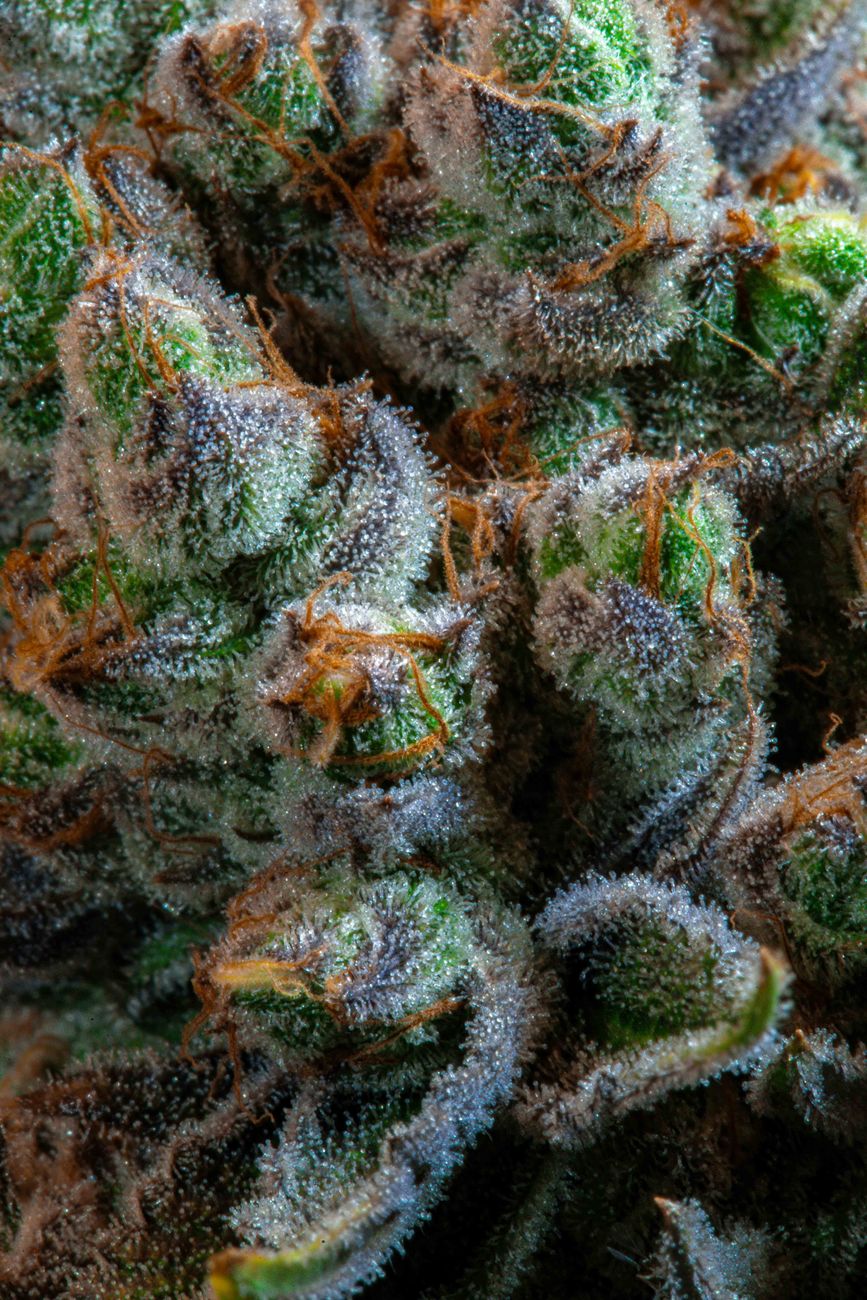
One gram of cannabis = 1,000 mg. A strain at 20% THC contains 200 mg THC per gram. Accounting for approximately 88% decarb efficiency:
Active THC per gram = Flower weight (g) × THC% × 0.88
Dose per brownie = Active THC total ÷ number of pieces
Example: 3 g of 20% THC flower = 3 × 200 × 0.88 = 528 mg total active THC. Cut into 16 pieces = 33 mg per piece. That is an advanced dose. For 10 mg per piece, you need 54 pieces from the same batch, or reduce flower to 1 g and cut into 18 pieces (roughly 9.8 mg each).
Health Canada's consumer guidance and Canadian edibles labelling standards recommend 2.5 to 10 mg THC as a beginner-to-moderate range. Looking at patterns in public consumer feedback on Canadian cannabis communities, most unpleasant edible experiences report doses above 20 mg without prior tolerance.
Practical dose targets by experience level:
- Beginner: 2.5 to 5 mg THC per serving
- Occasional consumer: 5 to 10 mg THC per serving
- Regular consumer: 10 to 20 mg THC per serving
- High tolerance: 20 to 50 mg THC per serving
- Experienced medical users: 50 mg+ (always physician-guided)
Cut your batch into more pieces than you think you need. It is infinitely easier to eat two 5 mg squares than to wish you had eaten half of a 30 mg one. Always do the arithmetic before baking, not after.
How to make cannabutter for brownies (step-by-step)
Cannabutter is the standard carrier for brownies because fat-soluble THC binds to butter's lipid content. The following method uses a stovetop double-boiler approach, which is more controllable than direct heat.
Step 1: Decarb your flower
Grind cannabis coarsely (not to powder) and spread on a parchment-lined baking sheet. Cover with foil. Bake at 116°C for 35 minutes. Let cool before handling.
Step 2: Melt butter with water
Combine 225 g (1 cup) unsalted butter with 240 mL (1 cup) water in a saucepan over low heat. Water prevents the butter from scorching. It separates out later during chilling.
Step 3: Add cannabis and infuse
Add decarbed cannabis to the melted butter-water mixture. Maintain temperature at 70 to 85°C (160 to 185°F) for 2 to 3 hours, stirring every 20 to 30 minutes. Do NOT boil. Boiling destroys active compounds and releases an unpleasant odour.
Step 4: Strain and chill
Pour the mixture through a fine mesh strainer or cheesecloth into a container. Squeeze all liquid from the plant matter. Refrigerate for at least 2 hours until the butter solidifies on top. Remove and discard the water layer beneath.
Step 5: Measure before baking
Not all THC transfers to butter evenly. Aggregated grower and home-cook reports suggest 60 to 80% cannabinoid transfer efficiency with this method. Adjust your dose calculations using 70% as a conservative middle estimate.
Low and slow wins. Two hours at 80°C outperforms 30 minutes at 100°C every time. Patience here is what separates a mediocre infusion from a consistent, high-efficiency batch.
The base brownie recipe (serves 16 pieces)
This recipe substitutes all butter with cannabutter. For milder doses, replace half the cannabutter with regular unsalted butter and double-check your per-piece math.
- 115 g (½ cup) cannabutter, melted
- 200 g (1 cup) granulated sugar
- 2 large eggs, room temperature
- 5 mL (1 tsp) pure vanilla extract
- 60 g (½ cup) all-purpose flour
- 50 g (½ cup) unsweetened cocoa powder
- 2 g (½ tsp) salt
- Optional: 80 g chocolate chips
- Preheat oven to 175°C (350°F). Line a 20×20 cm (8×8 in) pan with parchment.
- Whisk cannabutter and sugar together until smooth.
- Add eggs one at a time, whisking after each. Add vanilla.
- Sift in flour, cocoa, and salt. Fold until just combined , do not overmix.
- Fold in chocolate chips if using.
- Pour into pan and bake 20 to 25 minutes. A toothpick should come out with moist crumbs, not wet batter.
- Cool completely before cutting into 16 equal squares.
For growers who want full control over the starting material, high THC seeds produce flower with verified cannabinoid profiles so your dose math starts from accurate numbers rather than guesswork.
Why do marijuana brownies take so long to kick in?
Edible cannabis onset takes 45 to 90 minutes for most people, and up to 2 hours in some cases, because the metabolic pathway is fundamentally different from inhalation.
When you eat a brownie, THC is absorbed through the gastrointestinal tract and passes through the liver. There, it converts to 11-hydroxy-THC, a metabolite that crosses the blood-brain barrier more readily than THC itself. Research published on NIH NCCIH notes that this hepatic first-pass effect creates a delayed but often more intense and longer-lasting experience compared to inhalation.
Factors that affect onset speed include:
- Empty vs. full stomach: an empty stomach can accelerate onset to 30 to 45 minutes; a full stomach may push it beyond 90 minutes
- Individual metabolism: liver enzyme activity (CYP2C9, CYP3A4) varies significantly between individuals
- Fat content of the meal: higher fat meals increase cannabinoid absorption
- Dose size: larger doses tend to onset faster and last longer
No effect (normal)
Early onset possible
Peak onset window
Late onset (normal)
High stacking risk
Set a timer for 90 minutes after eating. If you feel nothing, wait the full two hours before considering a half-dose top-up. The majority of "I ate too many brownies" situations are caused by a 60-minute impatience decision, not a weak batch.
Common mistakes that ruin cannabis brownies
Mistake 1: Skipping decarboxylation entirely
This is the most widespread error. Raw cannabis folded directly into butter or batter will produce very weak results. Conversion happens partially in the oven, but oven bake times are too short and temperatures too high for complete activation. Always decarb first.
Mistake 2: Boiling the butter during infusion
Butter boils around 100°C. At that temperature, terpenes evaporate rapidly and some THC begins degrading to CBN. Keep infusion heat below 85°C. If you see rolling bubbles, pull it off the heat immediately.
Mistake 3: Uneven distribution of cannabutter in the batter
Hot spots in the pan create inconsistent doses. One piece may contain 5 mg and another 25 mg from the same batch. Fold slowly and evenly. Cut pieces with a ruler for equal sizing.
Mistake 4: Using mids or trim without adjusting dose math
Shake and trim typically run 5 to 10% THC versus 18 to 28% for quality flower. If you substitute trim without recalculating, you will dramatically underdose or, if you compensate with volume, over-extract plant matter flavour. Always start with a known or tested THC percentage.
Feminized cannabis seeds give home growers the most predictable cannabinoid profiles, since feminized photoperiod genetics from reputable breeders carry documented THC ranges per strain.
Mistake 5: Eating on a full stomach and expecting quick onset
A large fatty meal before brownies can push onset to the 2-hour mark or beyond. If you have eaten a heavy dinner and feel nothing after an hour, that is expected. Redosing at that point is the classic "doubling up" mistake.
Marijuana brownie myths vs. reality
| Myth | Reality |
|---|---|
| "More flower = stronger brownie" | Only up to the point butter fat becomes saturated. Excess cannabis adds bitterness, not potency. Infusion efficiency caps around 1 g per 30 mL of fat. |
| "Brownie heat destroys THC" | Baking at 175°C for 20 to 25 minutes causes minimal additional degradation when butter is already infused. The THC is protected inside the fat matrix. |
| "I felt nothing so I ate another whole brownie" | Onset can exceed 90 minutes. The second dose stacks with the first, hitting simultaneously for a much higher than intended experience. |
| "You can decarb in the microwave" | Microwaves heat unevenly and cannot maintain the precise 116 to 121°C window reliably. Oven decarb is consistently more effective. |
| "CBD brownies have no psychoactive effect" | Pure CBD is non-intoxicating. However, many CBD-forward strains still carry 1 to 5% THC, which at edible doses is detectable. Always check the full cannabinoid profile. |
"Dose low. Wait long. Eat again only if you need to , not because you're impatient. Cannabis brownies are not a sprint; they are a slow burn that rewards patience and punishes haste."
Which cannabis strain should you use for brownies?
Strain selection changes the experience, not just the potency. Use this decision guide to match your goals.
- Maximum relaxation / sleep aid: High-THC indica strains (22, 28%) with myrcene terpene profile. Indica seeds are the starting point.
- Social, functional high: Sativa-leaning or hybrid strains at 18, 22% THC with limonene and pinene dominance.
- Anxiety-conscious: Balanced THC:CBD strains (1:1 or 2:1). Reduces psychoactive intensity while preserving body effect.
- Beginner / microdose: Lower-THC strains at 12, 16% allow more precise small-batch dose control.
- Home grower using own harvest: Autoflower seeds in Canada produce harvestable flower in 70, 85 days with documented THC ranges from breeders.
- 4-plant household limit (Cannabis Act): One high-yield feminized plant can produce 100, 250 g dried flower, enough for multiple batches across a season.
For growers who want to tailor every batch to a specific purpose, browsing our full cannabis seed collection lets you filter by THC range, growth type, and terpene profile before you ever start your infusion.
What happens if you choose the wrong approach
- Strain: 20% THC feminized indica
- Decarb: 116°C, 35 min (confirmed)
- Dose per piece: 8 mg THC
- Onset: 60 min, manageable
- Duration: 3, 4 hours relaxed, functional
- Risk level: Low
Outcome: Consistent, repeatable results. Guest-shareable batch.
- Strain: Unknown trim, skipped decarb
- Decarb: None
- Dose per piece: Unknown, felt weak
- Second piece eaten at 45 min
- Third piece at 75 min
- Onset: Stacked hit at 90 min
- Risk level: High
Outcome: Overwhelmed, anxious, 6-hour uncomfortable experience.
Bottom line: Doing the decarb and dose math before baking takes 10 minutes of arithmetic. Skipping it sets the stage for unpredictable outcomes that ruin a perfectly good brownie batch and an even better evening.
Patterns from aggregating public cannabis edibles experiences
Looking at the questions our team fields most often and patterns across public cannabis community forums, a few consistent failure modes appear in nearly every troubled batch report.
The most-reported issue by far is impatient redosing. Forum data consistently shows consumers redosing between the 45 and 75-minute mark, stacking two to three doses that hit simultaneously. This accounts for the majority of "I had a terrible time with edibles" reports.
The second most common report is weak batches from unverified flower. Homemade edibles using dispensary trim bags, old stash, or unlabelled genetics frequently underperform because the actual THC percentage is unknown. Starting with seed-grown, breeder-documented flower removes this variable entirely. Home growers using high THC seeds with published cannabinoid specifications can reverse-engineer their dose math from reliable numbers.
Third: oven temperature drift. Consumer oven calibration errors of 10 to 20°C are extremely common. Without an oven thermometer, decarb results are inconsistent batch to batch , explaining why the same recipe produces different effects each time.
Frequently Asked Questions
Do you have to decarb cannabis before making brownies?
How long do weed brownies take to kick in?
How many mg of THC should be in a brownie for a beginner?
Why didn't my cannabis brownies get me high?
Can I use a slow cooker instead of the stovetop for cannabutter?
How long do marijuana brownies last after baking?
Can I use coconut oil instead of butter?
Is making cannabis edibles at home legal in Canada?
Why does my batch taste terrible even though it gets me high?
How do I know if I took too much from a cannabis brownie?
What's the best strain for relaxing cannabis brownies?
Can I decarb kief or hash for brownies instead of flower?
Consistent brownies start with documented THC percentages. Every strain in our catalog includes breeder-published cannabinoid ranges so your dose math is accurate from the first gram.
Shop All Cannabis SeedsSources
Shop Premium Cannabis Seeds
Browse our curated selection of cannabis seeds, carefully chosen for Canadian growers. Fast shipping, germination guarantee, and discreet packaging across Canada.
Explore more seed categories: