The internet says eating a mango before you smoke will double your high. Most stoners have heard it. Some swear by it. But almost nobody explaining it actually understands the mechanism , and getting the mechanism wrong means you're probably doing it wrong too. The real story runs through terpene chemistry, your blood-brain barrier, and a compound called myrcene that shows up in both ripe mangoes and some of the most sedative cannabis strains on the planet. This guide cuts through the folklore and tells you what the science actually says, what it doesn't say, and how to use this knowledge when choosing strains.
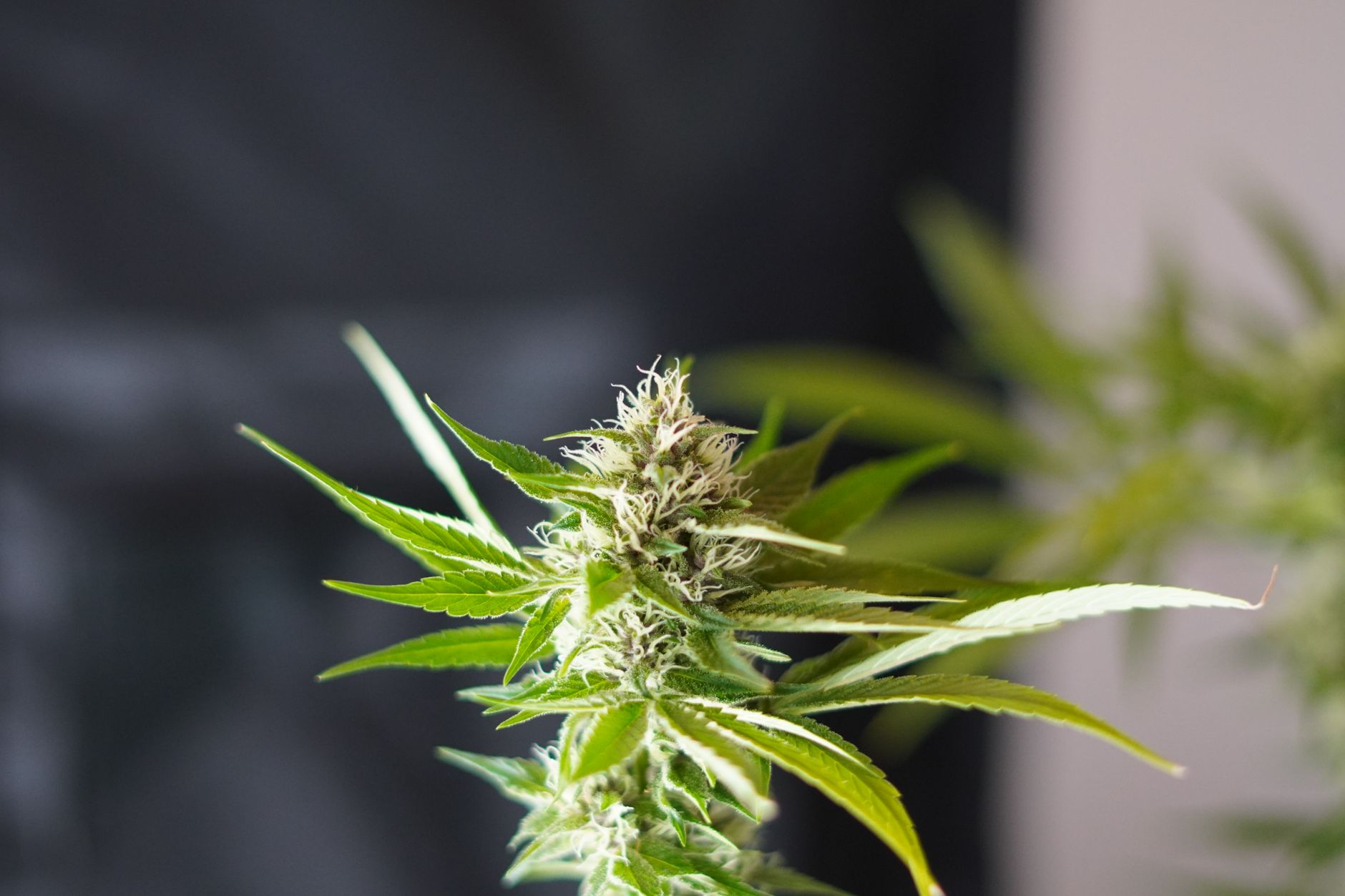
Mangoes are rich in myrcene, a monoterpene also found at concentrations of 0.5 to 1.5% in many cannabis strains. Myrcene is theorized to increase cell membrane permeability, potentially allowing THC to cross the blood-brain barrier more readily. Eating a ripe mango roughly 45 minutes before consuming cannabis is the window most often cited in grower communities , but direct human clinical trials confirming a measurable high-intensity boost are still limited. The effect is real enough to take seriously, not magic enough to rely on as a substitute for quality genetics.
- ✓ Cannabis consumers curious about the mango myth
- ✓ Growers selecting strains for terpene profiles
- ✓ Canadians 19+ looking to optimize their experience legally
- ✓ Anyone who wants to understand the entourage effect in plain language
- ✓ Seed buyers comparing indica vs myrcene-dominant genetics
- ✗ Anyone under legal age in their province
- ✗ Readers expecting a guaranteed "hack" with no nuance
- ✗ Medical cannabis patients substituting this for professional advice
What Is Myrcene?
Myrcene (beta-myrcene) is a monoterpene , one of the smallest and most volatile aromatic compounds found in plants. It's the most abundant terpene in most commercial cannabis strains, and it's also the dominant terpene in ripe mangoes.
In cannabis, myrcene produces the earthy, musky, slightly fruity aroma that most people associate with classic indica strains. It's also found in hops (which is why some IPAs have a similar dank quality), lemongrass, and thyme. Concentrations in cannabis typically run between 0.1% and 1.5% of dry weight, with some landrace-derived indicas pushing toward the higher end.
In pharmacological research, myrcene has been studied for sedative properties, analgesic potential, and , most relevant here , its possible role in modulating how other compounds move through biological membranes. That last property is where the mango story gets interesting.
Myrcene is not a psychoactive compound on its own. Its value in cannabis comes from how it interacts with other cannabinoids and the body's transport systems. Understanding myrcene is the foundation for understanding why the mango trick has any basis in science at all.
Where Did the Mango and Weed Myth Come From?
The claim that eating mango before smoking cannabis intensifies or prolongs the high has circulated in grower and consumer communities for well over two decades. The earliest consistent references point back to cannabis advocate and author Ed Rosenthal, who popularized the idea in grower communities in the early 2000s.
The mechanism proposed was straightforward: mangoes are high in myrcene, myrcene is also the dominant terpene in cannabis, and consuming extra myrcene from food could amplify the myrcene already present in your strain , potentially boosting transport of THC across the blood-brain barrier and intensifying psychoactive effects.
The idea spread because it's not implausible. It connects two real facts , mango myrcene content and cannabis myrcene content , via a plausible mechanism. That's more scientific scaffolding than most folk remedies get. The question is whether it actually holds up when you look harder at the evidence.
The myth has real roots in terpene chemistry. It's not folklore invented from nothing. But there's a gap between a plausible mechanism in animal studies and a reliably reproducible human effect , and that gap matters for managing your expectations.
How Myrcene and the Blood-Brain Barrier Are Connected
The blood-brain barrier (BBB) is a selective filtering system that controls what moves from your bloodstream into your brain. Most large or hydrophilic molecules can't cross it easily. THC crosses it reasonably well because it's lipid-soluble , but the speed and efficiency of that crossing can vary significantly based on physiological conditions.
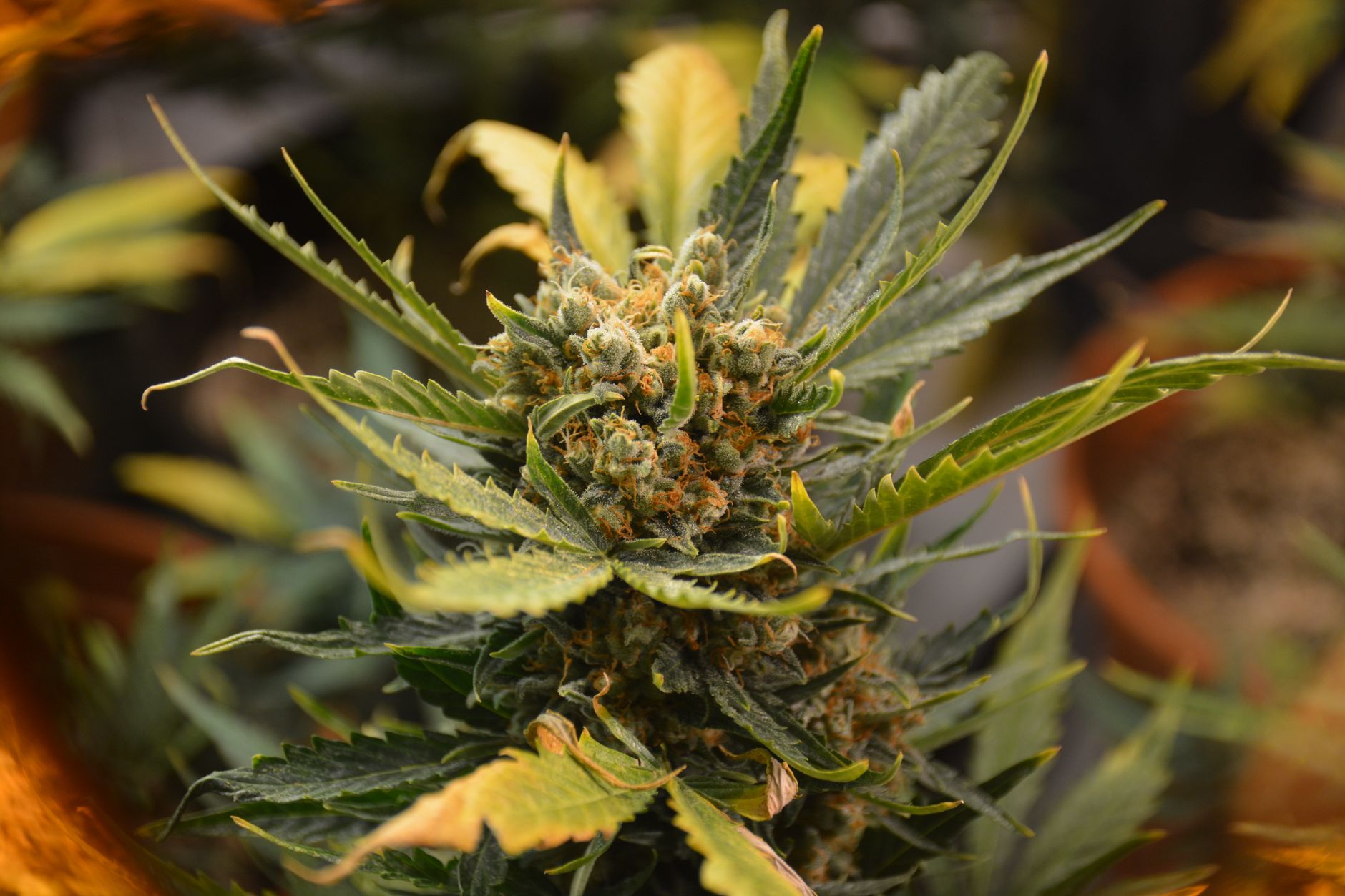
Myrcene is theorized to act as a membrane permeability enhancer. In vitro (cell-based) studies have suggested that myrcene may increase the fluidity of cell membranes, which could lower the resistance THC faces when trying to enter brain tissue. A 2021 review published in the Journal of Cannabis Research noted that terpene-cannabinoid interactions remain an active and underexplored area, with myrcene flagged specifically as a compound warranting further study for its modulatory potential.
The honest caveat: most of this work is preclinical. Mice studies showing myrcene's sedative and analgesic properties don't automatically translate to humans eating mango before a smoke session. The principle is sound; the precise human dose-response relationship hasn't been nailed down in controlled trials yet.
The blood-brain barrier angle is the strongest scientific leg the mango theory stands on. It's not confirmed in large-scale human trials, but it's mechanistically credible enough that dismissing it entirely misses the point of how terpene science is evolving.
What the Science Actually Says (And What It Doesn't)
Per NIH NCCIH research on cannabinoids, the entourage effect , the idea that cannabis compounds work synergistically , is increasingly supported but still lacks the clinical trial depth needed to make precise dose predictions for individual terpenes. Myrcene's role is acknowledged; the exact amplification factor for a specific human eating a specific amount of mango is not.
What the existing evidence does support fairly clearly:
- Myrcene is present in significant concentrations in ripe mangoes (studies have identified myrcene as one of the primary volatile compounds in mango aroma profiles).
- Myrcene is the most abundant terpene in many cannabis chemotypes, particularly indica-dominant genetics.
- Myrcene demonstrates sedative properties in animal models at relevant concentrations.
- Terpene-cannabinoid interactions exist and affect subjective experience , this is the basis of whole-plant vs. isolate debates in medical research.
What it doesn't confirm: a precise, reproducible "mango equals X% stronger high" formula. Individual variation in metabolism, baseline myrcene tolerance, mango ripeness, and strain myrcene content all create too many variables for a simple rule.
Health Canada does not endorse or regulate terpene-based consumption strategies, but the broader regulatory movement toward terpene disclosure on licensed cannabis products in Canada reflects the growing acknowledgment that terpene profiles matter for consumer experience.
The science is genuinely promising, not bunk. But it's early-stage promising , the kind of thing worth trying and paying attention to personally, not the kind of thing you'll find in a double-blind RCT yet. Treat it as an informed experiment, not a guaranteed hack.
The 45-Minute Mango Rule
For myrcene from mango to be circulating at peak concentration when cannabis is consumed, eat a ripe mango approximately 45 minutes before your session.
Formula: Ripe mango (higher myrcene) + 45-min absorption window + high-myrcene strain = maximum terpene stacking potential.
Example: Eating half a ripe Ataulfo mango at 7:00 PM and consuming a myrcene-dominant indica like a Northern Lights phenotype at 7:45 PM places both myrcene sources in your system simultaneously , a far more terpene-rich environment than the strain alone provides.
The "45 minutes" figure comes from general estimates of how long it takes dietary compounds to pass through the stomach and begin absorption in the small intestine. It's not a lab-verified exact window , think of it as a practical starting point to test personally.
Ripeness matters significantly here. Underripe mangoes contain far less myrcene than fully ripe ones. The characteristic sweet, almost floral aroma of a perfectly ripe mango is partly myrcene volatilizing. If your mango smells faintly of nothing, its myrcene content is low and the experiment is already compromised.
High-Myrcene Cannabis Strains Worth Growing in Canada
If the mango-myrcene theory interests you, growing high-myrcene strains is where the real leverage is. Dietary mango myrcene is a supplement; strain myrcene content is the foundation. Picking genetics with documented high myrcene profiles stacks the effect far more reliably than any fruit consumed beforehand.
Indica-dominant genetics consistently produce higher myrcene concentrations than pure sativas. Breeder documentation and widely reported COA data from SC Labs and Steep Hill identify certain lineages as reliably myrcene-dominant:
- OG Kush lineage strains: myrcene commonly leads the terpene profile at 0.8, 1.2% dry weight per aggregated COA data.
- Northern Lights genetics: classic myrcene-forward afghani heritage, earthy and musky aroma, consistent across most phenotypes.
- Blue Dream (indica-leaning phenos): myrcene often pairs with caryophyllene, producing a sedative-leaning effect despite higher THC percentages.
- Granddaddy Purple: purple anthocyanin genetics frequently co-express high myrcene , particularly relaxing body effect profile.
For Canadian growers, indica seeds from afghani and Hindu Kush heritage lines are the most reliable source of high-myrcene phenotypes. These genetics were also bred for dense resin production in harsh mountain climates , a trait that transfers well to Canada's shorter outdoor seasons.
If you want maximum terpene expression without a long photoperiod cycle, autoflower seeds derived from indica-dominant parents can deliver solid myrcene profiles while finishing in 8, 10 weeks. This matters for Canadian growers in Zone 4 and 5 where outdoor season windows are tight.
| Strain Type | Typical Myrcene % | THC Range | Cycle Length | Mold Resistance | Cold Tolerance |
|---|---|---|---|---|---|
| Afghan/Hindu Kush Indica | 0.9, 1.5% | 17, 22% | 55, 65 days flower | High | High |
| OG Kush Lineage | 0.8, 1.2% | 20, 26% | 60, 70 days flower | Medium | Medium |
| Indica-Dominant Hybrid | 0.5, 1.0% | 18, 24% | 58, 68 days flower | Medium, High | Medium |
| Autoflower Indica Cross | 0.4, 0.9% | 16, 22% | 70, 85 days total | Medium, High | High |
| Sativa-Dominant Hybrid | 0.1, 0.4% | 20, 28% | 70, 90 days flower | Low, Medium | Low |
For growers specifically chasing terpene-rich, high-potency expression, browsing our high THC seeds with indica heritage will typically surface the myrcene-forward genetics most relevant to this topic.
If the mango-myrcene effect interests you, growing high-myrcene indica genetics gives you 10x more myrcene than any dietary source. The fruit is the supplement; the strain is the engine.
The Entourage Effect: Why Terpenes Change Your High
The entourage effect is the term researchers use to describe how cannabis compounds , cannabinoids, terpenes, flavonoids , interact to produce effects greater than or different from any single compound alone. It was first formally proposed by Israeli researchers Raphael Mechoulam and Shimon Ben-Shabat in 1998 and has been refined significantly since.
Myrcene's role in the entourage effect extends beyond just the mango experiment. Within cannabis itself, myrcene interacts with THC, CBD, and other terpenes like caryophyllene and linalool to shape the overall effect profile. High-myrcene strains almost universally produce more body-sedating, "couch-lock" adjacent experiences compared to low-myrcene strains at equivalent THC percentages.
This is a practical point for Canadian consumers choosing between strains: two cultivars at 22% THC can feel entirely different if one runs 1.2% myrcene and the other runs 0.2% myrcene with more limonene or pinene. THC percentage alone is an incomplete purchasing signal. Terpene profile is where the real character of the high lives.
For growers selecting seeds, choosing feminized cannabis seeds from breeders who publish terpene data gives you far more control over the end experience than chasing raw THC numbers alone.
The entourage effect is the bigger story behind the mango experiment. Myrcene interacting with THC inside the plant is more impactful than myrcene consumed separately from fruit. If you want to experience this effect fully, choose whole-plant, terpene-rich cannabis over distillates or isolates.
Myth vs. Reality: The Most Common Mango-Weed Misconceptions
The Simple Rule Most Cannabis Consumers Miss
"A ripe mango adds myrcene to your system. A high-myrcene strain adds myrcene to your high. Stack both and you've done something. Stack neither and no amount of belief will manufacture the effect."
Myth 1: Any mango works.
Reality: Ripeness determines myrcene content. An underripe or refrigerated mango that smells of nothing has a fraction of the myrcene of a fragrant, room-temperature ripe fruit. Myrcene is volatile , it's literally what you're smelling when a mango smells amazing.
Myth 2: The effect is immediate.
Reality: Dietary myrcene absorption follows normal digestion timelines. Eating mango and immediately smoking won't create the stacking window. The 45-minute pre-session timing exists for this reason.
Myth 3: Mango juice or dried mango works the same.
Reality: Processing significantly degrades myrcene. Pasteurized juice and dried mango lose most volatile terpene content during heat treatment. Fresh, ripe whole mango is the only version with meaningful myrcene concentration.
Myth 4: This works equally well with any strain.
Reality: Stacking mango myrcene onto a sativa-dominant, low-myrcene strain is unlikely to produce the same result as pairing it with a high-myrcene indica. The strain's own terpene profile is the dominant factor.
Why the Mango Experiment Fails for Most People
Looking at the patterns that come up most often in grower community discussions and consumer questions about this topic, a few failure modes repeat consistently.
Wrong mango ripeness
This is the most common issue. Most mangoes in Canadian grocery stores are sold underripe and continue to ripen at home. If yours isn't fragrant at room temperature, it's not ready. Leave it out until it yields slightly to pressure and smells distinctly of mango. That aroma is myrcene.
Wrong strain choice
Pairing mango with a limonene or terpinolene-dominant sativa won't produce a myrcene stacking effect. The strain needs to be naturally myrcene-forward. Afghani-heritage indicas and OG-lineage hybrids are the most reliable choices here.
Wrong timing
Eating mango immediately before or during a session means the myrcene is still in your stomach, not your bloodstream. The 45-minute window is the practical absorption estimate. Don't rush it.
Tolerance masking the effect
High-tolerance consumers with chronic daily use may not notice subtle terpene-stacking effects. The experiment tends to produce more noticeable results for consumers with lower baseline tolerance, where even modest changes in THC delivery efficiency produce a perceptible difference.
Expecting a dramatic transformation
Mango myrcene is a modifier, not a multiplier. If you're expecting your high to double, you'll be disappointed. If you're paying attention to onset speed, body effect, and duration, you're more likely to notice a genuine shift.
Most people who "tried the mango thing and it didn't work" used an underripe fruit, the wrong strain, or the wrong timing. Address all three variables before concluding the experiment failed.
For growers who want the full terpene experience from the plant itself, our full cannabis seed collection includes indica-dominant and high-terpene genetics suited to Canadian growing conditions under the Cannabis Act's four-plant personal cultivation limit.
Frequently Asked Questions
Does eating mango before smoking weed actually make you higher?
How long before smoking should I eat mango?
What terpene in mango affects your cannabis high?
Does mango juice work the same as fresh mango?
Which cannabis strains have the most myrcene?
Does myrcene make you sleepy?
Is the mango weed trick a myth?
Can I grow high-myrcene cannabis in Canada legally?
Why does my high feel different with indica vs sativa even at the same THC percentage?
Does the entourage effect apply to dietary terpenes from mango?
What if I tried the mango experiment and felt nothing?
Do other fruits have myrcene that could have a similar effect?
Grow the Terpene Profile You Want
A ripe mango adds myrcene to your experience. Growing the right strain adds it to every session. Browse our indica-dominant and high-terpene genetics , bred for Canadian conditions and the 4-plant household limit.
Browse Indica Seeds CanadaSources
Shop Premium Cannabis Seeds
Browse our curated selection of cannabis seeds, carefully chosen for Canadian growers. Fast shipping, germination guarantee, and discreet packaging across Canada.
Explore more seed categories: