Most people buying cannabis get quoted in eighths. Most growers talk in grams per plant. And almost nobody knows how those two numbers actually connect until they do the math wrong and come up short. A pound sounds like a lot , it is a lot. But understanding exactly how many eighths, quarters, halves, and ounces live inside that number is the difference between vague guessing and precise planning.
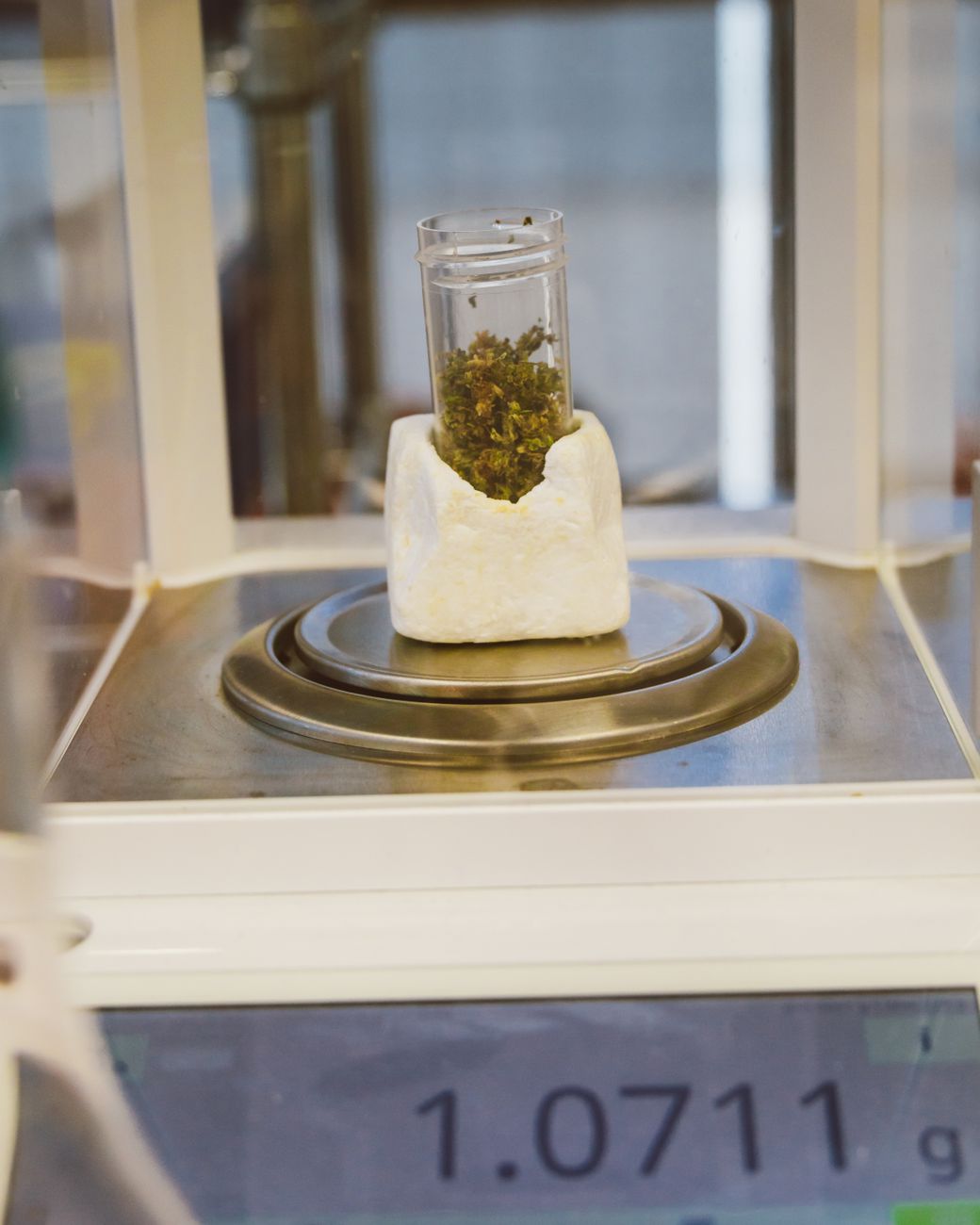
The answer to the headline question is 128. One pound of cannabis contains exactly 128 eighths. That's not an estimate. That's arithmetic. But the more useful knowledge is everything else this math unlocks: how much a home grow actually produces, how standard sizes translate into grams, and how to set realistic yield expectations before you put a single seed in soil.
One pound of cannabis = 448 grams = 16 ounces = 128 eighths. An eighth is 3.5 grams. An ounce is 28 grams. A quarter is 7 grams. These conversions are fixed , they don't change by strain, province, or dispensary. Every other cannabis weight question is just arithmetic built on these four anchors.
- ✓ Home growers estimating harvest yields
- ✓ Cannabis buyers confused by weight terminology
- ✓ Canadians planning a 4-plant personal grow
- ✓ Anyone comparing dispensary sizes to grow output
- ✓ New growers learning the math before choosing genetics
- ✗ Commercial producers (different regulatory scope)
- ✗ Anyone seeking legal advice on possession limits
- ✗ Readers looking for strain-specific grow guides
- → The Complete Cannabis Weight Chart
- → What Is an Eighth of Weed?
- → How Many Eighths in an Ounce?
- → How Many Eighths in a Pound (Full Math)
- → What Each Cannabis Size Looks Like in Real Life
- → Home Grow Yield Math: 4-Plant Canada Legal Limit
- → Common Mistakes With Cannabis Weights
- → Which Cannabis Size Should You Buy or Grow Toward?
- → FAQ
The Complete Cannabis Weight Chart (Grams, Ounces, Eighths)
Every cannabis weight you'll ever encounter traces back to one imperial unit: the ounce (28 grams). Everything below an ounce is a fraction of it. Everything above is a multiple. The chart below locks in every conversion in one place.
| Common Name | Fraction of Ounce | Grams | Eighths | Ounces |
|---|---|---|---|---|
| Gram | 1/28 oz | 1 g | 0.28 eighths | 0.035 oz |
| Eighth | 1/8 oz | 3.5 g | 1 | 0.125 oz |
| Quarter | 1/4 oz | 7 g | 2 eighths | 0.25 oz |
| Half Ounce | 1/2 oz | 14 g | 4 eighths | 0.5 oz |
| Ounce | 1 oz | 28 g | 8 eighths | 1 oz |
| Quarter Pound (QP) | 4 oz | 112 g | 32 eighths | 4 oz |
| Half Pound | 8 oz | 224 g | 64 eighths | 8 oz |
| Pound | 16 oz | 448 g | 128 eighths | 16 oz |
Print or bookmark this table. Every cannabis weight question you'll ever face is answered by finding the row and reading across. The most common confusion point is grams versus ounces , because cannabis culture mixes metric and imperial freely. The table above is your single reference.
What Is an Eighth of Weed?
An eighth is one-eighth of an ounce, which works out to 3.5 grams exactly. It's the most common purchase size at Canadian dispensaries and the standard unit most consumers plan around.
For context, 3.5 grams is enough to roll approximately 5 to 7 standard joints (at 0.5 to 0.7 grams each), or fill 4 to 6 bowls in a mid-size pipe. Actual consumption rate varies by individual, but an eighth typically represents 3 to 7 days of moderate use for most people.
The term "eighth" itself is shorthand for "eighth of an ounce." It became the industry standard partly because it's large enough to be practical but small enough to stay affordable. Under the Cannabis Act (2018), adult Canadians 19 and older (18 in Alberta, 21 in Quebec) can legally possess up to 30 grams of dried cannabis in public , that's roughly 8.5 eighths.
The eighth is the most practical consumer unit to understand. Every other size is either a fraction of it (a gram = roughly 1/3 of an eighth) or a multiple of it (an ounce = 8 eighths, a pound = 128 eighths).
How Many Eighths in an Ounce?
One ounce contains exactly 8 eighths. Since an eighth is 3.5 grams and an ounce is 28 grams, the math is: 28 ÷ 3.5 = 8. Clean, exact, no rounding.
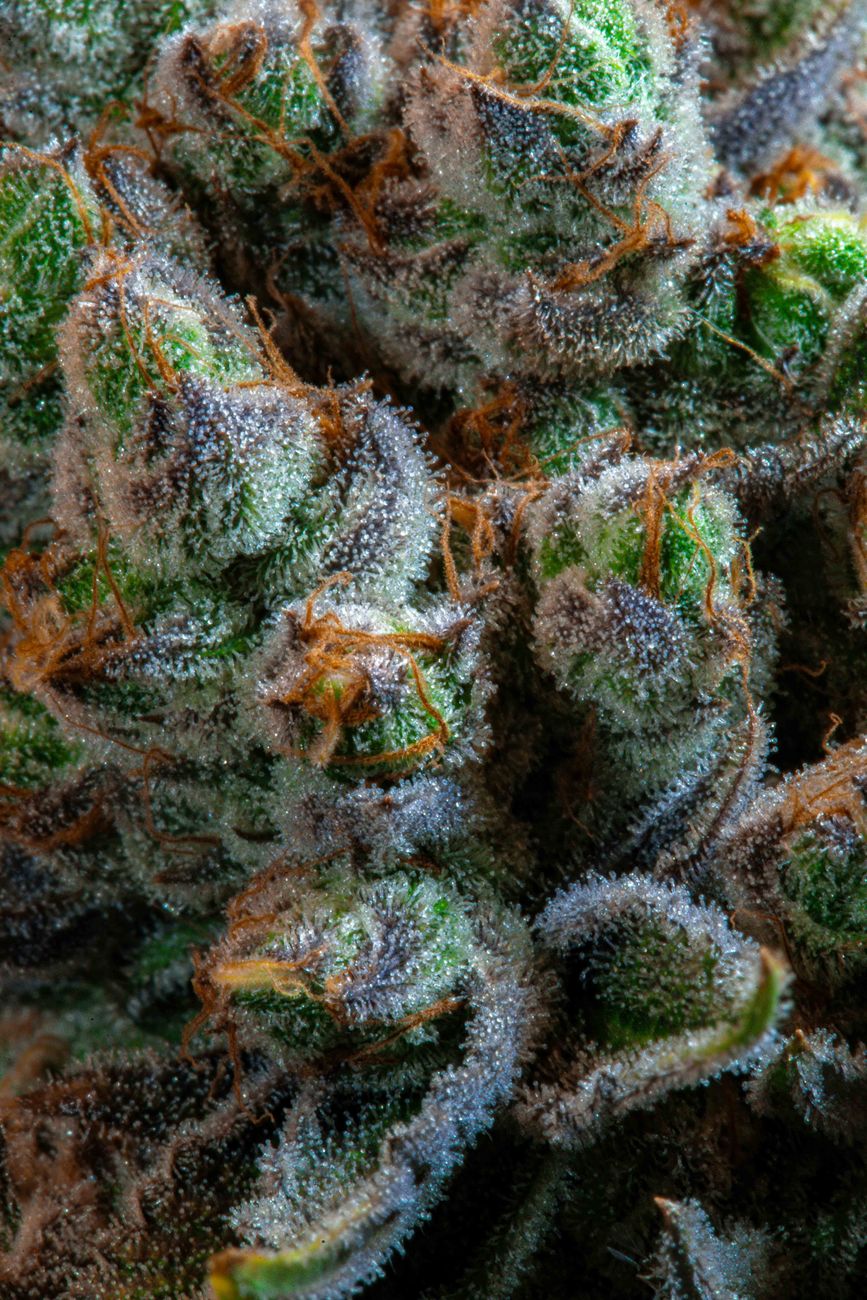
An ounce (28 grams) is typically the largest single purchase size at most Canadian dispensaries. For buyers, it represents the breakpoint where per-gram pricing often drops noticeably. For home growers, it's a useful benchmark: a single indoor plant in a 11-litre fabric pot commonly produces 40 to 80 grams, meaning one decent indoor plant can yield 1.4 to 2.8 ounces.
- 1 ounce = 8 eighths = 28 grams
- 1 quarter ounce = 2 eighths = 7 grams
- 1 half ounce = 4 eighths = 14 grams
- 2 ounces = 16 eighths = 56 grams
If you can remember that one ounce = 8 eighths = 28 grams, you can calculate any other cannabis weight on the fly. That single equation is the foundation of all cannabis math.
How Many Eighths Are in a Pound? (The Full Math)
A pound of cannabis contains exactly 128 eighths. Here's every step of the calculation so you can verify it yourself:
Step 1: Confirm the base units
One pound = 16 ounces. One ounce = 28 grams. One eighth = 3.5 grams (one-eighth of 28 grams).
Step 2: Calculate grams per pound
16 ounces × 28 grams = 448 grams per pound. That's the total gram weight of one pound of cannabis.
Step 3: Divide by grams per eighth
448 grams ÷ 3.5 grams per eighth = 128 eighths. No rounding. No approximation. Exactly 128.
Step 4: Cross-check via ounces
16 ounces × 8 eighths per ounce = 128. Same answer. The math checks out from two directions.
Every cannabis weight question resolves back to 128 eighths per pound. Formula: Pounds × 16 × 8 = total eighths. Or: Pounds × 128 = total eighths (simplified).
Worked example: You're growing 4 plants that each yield 80 grams (a realistic indoor result for a well-grown autoflowering strain). Total harvest = 320 grams. Divide by 3.5 = roughly 91 eighths. Divide by 128 = 0.71 pounds. You're most of the way to a pound from just 4 plants growing legally under the Cannabis Act.
128 is the number to memorize. Everything else is just multiplying or dividing by it. A pound is a useful planning target for home growers because it represents roughly one year's personal supply for moderate consumers.
What Each Cannabis Size Looks Like in Real Life
Weights on paper don't always match visual expectations, especially because cannabis density varies dramatically by strain. Airy, fluffy sativa buds can look twice as large as dense indica nugs of identical weight.
Here's a rough visual guide, with the caveat that dense genetics will always look smaller than fluffy ones at the same weight:
- 1 gram: Roughly the size of a grape. A single small nug or a few smaller pieces.
- 3.5 grams (eighth): Roughly the size of a kiwi or a loosely filled sandwich bag corner. 2 to 4 medium nugs.
- 7 grams (quarter): Fills the palm of an average-sized hand loosely. 4 to 8 medium nugs.
- 14 grams (half ounce): A dense handful. Enough to fill a small mason jar partway.
- 28 grams (ounce): Fills a small mason jar. A noticeable bag by weight.
- 112 grams (quarter pound): Significantly heavy in hand. Requires proper airtight storage.
- 448 grams (pound): About the weight of a large hardcover book. A substantial harvest.
Dense indica genetics consistently produce tighter, heavier buds that look deceptively small for their weight. Lighter sativa or hybrid phenotypes produce fluffier buds that fill containers faster but weigh less per cubic centimetre. This is worth knowing when you're judging a harvest by eye versus by scale.
Always weigh by scale, not by volume. A digital kitchen scale accurate to 0.1 grams costs under $20 CAD and removes all visual ambiguity. Bud density varies too much to eyeball reliably.
Home Grow Yield Math: What Can 4 Plants Produce in Canada?
Under Canada's Cannabis Act (2018), each household may grow up to 4 plants for personal use. According to Health Canada, this limit applies per dwelling, not per adult. Planning your yield in grams and eighths is the smartest way to choose the right genetics before germination.
Aggregated grower journals and breeder documentation give us solid yield benchmarks for the most common setups:
| Setup | Grams / Plant | 4-Plant Total (g) | Eighths | Fraction of a Pound |
|---|---|---|---|---|
| Indoor auto, 11 L pot, 18/6 LED | 80-120 g | 320-480 g | 91-137 | 0.71-1.07 lbs |
| Indoor photo, 19 L pot, optimized | 150-250 g | 600-1000 g | 171-286 | 1.34-2.23 lbs |
| Outdoor auto, Canadian summer | 60-100 g | 240-400 g | 68-114 | 0.53-0.89 lbs |
| Outdoor photo, long-season zones | 200-500 g | 800-2000 g | 228-571 | 1.79-4.46 lbs |
Looking at the pattern across public grower journals and the questions growers ask most often during harvest planning: the most common disappointment is expecting photoperiod yields from an autoflower grow setup. Autos grown in 7 L pots with inconsistent lighting often land at 40 to 60 grams per plant, not 100 to 120. Choosing the right genetics for your setup matters as much as technique.
Feminized cannabis seeds eliminate the male-plant risk entirely, meaning all 4 of your legally allowed plants produce buds. That's the most efficient way to maximize yield within the household limit. Autoflower seeds let you run multiple harvests per year indoors, multiplying effective output without exceeding the 4-plant limit at any single moment.
Four well-grown indoor plants can realistically produce 0.7 to 1 pound per cycle with autoflower genetics and up to 2 pounds per cycle with optimized photoperiod grows. Genetics selection is the biggest yield variable , more than pot size, light brand, or feeding schedule.
What Happens If You Choose the Wrong Genetics for Your Yield Goal?
Two growers. Same 4-plant legal limit. Same space. Same effort. Vastly different outcomes because of one decision made before germination.
- Genetics: Fast autoflower, 70-80 day cycle
- Container: 11 L fabric pot
- Light: 18/6 LED, 600 PPFD
- Yield per plant: 90-110 g
- 4-plant total: 360-440 g (~103-126 eighths)
- Runs per year: 4 indoor cycles
- Annual yield: ~1,440-1,760 g
Outcome: Grower never buys from a dispensary again. Comfortable surplus banked.
- Genetics: Long photoperiod, 12-week flower
- Container: 7 L plastic pot (too small)
- Light: Inconsistent schedule, 12/12 early
- Yield per plant: 40-60 g
- 4-plant total: 160-240 g (~45-68 eighths)
- Runs per year: 1-2 indoor cycles
- Annual yield: ~320-480 g
Outcome: Grower covers roughly 1-2 months of supply. Still spending at dispensaries most of the year.
Bottom line: Genetics choice and container size decided the entire year's outcome before either grower touched a watering can. Getting those two variables right is worth more than any nutrient line or grow gadget.
Common Mistakes With Cannabis Weights (And How to Avoid Them)
Mistake 1: Confusing grams and ounces
Canada uses metric for most things, but cannabis culture imported imperial units from the US. Grams and ounces coexist in the same conversation. The fix is simple: know that 1 ounce = 28 grams and 1 eighth = 3.5 grams. Everything else derives from those two numbers.
Mistake 2: Estimating yield by eye before harvest
Dense indica buds and airy sativa buds look completely different at identical weights. Growers routinely overestimate yields from fluffy genetics and underestimate yields from dense ones. Weigh trimmed, dried, fully cured bud , not wet weight, not guessed volume.
Mistake 3: Planning yield targets from wet weight
Freshly harvested cannabis contains 75 to 80% water by weight. A plant that yields 400 grams wet will produce roughly 80 to 100 grams dry. Using wet weight for planning inflates expectations by a factor of four or five.
Mistake 4: Growing regular seeds under the 4-plant limit
Regular seeds produce roughly 50% male plants, which don't produce usable flower. Growing 4 regular seeds risks ending up with 2 to 3 males that must be culled, leaving you with 1 to 2 productive plants out of your 4-plant allowance. Feminized seeds guarantee female plants and maximize your legal grow limit.
Mistake 5: Ignoring curing time in harvest planning
Properly cured cannabis loses another 5 to 10% of its dry weight during a 2 to 4 week cure. Factor this into your eighths math. 100 grams dry might finish as 90 to 95 grams cured , still 25 to 27 eighths, but worth accounting for in a tight personal supply calculation.
The two most impactful corrections any home grower can make: switch to feminized seeds, and always weigh cured dry bud rather than estimating. Those two habits alone close most of the gap between expected and actual yield.
The Simple Rule Most Growers Miss
Patterns from aggregating public grower forum data show that the vast majority of low-yield complaints trace back to genetics that weren't suited to the grow environment , not deficiencies, not light problems, not overwatering. Choosing high-yielding, proven genetics is the single highest-leverage decision in any grow.
Which Cannabis Size Should You Buy or Grow Toward?
The right purchase size or yield target depends on consumption rate, storage conditions, and how often you want to buy or grow. Here's a direct decision framework:
- Trying a new strain → Buy a gram or an eighth (3.5 g). Low commitment, test the effects first.
- Regular daily consumer → Quarter (7 g) to half ounce (14 g). Reduces purchase frequency without excess.
- Planning a 30-60 day supply → Ounce (28 g). Most dispensaries offer the best per-gram price at this tier.
- Home grower, 4-plant limit → Target 80-120 g per autoflower plant; aim for 320-480 g total per cycle.
- Maximum legal home yield → 4 feminized photoperiod plants in 19 L pots, optimized indoor, can approach 2 lbs per cycle.
- Matching supply to annual consumption → Average moderate consumer uses roughly 1 gram per day = ~365 g/year = ~104 eighths = ~0.8 lbs annually.
Ready to maximize what your 4-plant legal grow produces? Browse our feminized and autoflower genetics selected for Canadian home grows.
Browse Feminized SeedsFrequently Asked Questions: Cannabis Weights Explained
How many eighths are in a pound of weed?
How many grams is an eighth?
How many eighths are in an ounce?
How many grams is a pound of weed?
How many quarters are in a pound?
How many ounces are in a pound of weed?
Can a home grower legally produce a pound in Canada?
Why does my eighth look smaller than I expected?
What is a quarter pound (QP) of cannabis in grams?
How many joints can you roll from an eighth?
How do I calculate how many eighths my harvest will produce?
Why didn't my plant yield what the breeder's data said?
What's the difference between dry weight and wet weight?
How many plants do I need to grow a pound indoors in Canada?
Is a half ounce 14 grams?
Do all Canadian provinces allow home growing?
My autoflower stalled at week 6 , why?
Should I grow autoflowers or photoperiod plants to maximize my 4-plant yield in Canada?
What is a zip of weed?
How much does a pound of cannabis cost to grow at home in Canada?
Know your numbers. Now choose the genetics that deliver them. Browse our full collection of Canadian-ready cannabis seeds.
Shop All Cannabis SeedsSources
Shop Premium Cannabis Seeds
Browse our curated selection of cannabis seeds, carefully chosen for Canadian growers. Fast shipping, germination guarantee, and discreet packaging across Canada.
Explore more seed categories: