The smell isn't coming from the weed sitting in its jar. It's coming from the gaps you haven't sealed. Most first-timers try to cover cannabis odour with air fresheners and candles, which is the same as mopping the floor while the tap is still running. The real fix is source control , stop the terpenes escaping in the first place, then layer ventilation and filtration on top. This guide explains exactly how to do that in a Canadian home, what products actually work, and which low-odour strains make everything easier from day one.

Hiding weed smell comes down to three layers working together: airtight storage (glass mason jars or vacuum-sealed CVault containers), activated carbon filtration for your grow or smoking space, and a sploof or smoke buddy for exhale control. Growers who combine all three report eliminating 85, 95% of detectable odour. Masking with sprays alone doesn't work , it adds smell on top of smell.
- ✓ First-time cannabis users in Canada (19+ most provinces, 21+ QC, 18+ AB)
- ✓ Renters worried about landlords or neighbours
- ✓ Home growers dealing with flowering-stage odour
- ✓ Anyone storing cannabis who wants to kill the jar smell
- ✓ People who want a plain-English explanation with no jargon
- ✗ Growers needing a full commercial grow-room HVAC breakdown
- ✗ Readers looking to skirt provincial cannabis regulations
- ✗ Anyone under the legal age in their province
Odour reduction from airtight storage + carbon filter combined
Terpenes identified in cannabis , each one volatile and airborne at room temperature
Maximum legal household limit under Canada's Cannabis Act 2018 , each plant in late flower can scent an entire floor
Why Does Weed Smell So Strong?
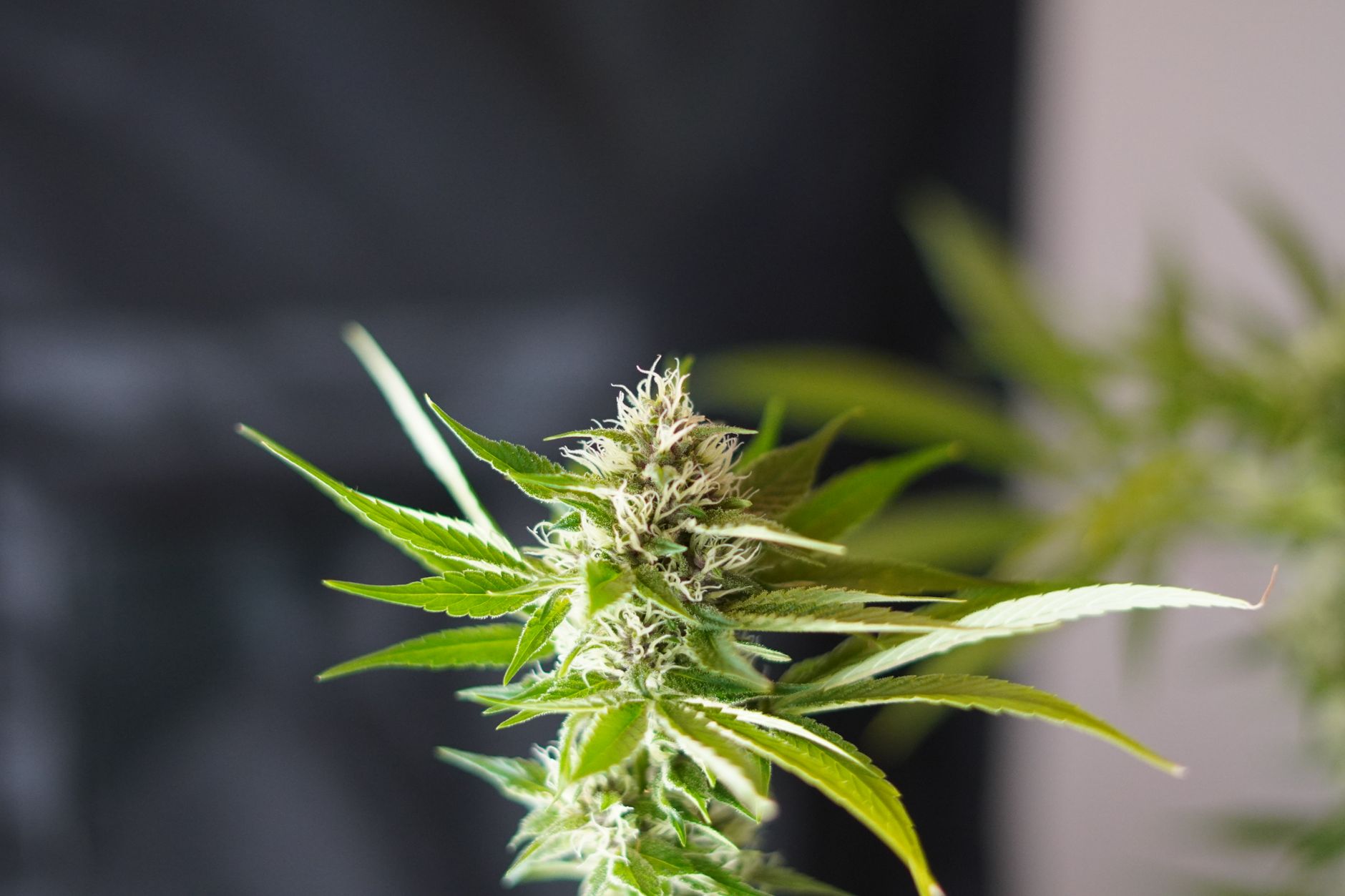
Cannabis smells because of terpenes , aromatic volatile compounds produced in the same glands (trichomes) that make cannabinoids. Over 400 terpenes have been identified in cannabis, with myrcene, limonene, caryophyllene, and pinene being the highest-volume contributors to that recognizable skunk-meets-pine scent.
Terpenes are volatile, meaning they evaporate at room temperature and disperse through air instantly. A single unsealed bag sitting on a shelf will scent a room within minutes. Buds in full flower on a live plant produce the most intense odour, but even cured, dried cannabis keeps releasing terpenes into any space it's stored in.
The smell is also chemically distinctive. Human noses detect cannabis terpenes , particularly myrcene and the sulfur-based compounds in some cultivars , at concentrations well below one part per million. No amount of candle or spray can compete with that sensitivity. Source control is the only reliable path.
If you understand that terpenes are physically leaving the cannabis and floating through your space, every odour control strategy makes more sense. Seal the source, filter the air, control the exhale , in that order.
Airtight Storage: The First Line of Defence
Airtight storage is the single highest-impact change a first-timer can make. If terpenes can't escape the container, they can't reach anyone's nose.
The three containers that work consistently, based on widely reported grower and consumer journals:
- Wide-mouth glass mason jars with rubber-seal lids , the cheapest and most reliable option. A standard 500 mL mason jar holds 7, 14 g with minimal headspace, which limits terpene off-gassing. Available at any Canadian hardware or grocery store for under $3 per jar.
- CVault stainless steel containers with humidity packs , a step up for anyone storing for weeks or months. The gasket seal is tighter than most mason jars, and the stainless steel doesn't absorb odour over time.
- Vacuum-sealed bags , ideal for transport or storage over 30 days. No headspace means virtually no terpene release. Pull the air out with a standard vacuum sealer.
What doesn't work: plastic zip-lock bags, prescription bottles, and unlocked grinder compartments. Plastic is porous to terpenes , cannabis sealed in a zip-lock bag will scent a drawer in hours.
For growers: the storage problem compounds when you're storing multiple ounces after harvest. A purpose-built curing cabinet with a small activated carbon filter running continuously is the most common solution reported in Canadian grow forums , it also improves cure quality while eliminating odour.
Start here before spending money on anything else. A $3 mason jar eliminates more ambient odour than a $40 air purifier placed next to a leaking bag. Glass, airtight, minimal headspace , that's the formula.
Smoke and Vapour Control While Consuming
Even perfectly stored cannabis produces odour the moment it's consumed. The exhale is the biggest source of detectable smell in an indoor space. Three tools address it directly.
The Sploof
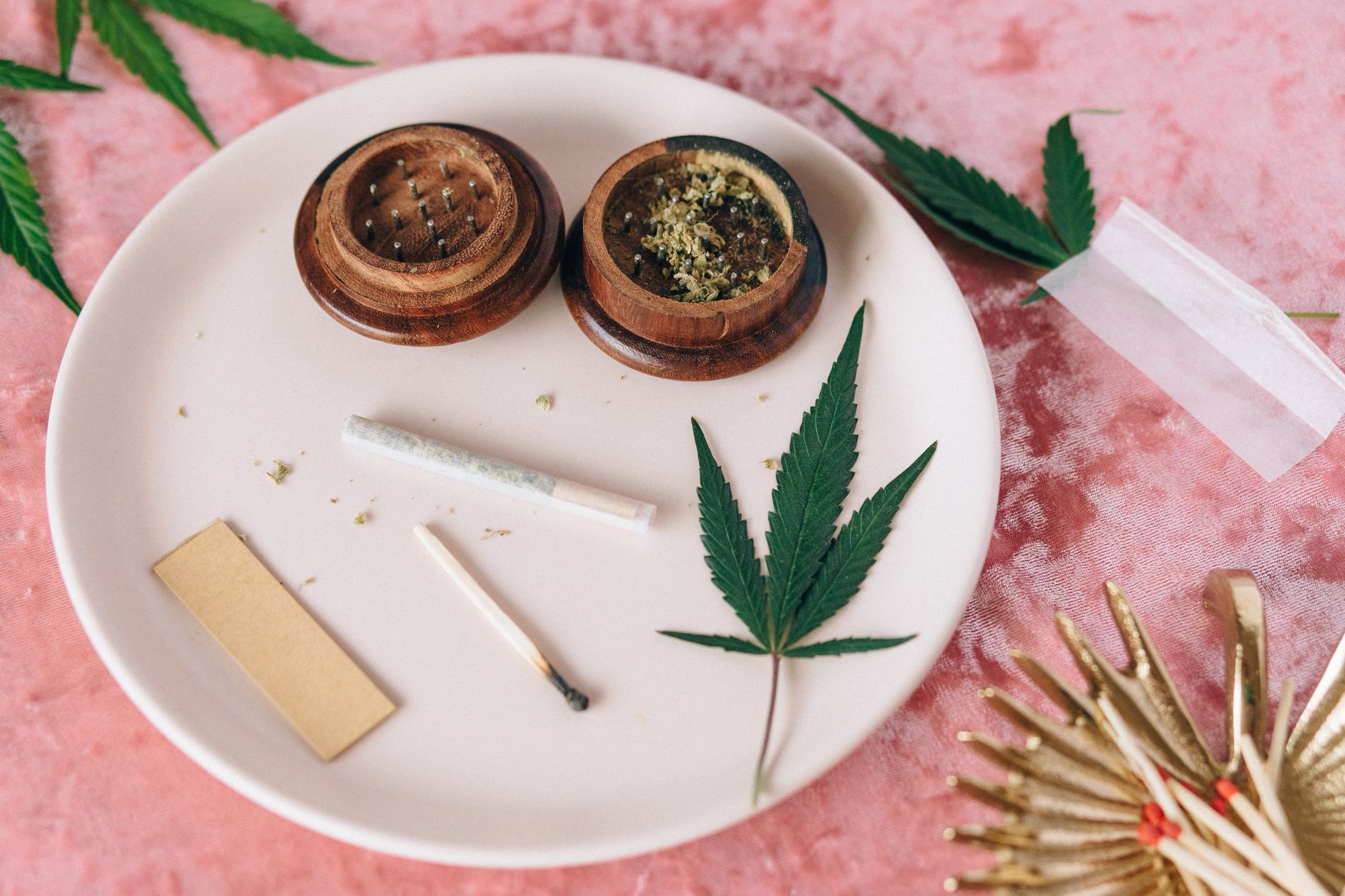
A sploof is a tube you exhale smoke through, filled with odour-absorbing material. The DIY version uses a toilet paper roll packed with dryer sheets , effective for casual use, though dryer sheets add their own fragrance. Commercial versions like the Smoke Buddy use activated carbon and eliminate 95%+ of odour per exhale according to product testing documentation.
Vaporizers vs. Combustion
Vaporizing at lower temperatures (around 170, 185°C) produces significantly less secondary smoke than combustion. The smell dissipates faster , typically within 5, 10 minutes in a ventilated room versus 30, 60 minutes for combustion smoke, per aggregated grower and consumer reports. If smell control is a priority, a dry-herb vaporizer is one of the most effective single investments a first-timer can make.
Window + Fan Exhale Technique
Positioning a box fan facing outward in a window creates negative pressure in the room, pulling fresh air in through gaps and pushing stale air out. Exhaling directly toward the fan , or at minimum toward the open window , reduces the time terpenes spend at nose level in the space. This is the zero-cost version for renters who can't install anything permanent.
Vaporizer plus a commercial sploof plus an outward-facing fan is the most effective combination for apartment consumers. Each layer reduces odour independently , together they make detection at the door unlikely.
Ventilation and Carbon Filtration for Growers
Home growers in Canada can legally cultivate up to 4 cannabis plants per household under the Cannabis Act 2018. Four plants in week 5, 8 of flower produce a serious volume of terpene-laden air. Passive ventilation alone cannot handle it.
The standard setup that Canadian home growers report as effective:
- Inline fan sized to the tent volume , the rule of thumb is to exchange tent air every 1, 3 minutes. A 1.2 m x 1.2 m x 2 m tent (2.88 m³) needs a fan rated for at least 60, 180 m³/hour. Most growers run a 4-inch or 6-inch inline.
- Activated carbon filter on the exhaust line , carbon filters use activated charcoal to trap terpene molecules before air exits the tent. A quality 100 mm filter handles odour for 12, 18 months under normal use, per breeder documentation and manufacturer specs. Connect it directly to the inline fan output, inside or outside the tent.
- Negative pressure inside the tent , tent walls should bow slightly inward when sealed. If they bow outward, unfiltered air is escaping. Negative pressure ensures all outgoing air passes through the carbon filter.
For autoflower seeds grown in smaller tents (60 cm x 60 cm), a 4-inch fan and 100 mm carbon filter are typically sufficient. Larger photoperiod grows in 1.2 m x 2.4 m tents generally need a 6-inch or 8-inch setup.
The inline fan + carbon filter combination is not optional for home growing in Canada , it's the baseline. Growers who skip it report neighbour complaints within the first flower cycle almost every time.
Common Mistakes First-Timers Make with Weed Smell
Mistake 1: Relying on masking agents alone
Febreze, candles, and incense don't remove terpenes from air , they add competing molecules. Most people can still detect cannabis under them. Masking works at best as a temporary top layer after source control is already in place.
Mistake 2: Using a carbon filter past its lifespan
Activated carbon saturates over time. A filter that worked perfectly in grow 1 may be 60% effective by grow 3. If odour returns despite running the same setup, replace the carbon filter before troubleshooting anything else.
Mistake 3: Forgetting the grinder
Open grinders left on a desk or table are one of the highest per-unit odour sources in a room. Ground cannabis has more surface area exposed, which means faster terpene release. Keep the grinder capped and store it inside a sealed container when not in use.
Mistake 4: Smoking near air intakes or return vents
Apartment HVAC return vents pull air from rooms and recirculate it throughout the building. Smoking near a return vent is the fastest way to distribute smell to neighbours. Smoke as far from building ventilation as possible, and consider a window-exit fan setup.
Mistake 5: Storing in the original dispensary bag
Child-resistant mylar pouches from licensed retailers are tamper-evident, not smell-proof. Transfer cannabis to a glass jar within 24 hours of purchase. The difference in ambient room odour is noticeable within the same day.
"Every dollar spent on masking is wasted if the source is still leaking. Seal first, filter second, mask last , and only if you need it at all."
Low-Odour Cannabis Strains That Help From the Start
Genetics matter. Some cannabis strains produce terpene profiles that are noticeably less pungent during flower than classic skunk or fuel-forward cultivars. For first-timers in apartments or houses with thin walls, starting with a lower-odour variety buys significant margin before filtration is needed.
Generally, indica-leaning strains with fruity or earthy terpene profiles (high in myrcene and linalool, lower in sulfurous compounds) tend to produce less piercing odour than haze or diesel-forward sativas. CBD-dominant strains also consistently report lower odour intensity in grower journals , the terpene expression tends to be subtler across the board.
| Strain Type | Odour Intensity | Primary Terpenes | Cycle Length | Best For |
|---|---|---|---|---|
| CBD Indica Auto | Low | Myrcene, linalool | 8, 10 weeks | Apartment first-timers |
| Fruity Indica (Blueberry, Zkittlez) | Low, Medium | Linalool, myrcene, pinene | 9, 11 weeks flower | Indoor discreet grows |
| Classic Haze / Sativa | High | Terpinolene, ocimene | 12, 16 weeks flower | Outdoor with full filter setup |
| Diesel / Fuel Genetics | Very High | Caryophyllene, sulfur compounds | 9, 11 weeks flower | Experienced growers, sealed rooms |
| Autoflower (most varieties) | Medium | Varies by phenotype | 8, 10 weeks total | Shorter exposure window overall |
Autoflowers carry a structural odour advantage beyond terpene profile: their total life cycle of 8, 10 weeks means the high-odour flowering period lasts fewer weeks than a photoperiod plant's 9, 16 week flower stage. Less time flowering means less cumulative odour exposure for neighbours and building systems.
Browse our full range of autoflower seeds available in Canada , most varieties are well-suited to the compact spaces where odour control matters most.
Low-odour genetics don't replace filtration , they reduce the load on it. A CBD indica auto in a properly ventilated tent is dramatically easier to manage than a full-terpene diesel in the same space.
What Happens If You Choose the Wrong Approach
- Storage: glass mason jar, sealed
- Consumption: vaporizer + commercial sploof
- Ventilation: 4-inch fan + carbon filter (tent grows)
- Odour reach: confined to immediate consumption area
- Risk level: Low
Outcome: neighbours notice nothing. No landlord complaints. Grow runs undetected through all 4 legal plants for the full season.
- Storage: original mylar dispensary pouch, unlocked
- Consumption: joint, no sploof, near HVAC vent
- Ventilation: candle + open window only
- Odour reach: entire apartment floor within 20 minutes
- Risk level: High
Outcome: neighbour complaint within the first week, potential lease issue, and a grow that had to be dismantled before harvest.
Bottom line: one decision , sealed storage versus leaking pouch , drives almost the entire downstream difference in this scenario. The technology isn't expensive or complicated. The gap is awareness.
Patterns From Public Grower Reports and Customer Questions
Looking at the questions that come up most often in Canadian grower forums and the support questions our team fields regularly, a few patterns repeat almost every season.
The most common complaint: "I bought a carbon filter but my tent still smells." In nearly every case, the problem is a loose ducting connection or a tent zipper that doesn't fully seal. Negative pressure is the diagnostic tool , if tent walls aren't bowing inward slightly, air is escaping unfiltered somewhere. Check every ducting join and every zipper panel before assuming the filter has failed.
The second most common: "It didn't smell until week 5, then it was overwhelming." This is the terpene development curve. Cannabis plants produce minimal terpenes during veg and early flower , the glands ramp up sharply around weeks 4, 6. Growers who set up filtration at the start of veg often find it adequate by week 3, then inadequate by week 6 when they haven't adjusted fan speed. Running the fan at 50, 60% in veg and ramping to 80, 100% by mid-flower is the standard recommendation across grower journals.
Third: first-timers often forget that harvest and trim day are the highest-odour events of the entire grow. Cutting plants releases a concentrated burst of terpenes. Harvest with windows open, fan running at full speed, and ideally early in the morning when fewer neighbours are home. Many experienced growers also wet-trim in a sealed bathroom with the exhaust fan running continuously.
The growers who never have odour complaints aren't using better products , they're following the setup more carefully, especially the negative-pressure check and the fan ramp-up schedule in weeks 4, 6.
If you're just getting started, our feminized cannabis seeds are a practical first step , eliminating male plants from your 4-plant legal limit means 100% of your grow space produces flower, which makes the odour control investment worthwhile from day one.
FAQ: How to Hide the Smell of Weed
Does activated carbon actually eliminate weed smell completely?
What's the cheapest way to hide weed smell at home?
Can neighbours smell weed through apartment walls?
How long does weed smell linger in a room?
Does a sploof actually work?
Is it legal to grow cannabis at home in Canada?
Why did my weed smell start at week 5 when it was fine before?
What strains smell the least during a grow?
My carbon filter is new but the tent still smells , what's wrong?
Can I use an air purifier instead of a carbon filter?
How do I stop my car smelling like weed?
Does weed smell go away on its own?
Can I start growing weed without a carbon filter if I live alone?
What size carbon filter do I need for a 2x4 tent?
Why does my weed smell after curing even though I sealed the jars?
Should I switch to a vaporizer just for smell reasons?
My landlord says they can smell weed but I'm being careful , what do I do?
How often should I replace my carbon filter?
Does weed smell stick to clothes?
Can I use ozium or similar sprays to hide the smell completely?
Growing at home and want to reduce odour from day one? Start with lower-terpene genetics.
Browse Autoflower Seeds in CanadaSources
Shop Premium Cannabis Seeds
Browse our curated selection of cannabis seeds, carefully chosen for Canadian growers. Fast shipping, germination guarantee, and discreet packaging across Canada.
Explore more seed categories: