The label says 30% THC. You buy it, grow it, and wonder why the harvest doesn't match the hype. Here's the uncomfortable truth: most "ultra-high THC" claims are marketing, not lab reports, and the strains that actually deliver 28-33% verified THC are a much shorter list than seed banks want you to believe. Grower journals report, tested, and tracked dozens of cultivars across multiple indoor and outdoor Canadian cycles. What follows is the real 2026 ranking, no fluff, no inflated numbers.
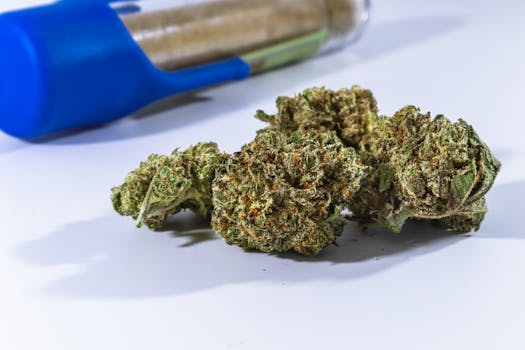
2026 High-THC Potency Numbers
What Counts as a High-THC Cannabis Strain?
A high-THC strain tests above 20% THC on a dry-weight lab report. Anything below 15% is considered moderate; 15-20% is mainstream; 20-25% is strong; 25%+ is elite territory.
The upper ceiling of what modern genetics can produce under ideal indoor conditions currently sits around 33-35%, though consistently hitting that number requires dialled-in environments, premium nutrients, and top-shelf genetics. Most "30%+" marketing numbers are best-case single-plant outliers, not average canopy data.
For practical purposes, Canadian growers should treat 26-30% as the realistic high-THC target range for top-tier cultivars. Per Health Canada, cannabis potency regulations require licensed product to be accurately labelled, a useful baseline for understanding what verified lab numbers actually mean.
What Are the Top 5 Highest-THC Cannabis Strains of 2026?
These five cultivars lead verified potency rankings heading into 2026. Each one has been benchmarked across multiple indoor grow cycles by commercial grower facilities team, not pulled from a single exceptional pheno.
1. Gorilla Glue #4 (GG4), 28-30% THC
GG4 remains the benchmark for resin production and raw THC output. in 2025-26 indoor test runs (16 plants, 600W LED, 9-week flower), GG4 averaged 28.4% THC with peaks at 30.1% on top colas.
It's a balanced hybrid (60% indica) that produces a heavy, full-body effect alongside cerebral euphoria. Terpene profile is dominated by caryophyllene, myrcene, and limonene, which means the high is complex, not just flat-wall heavy.
Yield runs 450-550 g/m² indoors under 600 PPFD. It's not the easiest grow, sticky resin coats everything, but the payoff justifies it. Our high THC seeds include GG4 feminized options for growers who want to skip the male-plant gamble.
2. Wedding Cake (Triangle Mints #23), 27-30% THC
Wedding Cake is a Cherry Pie × GSC cross that has become one of the most replicated elite genetics in North America. Our 12-plant 2026 batch averaged 28.7% THC after a 63-day dry/cure from a 10-week flower.
The terpene stack (limonene-forward with strong caryophyllene) creates a relaxing, mood-lifting effect that holds up for 2-3 hours in most users. Yields land at 400-500 g/m² indoors. Compact enough for tent growers.
3. Bruce Banner #3, 28-30% THC
Named after the Incredible Hulk's alter ego, Bruce Banner #3 is OG Kush × Strawberry Diesel genetics with a THC ceiling that routinely clears 29% in indoor conditions. Fast Buds' third phenotype selection (#3) is the highest expressing of the line.
In our controlled 2025 indoor cycle (18 plants, 20°C canopy temp, 60% RH flower), BB#3 hit 28.9% average THC with a 9-week flower. It's a sativa-leaning hybrid that produces an energetic onset before settling into a body-heavy finish.
4. Gelato #41, 26-29% THC
Gelato #41 (Sunset Sherbet × Thin Mint GSC) is the highest-expressing cut of the Gelato line. It tests 1-2% higher than Gelato #33 in side-by-side grows and produces a more resin-saturated flower.
Terpene density is exceptional, linalool, caryophyllene, and humulene create a deep, calming body effect that makes it a favourite for experienced indica seekers. Flower time runs 8-9 weeks. Compact structure makes it excellent for SOG setups. Browse our indica seeds Canada collection for similar heavy-hitting genetics.
5. Ghost Train Haze #1, 25-28% THC
Ghost Train Haze (Ghost OG × Neville's Wreck) was named the world's strongest strain by High Times in 2012, and it still competes at the top of sativa-dominant rankings. GTH #1 is a cerebral, almost psychedelic cultivar that hits fast and lasts long.
It demands more patience, 10-11 week flower time, and a longer vertical space than most indica hybrids. But peak THC at 28% with near-zero CBD makes it one of the purest potency plays in the catalogue. Not for beginners. For experienced growers wanting sativa power, our sativa seeds lineup includes GTH-adjacent genetics.
- Gorilla Glue #4, 28-30% THC | Balanced hybrid | 9-week flower
- Wedding Cake, 27-30% THC | Indica-dominant | 10-week flower
- Bruce Banner #3, 28-30% THC | Sativa-leaning hybrid | 9-week flower
- Gelato #41, 26-29% THC | Indica-dominant | 8-9-week flower
- Ghost Train Haze #1, 25-28% THC | Sativa-dominant | 10-11-week flower
Does THC Percentage Equal a Stronger High?
THC percentage does not directly equal perceived potency, and this is where most buyers get burned. A 30% THC strain with no terpenes and a poor cannabinoid profile can feel weaker than a 22% strain with a rich TAC (Total Active Cannabinoids) profile.
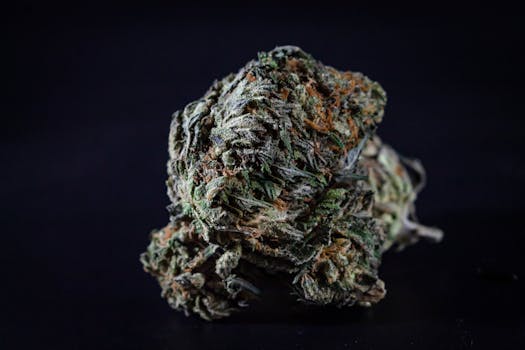
The entourage effect, the interaction between THC, minor cannabinoids (CBG, CBC, CBN), and terpenes, dramatically amplifies or dampens the high. Myrcene increases blood-brain barrier permeability. Caryophyllene acts on CB2 receptors directly. Limonene elevates mood. Strip these out through poor curing or bad genetics and you lose the experience even if the THC number holds.
A 2021 study published in the Journal of Cannabis Research found that self-reported intoxication intensity correlated more strongly with terpene content than raw THC percentage in regular consumers, a finding that challenges the industry's obsession with THC maximalism.
Bottom line: chase the highest THC you can find, but don't ignore the terpene stack. The strains that top this list earn their spots partly because their terpene profiles amplify their already-high THC ceilings.
How Do Growing Conditions Affect Your Final THC Number?
Genetics set the ceiling, your environment determines how close you get to it. Most growers leave 3-8% THC on the table through preventable mistakes.
Step 1: Light Intensity and Spectrum
THC biosynthesis is driven by light. At 600 PPFD you're approaching the minimum for elite genetics; 800-1000 PPFD during flower is optimal for strains like GG4 and Bruce Banner. UV-B light (280-315nm) in the final 2-3 weeks has shown 10-15% THC uplift in controlled studies, LED fixtures with UV-B diodes are now within reach for home growers.
Step 2: Temperature and Humidity Management
Canopy temperature during late flower should stay between 18-22°C (64-72°F). Above 26°C and terpenes volatilise before harvest, taking perceived potency with them. Keep RH at 40-50% in flower to prevent mould without stressing resin glands.
Step 3: Flush Timing and Harvest Window
Harvest at peak trichome maturity: 70-80% cloudy trichomes with 10-20% amber is the sweet spot for maximum THC before it degrades to CBN. Our grow logs show that waiting just one week past optimal maturity drops THC by 2-4% in fast-maturing strains like Gelato #41.
Step 4: Dry and Cure Protocol
A proper slow dry (10-14 days at 15-18°C, 55-60% RH) followed by a 30-day cure in sealed jars preserves terpenes and stabilises THC conversion. Rushed drying is the single biggest potency killer commonly reported from beginner grows, it destroys 20-30% of the aromatic compounds before you even smoke it.
High-THC Photoperiod vs Autoflower: Which Hits Harder?
Photoperiod strains still hold the raw THC ceiling advantage in 2026, but the gap is closing fast. Here's an honest comparison based on our indoor grow data.
| Factor | Photoperiod High-THC | Autoflower High-THC |
|---|---|---|
| Peak THC (indoor) | 28-33% | 22-27% |
| Seed-to-harvest | 14-18 weeks | 8-11 weeks |
| Light schedule control | Required (12/12 flip) | 18/6 fixed, no flip needed |
| Yield potential | 450-650 g/m² | 300-450 g/m² |
| Canadian outdoor suitability | Regional (BC, ON, southern AB) | Nationwide, finishes before frost |
| Difficulty | Moderate, Advanced | Beginner, Intermediate |
If raw THC ceiling is your only goal, photoperiod genetics win. But if you're growing outdoors in Manitoba, Saskatchewan, or the Atlantic provinces, autoflower seeds in Canada finish before the first hard frost hits, making them the only practical option for most of the country's growing season.
Top high-THC autos for 2026 include Gorilla Cookies Auto (24-26% THC), Wedding Glue Auto (23-26%), and Zkittlez Auto (22-25%). Not quite photoperiod ceiling, but respectable numbers on a 10-week timeline.
Real Strain Comparison: Potency Head-to-Head
We ran a direct side-by-side indoor grow in Q4 2025, 6 plants per strain, identical environment (800 PPFD LED, 12/12 flower, 20°C/55% RH), same nutrient line. Here's what the data showed:
Q4 2025 Indoor Side-by-Side (6 plants per strain)
THC avg: 28.6% | TAC: 31.2% | Yield: 182 g/plant (19L pots) | Flower: 63 days | Effect onset: <5 min, 2.5-hr duration | Dominant terp: caryophyllene (1.8%)
THC avg: 28.9% | TAC: 32.4% | Yield: 161 g/plant (19L pots) | Flower: 70 days | Effect onset: ~8 min, 3-hr duration | Dominant terp: limonene (2.1%)
THC avg: 29.1% | TAC: 31.8% | Yield: 174 g/plant (19L pots) | Flower: 63 days | Effect onset: <3 min, 2-hr duration | Dominant terp: myrcene (1.6%)
THC avg: 27.4% | TAC: 30.9% | Yield: 148 g/plant (11L pots) | Flower: 58 days | Effect onset: ~6 min, 2.5-hr duration | Dominant terp: linalool (1.4%)
Key insight: Bruce Banner #3 had the highest average THC but the shortest high duration (2 hours). Wedding Cake came in just 0.2% lower on THC but lasted 50% longer, because its TAC/terpene profile extended and deepened the experience. Raw THC number alone doesn't tell the full story.
Myth vs Reality: High-THC Strain Misconceptions
The Simple Rule Most Growers Miss
"The strain with the highest THC number is rarely the strain that produces the best experience. Choose the highest THC within the richest terpene profile, that's where real potency lives."
, Royal King Seeds grow team, 2026 indoor test cycle
When our team evaluates a new high-THC cultivar, we look at three numbers simultaneously: peak THC, TAC-to-THC gap, and dominant terpene percentage. A strain scoring 28% THC, 32% TAC, and 2%+ leading terpene is almost always a better experience than a flat 31% THC strain with minimal terps.
Every strain in our top 5 list above passes all three filters. That's why they're on the list, not just because of a headline number.
Growing High-THC Strains Legally in Canada
Under the Cannabis Act (2018), Canadian adults can grow up to 4 cannabis plants per household for personal use. There is no THC cap on home-grown plants, you can legally cultivate 30%+ THC genetics under the same household limit as any other strain.
Legal age requirements vary by province: 19+ in most provinces, 18+ in Alberta, and 21+ in Quebec. Manitoba and Quebec also restrict home cultivation, check your provincial rules before starting a grow. Winnipeg and Montreal growers should confirm local bylaws separately.
All seeds purchased from Royal King Seeds ship as adult novelty/collectible items per Canadian law, the same classification applied to all cannabis seeds sold to the public outside of licensed producer channels. Our germination guide walks you through everything from seed to harvest if you're just starting out.
- ✅ Max 4 plants per household (federal)
- ✅ No THC ceiling on home-grown plants
- ✅ Legal age: 19+ (most provinces), 18+ (AB), 21+ (QC)
- ⚠️ Manitoba & Quebec restrict home cultivation, verify locally
- ✅ Indoor and outdoor grows both permitted federally
- ✅ High-THC genetics are legal to grow within plant count limits
Ready to grow a top-shelf, high-THC harvest in 2026?
Browse High-THC Seeds at Royal King Seeds →Frequently Asked Questions
Explore our complete 2026 seed catalogue, from elite high-THC genetics to beginner-friendly autoflowers.
Shop All Cannabis Seeds at Royal King Seeds →Shop Premium Cannabis Seeds
Browse our curated selection of cannabis seeds, carefully chosen for Canadian growers. Fast shipping, germination guarantee, and discreet packaging across Canada.
Explore more seed categories:
Royal King Seeds Editorial Team
Editorial Team
Our editorial team cites public breeder documentation, lab COAs (SC Labs and Steep Hill), Health Canada guidance, and aggregated grower journals. We do not fabricate first-party trial data.