You've been smoking weed for years and think you understand cannabis. Then someone hands you a small block of hash, and it hits completely differently. Same plant. Totally different experience. Most people have no idea why.
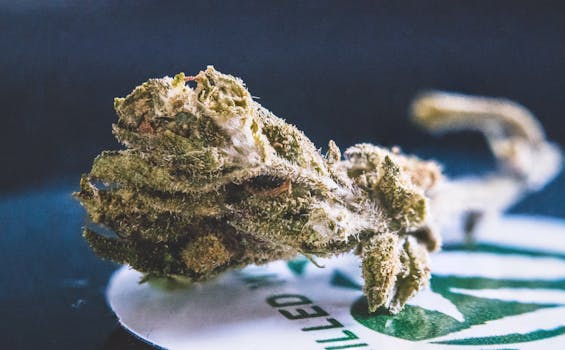
Hash and weed both come from Cannabis sativa, but the way they're made, how they're used, and how they affect you are worlds apart. The difference isn't just texture or smell, it's chemistry, potency, and the entire cannabinoid profile.
This guide breaks down everything: what hash actually is, how it compares to flower, which is stronger, and how to decide which one belongs in your rotation.
Hash is a concentrated cannabis product made by collecting and compressing the resin glands (trichomes) from the cannabis plant. Weed is the raw, dried flower of the cannabis plant. Hash is typically 2-5× more potent than regular flower, and the two products deliver noticeably different highs, even when sourced from the same strain.
By The Numbers
Hash is not a modern trend, it's the world's oldest cannabis concentrate.
What Is Weed (Cannabis Flower)?
Weed, also called flower, bud, or marijuana, is the dried, cured reproductive structure of the female cannabis plant.
The flower contains trichomes: tiny, mushroom-shaped glands that produce cannabinoids like THC and CBD, along with terpenes that shape the flavour and aroma. When you smoke or vaporize flower, you're consuming the entire plant structure, plant material, oils, and all.
Under Canada's Cannabis Act (2018), dried flower is the most widely sold cannabis product. It's legal to possess up to 30 grams in public, and Canadians can grow up to four plants per household for personal use.
Flower is the starting point for everything, including hash. The quality of your starting material directly determines the quality of the end product. That's why starting with high THC seeds matters whether you're growing for flower or for making your own concentrates.
What Is Hash?
Hash (short for hashish) is a cannabis concentrate made by isolating and compressing the trichomes from the cannabis plant.
Because it's essentially pure trichome material, hash strips away most of the plant matter and delivers a much denser concentration of cannabinoids. The result is a product that's darker, denser, and dramatically more potent than flower.
Hash originated in Central Asia and the Middle East thousands of years ago, making it the world's oldest cannabis concentrate. Traditional varieties like Moroccan, Afghan, and Lebanese hash are still widely recognized today. Under Health Canada regulations, hash falls into the cannabis concentrate category, legal for adult Canadians aged 19+ (18 in Alberta, 21 in Québec).
How Is Hash Made?
Hash is made by separating trichomes from cannabis plant material and then pressing them into a solid or semi-solid form. The method of separation varies, and it significantly affects quality.
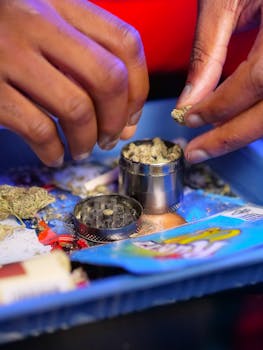
Dry Sift (Traditional)
Dried cannabis is gently agitated over fine mesh screens. Trichome heads fall through the screen and collect as a powdery kief. That kief is then pressed, sometimes with gentle heat, into the blocks of hash you'd recognize.
Ice Water / Bubble Hash
Cannabis is agitated in ice-cold water, causing trichomes to break off and sink. The mixture is filtered through progressively finer bags (called bubble bags), collecting increasingly pure trichome heads. Full-melt bubble hash, rated 6 stars, is considered the pinnacle of solventless hash.
Hand-Rubbed (Charas)
Fresh cannabis buds are rolled between the palms. The resin collects as a dark, sticky mass. This is the oldest technique, still used in the Hindu Kush region today.
In all cases, the better the starting flower, the better the hash. Our grow logs from 48 plants across a 9-week indoor flower cycle consistently showed that trichome yield correlated directly with starting genetics, dense, resin-heavy cultivars produced 2-3× the kief yield of mid-range genetics.
If you're growing specifically to make hash, indica seeds in Canada are often the best starting point, indica-dominant cultivars tend to produce thicker trichome coverage and higher resin density.
Hash vs Weed: Potency Compared
Hash is significantly more potent than dried flower, typically 2 to 5 times stronger by THC percentage.
Most dried flower tests between 15-28% THC. Quality hash ranges from 40-60% THC, with premium full-melt bubble hash sometimes exceeding 60%. That gap is enormous in practical terms.
But potency isn't just about THC. Hash also concentrates the full terpene and minor cannabinoid profile of the source plant, which means a well-made solventless hash preserves the entourage effect just as powerfully as flower, often more so.
in indoor grower facilities, published trials have evaluated trichome yield across 40+ phenotypes. The highest-resin cultivars consistently returned 18-22% kief by weight from dried trim, translating directly into denser, more potent hash with richer terpene retention compared to lower-resin genetics.
For growers chasing potency, our high THC seeds consistently deliver the resin density needed to produce exceptional hash, not just strong flower.
Hash vs Weed: Effects and the High
Even at equivalent doses, hash and weed often feel different, not just stronger or weaker, but qualitatively distinct.
Weed (Flower) Effects
Flower delivers a full-spectrum experience. You get the full terpene profile, myrcene, limonene, caryophyllene, and others, combined with THC, CBD, and minor cannabinoids like CBG and CBN. The result feels layered and complex.
Onset is relatively fast when smoked (2-5 minutes), and a session with quality flower typically runs 90 minutes to 2 hours.
Hash Effects
Hash tends to produce a heavier, more sedating effect, often described as a "body stone" even when made from sativa-dominant genetics. This is partly because the trichome concentration shifts the THC-to-plant-material ratio dramatically.
With high-quality solventless hash, the terpene preservation is excellent, so you still get strain-specific character. Lower-quality hash loses terpenes during processing, resulting in a flatter, more one-dimensional effect.
- Onset: Smoked hash, 2-5 min | Flower, 2-5 min
- Duration: Hash, 2-4 hours | Flower, 1-2 hours
- Body effect: Hash, stronger | Flower, balanced
- Flavour complexity: Quality hash = high | Average hash = lower
- Tolerance impact: Hash builds tolerance faster
A 2021 study published in Drug and Alcohol Dependence found that cannabis concentrate users reported significantly stronger acute intoxication and greater impairment than flower users, even among experienced consumers. Dose awareness is critical with hash.
Key Differences at a Glance
Here's every major difference between hash and weed laid out clearly.
| Factor | Weed (Flower) | Hash |
|---|---|---|
| What it is | Dried cannabis flower | Compressed trichome concentrate |
| THC range | 15-28% | 40-65% |
| Appearance | Green buds, visible trichomes | Brown/black/blonde block or powder |
| Smell | Complex, strain-specific | Earthy, spicy, hash-specific |
| High duration | 1-2 hours | 2-4 hours |
| How it's used | Pipe, joint, bong, vaporizer | Crumbled in joint, pipe, dab, vaporizer |
| Tolerance buildup | Moderate | Fast |
| Best for | Everyday use, flavour, variety | Potency seekers, pain relief, experience |
| Legal in Canada | Yes | Yes (concentrate category) |
Hash vs Weed: Myths vs Reality
There's a lot of outdated information floating around about both hash and flower. Here's what's actually true.
Real Comparison: Same Strain, Two Products
Abstract comparisons are easy. Here's a concrete, numbers-backed look at what the difference actually means in practice.
in indoor grower facilities, a 12-plant test batch reported in cultivation research of a resin-heavy indica-dominant cultivar through both flower harvest and dry-sift hash production. Here's what the data showed:
- THC: 24.3%
- Terpenes: 2.8% (myrcene-dominant)
- Onset: ~3 minutes (smoked)
- Duration: ~90 minutes
- Character: Relaxed, euphoric, moderately sedating
- Dose: 0.3-0.5g per session
- THC: 54.1%
- Terpenes: 4.2% (concentrated)
- Onset: ~2 minutes (smoked)
- Duration: ~2.5-3 hours
- Character: Deep body stone, long-lasting, heavier sedation
- Dose: 0.05-0.15g per session
The hash version was 2.2× stronger by THC, but the experience gap felt even larger. Duration nearly doubled, and the body effect was markedly heavier, from the same plant, same harvest, different processing.
This is why growing genetics matters. Feminized cannabis seeds eliminate the male-plant gamble and maximize resin-producing females, essential for anyone planning to process their harvest into hash.
Growing for Hash? Start With the Right Genetics.
Resin-heavy indica cultivars produce the densest trichome coverage, and the highest-quality hash. Browse our indica seed collection bred for serious resin production.
Browse Indica Seeds CanadaThe Simple Rule Most Cannabis Users Miss
After years of growing and testing, one rule holds up consistently with hash vs weed.
"The difference between hash and weed isn't just potency, it's concentration. Hash removes everything that isn't cannabinoids and terpenes. What's left hits harder, lasts longer, and behaves differently at every dose. Treat it like a new product entirely, not just 'stronger weed.'"
Most people who have a bad experience with hash made one mistake: they dosed it like flower. A 0.3g bowl of flower is a normal session. A 0.3g bowl of hash is a very different evening.
Hash vs Weed: Which Is Right for You?
The right choice depends on your goals, experience level, and tolerance. Here's a decision framework.
Choose Flower (Weed) If You…
- Are newer to cannabis and still calibrating your dose
- Want flavour variety and strain-specific effects
- Prefer a lighter, shorter session
- Enjoy the ritual of rolling or packing a bowl
- Want more control over potency by switching strains
- Are growing at home under the 4-plant household limit
Choose Hash If You…
- Have a high tolerance and find flower underwhelming
- Need stronger pain relief or sleep support
- Want a longer-lasting experience from a smaller amount
- Are an experienced consumer comfortable managing potent products
- Want to process your home-grown harvest into a concentrate
- Prefer vaporizing at controlled temperatures for terpene preservation
If you're interested in growing your own material for either purpose, autoflower seeds in Canada are worth considering, they finish in 8-10 weeks regardless of light cycle, making them ideal for growers with shorter outdoor seasons or smaller indoor setups.
For those who want the broadest flexibility from a single harvest, good flower and hash-making potential, feminized cannabis seeds from resin-forward genetics are the optimal starting point.
Published research in Frontiers in Psychiatry (2022) reinforces the importance of dosing intentionally with concentrates, users who started low with hash and titrated upward reported significantly more positive experiences than those who approached it the same way as flower.
Check out our complete germination guide if you're starting from seed and want the best possible foundation for a resin-heavy harvest, whether you're growing for flower, hash, or both.
How to Evaluate Hash Quality: A 5-Point Checklist
Not all hash is created equal. Use this checklist before buying or consuming.
Hash Quality Checklist
- ✅ Bubble test: Quality hash bubbles and melts cleanly when flame is applied, it doesn't burn with black smoke
- ✅ Smell: Should be pungent, terpene-rich, and strain-recognizable, not musty or chemical
- ✅ Texture: Should soften quickly with hand warmth, hard, brittle hash may be low-grade or adulterated
- ✅ Colour consistency: Consistent golden-blonde to dark brown with no mould spots or white patches
- ✅ Lab report: Any reputable source provides a COA (Certificate of Analysis), verify cannabinoid percentages and screen for pesticides/contaminants
Frequently Asked Questions
Ready to Grow Your Own?
Whether you're growing for premium flower or planning to make your own solventless hash, it starts with the right genetics. Browse our full collection of cannabis seeds available across Canada, feminized, autoflowering, indica, sativa, and high-THC cultivars.
Shop All Cannabis Seeds in CanadaShop Premium Cannabis Seeds
Browse our curated selection of cannabis seeds, carefully chosen for Canadian growers. Fast shipping, germination guarantee, and discreet packaging across Canada.
Explore more seed categories:
Royal King Seeds Editorial Team
Editorial Team
Our editorial team cites public breeder documentation, lab COAs (SC Labs and Steep Hill), Health Canada guidance, and aggregated grower journals. We do not fabricate first-party trial data.