Most growers who fail with Grand Daddy Purp make the same early mistake: they chase the colour before they nail the climate. The purple you see in dispensary photos isn't automatic , it requires a deliberate temperature drop in the final two weeks, and skipping that step leaves you with a generic green indica that doesn't live up to its reputation. Grand Daddy Purp (GDP) is genuinely one of the most rewarding strains in the cannabis catalogue, delivering 17-23% THC, a grape-and-berry terpene profile, and a sedating body effect that most modern hybrids can't match. But it rewards growers who understand its quirks. This guide gives you the honest picture: genetics, yields, environment, common mistakes, and exactly how to coax those legendary purple colours out of every run.
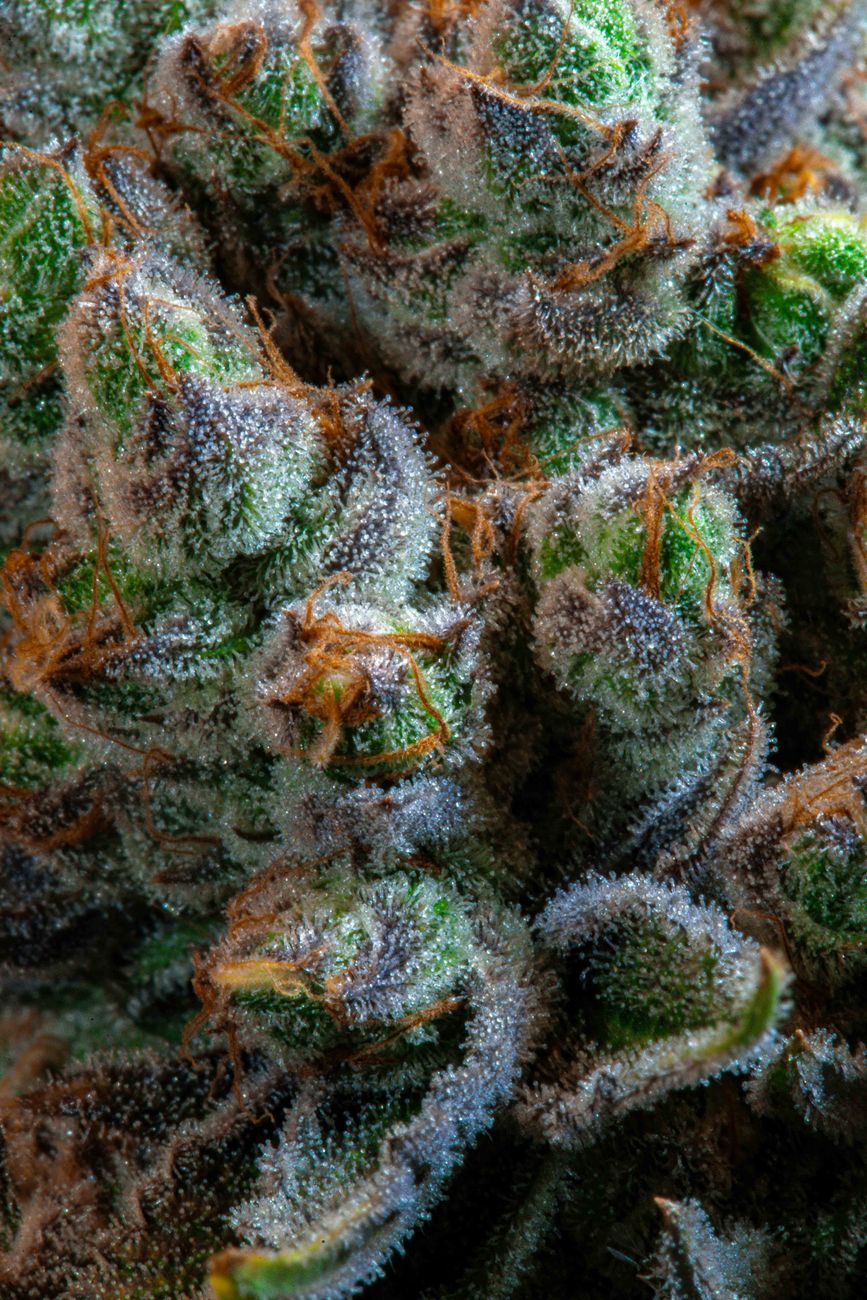
Grand Daddy Purp is a classic indica-dominant hybrid (Big Bud × Purple Urkle) that flowers in 55-65 days, yields 400-500 g/m² indoors under 600+ PPFD LED, and consistently tests at 17-23% THC. It performs well across Canadian Zones 5-8 outdoors when harvested before mid-October. The purple colouration requires nighttime temperatures of 10-15°C in the final two weeks of flower to express fully.
- ✓ Canadian growers in Zones 5-8 growing outdoors
- ✓ Indoor growers chasing visual bag appeal and sedating effects
- ✓ Anyone growing indica seeds for relaxation or sleep
- ✓ Growers who've tried GDP before and didn't get the purple
- ✓ Beginners looking for a forgiving but rewarding indica
- ✗ Growers who need sativa-style daytime effects
- ✗ Prairie growers in Zone 3-4 who can't beat mid-September frost
- ✗ Anyone prioritising maximum THC above all else
- ✗ Growers with poorly ventilated spaces prone to high humidity
Numbers sourced from breeder documentation and widely reported grower journals. Individual results vary by environment, technique, and pheno selection.
What is Grand Daddy Purp?
Grand Daddy Purp, often abbreviated as GDP, is an indica-dominant cannabis strain first popularised in California in the early 2000s by breeder Ken Estes. It became one of the most recognised purple cannabis varieties in North America.
GDP is defined by three signature traits: deep purple and violet colouration (when properly cold-triggered), a dense grape-and-berry aroma driven by myrcene and caryophyllene, and a heavy, relaxing body effect that leans strongly sedative at higher doses.
In Canada, GDP and its feminized seed descendants have become reliable choices for growers seeking indica seeds with strong visual appeal, predictable flowering times, and effects suited to evening or nighttime use.
GDP is not a hype strain. The grape terpene profile, the indica sedation, and the potential for stunning purple colouration are all real and repeatable. The catch is that the colour and full flavour expression require intentional environmental management most growers skip.
What Are GDP's Genetics and Lineage?
Grand Daddy Purp is a cross of Big Bud and Purple Urkle. Big Bud contributes its large, dense bud structure and high yield potential. Purple Urkle contributes the anthocyanin-rich genetics responsible for purple pigmentation and the deep berry aroma.
The anthocyanin pathway inherited from Purple Urkle is what makes temperature management so critical. Anthocyanins are pigments that express in cool conditions. Without a genuine temperature differential (warm days, cool nights in the 10-15°C range), those pigments stay dormant and the plant presents green.
Breeder documentation for most GDP-lineage seeds reports an indica-to-sativa ratio of approximately 80/20, a medium plant height of 90-120 cm indoors, and phenotypic stability in feminized form when grown in stable environments.
The Big Bud parentage is a genuine advantage for Canadian growers: it pushes yields higher than most purple strains and keeps bud density strong even in cooler climates. If you're choosing between GDP and a lighter-yielding purple variety, the genetics here are a practical win.
What Does Grand Daddy Purp Feel Like?
GDP produces a classic two-phase indica effect. The onset is a mild cerebral euphoria and mood lift that arrives within 5-15 minutes of consumption, followed by a progressively deeper body relaxation that most users describe as heavy and sedating.
At lower doses (1-2 puffs for experienced users), the effect is relaxing and social-comfortable. At moderate-to-higher doses, GDP becomes strongly sedating and is commonly used for sleep support, pain relief, and muscle tension. Couchlock is real with GDP at full doses.
The terpene profile that drives this effect is led by myrcene (sedation, muscle relaxation), caryophyllene (anti-inflammatory, spice notes), and pinene (mild alertness counterweight). Published research in the Journal of Cannabis Research documents myrcene as one of the primary terpenes associated with sedative cannabis effects, supporting what GDP users report consistently.
- Primary effect: heavy body relaxation and sedation
- Onset: 5-15 minutes
- Duration: typically 2-3 hours at standard doses
- Common uses: sleep, pain, stress, appetite stimulation
- Not recommended for daytime productivity tasks
If you're after a genuinely sedating evening strain rather than a modern high-THC hybrid that promises relaxation but delivers anxiety, GDP remains one of the most reliable choices available in indica seed form in Canada.
How to Grow Grand Daddy Purp Indoors
Step 1: Vegetative Stage (4-6 weeks, 18/6 light)
GDP is a medium-vigour plant that responds well to low-stress training (LST) during veg. Aim for an 18/6 light schedule at 400-600 PPFD. Keep temperatures at 22-26°C and relative humidity at 55-65%. GDP's indica structure means it stays compact , most phenotypes stay under 100 cm with light topping.
Step 2: Flip to Flower (12/12, weeks 1-5)
Switch to 12/12 once the canopy is even. Increase PPFD to 700-900 during peak flower. Widely reported grower journals show GDP responds well to 600-800 PPFD with strong bud density, while pushing above 1,000 PPFD without CO2 supplementation often produces stress bleaching. Keep humidity dropping: target 45-55% in weeks 1-3, then 40-50% in weeks 4-5.
Step 3: Late Flower and Purple Trigger (weeks 6-9)
This is the critical phase. Drop nighttime temperatures to 15-18°C while keeping daytime temperatures at 22-24°C. That 6-9°C differential over 10-14 nights is what triggers anthocyanin expression. Humidity should drop to 38-45% in this window to reduce mold risk as buds swell. Flush or reduce nutrient inputs in the final 10-14 days based on your medium.
Step 4: Harvest Window
GDP is typically harvest-ready at day 55-65 of flower. Check trichomes: peak effect is 70-80% cloudy with 20-30% amber for the sedating body high this strain is known for. Harvesting too early (all cloudy) produces a more anxious effect , wait for the amber to build.
Indoor GDP in a well-dialled environment produces 400-500 g/m² with proper training. The single highest-leverage move is the late-flower temperature drop. Growers who skip it leave both colour and some terpene richness on the table.
Is Grand Daddy Purp Good for Outdoor Growing in Canada?
GDP is a solid outdoor option for Canadian growers in Plant Hardiness Zones 5-8 , covering most of southern Ontario, British Columbia's lower mainland, and parts of Quebec. It is less suited to the Prairies (Zones 3-4) because its 55-65 day flowering period, combined with outdoor start dates, typically pushes harvest into mid-to-late September, which is risky in Zone 3.
Per Plant Hardiness Zones of Canada data and Environment and Climate Change Canada climate normals, here's how GDP maps across four key provinces:
Last frost: ~March 15 | First frost: ~Nov 15
Frost-free: ~245 days
GDP start: May 1 → harvest ~Sept 15 → 61 days buffer. IDEAL.
Last frost: ~April 20 | First frost: ~Oct 28
Frost-free: ~190 days
GDP start: May 15 → harvest ~Sept 25 → 33 days buffer. SAFE.
Last frost: ~April 25 | First frost: ~Oct 12
Frost-free: ~170 days
GDP start: May 20 → harvest ~Sept 28 → 14 days buffer. MARGINAL.
Last frost: ~May 15 | First frost: ~Sept 22
Frost-free: ~130 days
GDP start: June 1 → harvest ~Sept 30 → 8 days negative buffer. HIGH RISK.
For Prairie growers in Zone 3-4, autoflower seeds that finish in 70-80 days total are a much safer outdoor bet than photoperiod GDP.
GDP is an outdoor winner in BC and Ontario. Quebec growers can make it work with an early May start and a hoop-house for the final two weeks. Prairies growers should use a faster autoflower instead unless they have a heated greenhouse.
How to Actually Get the Purple Colour in GDP
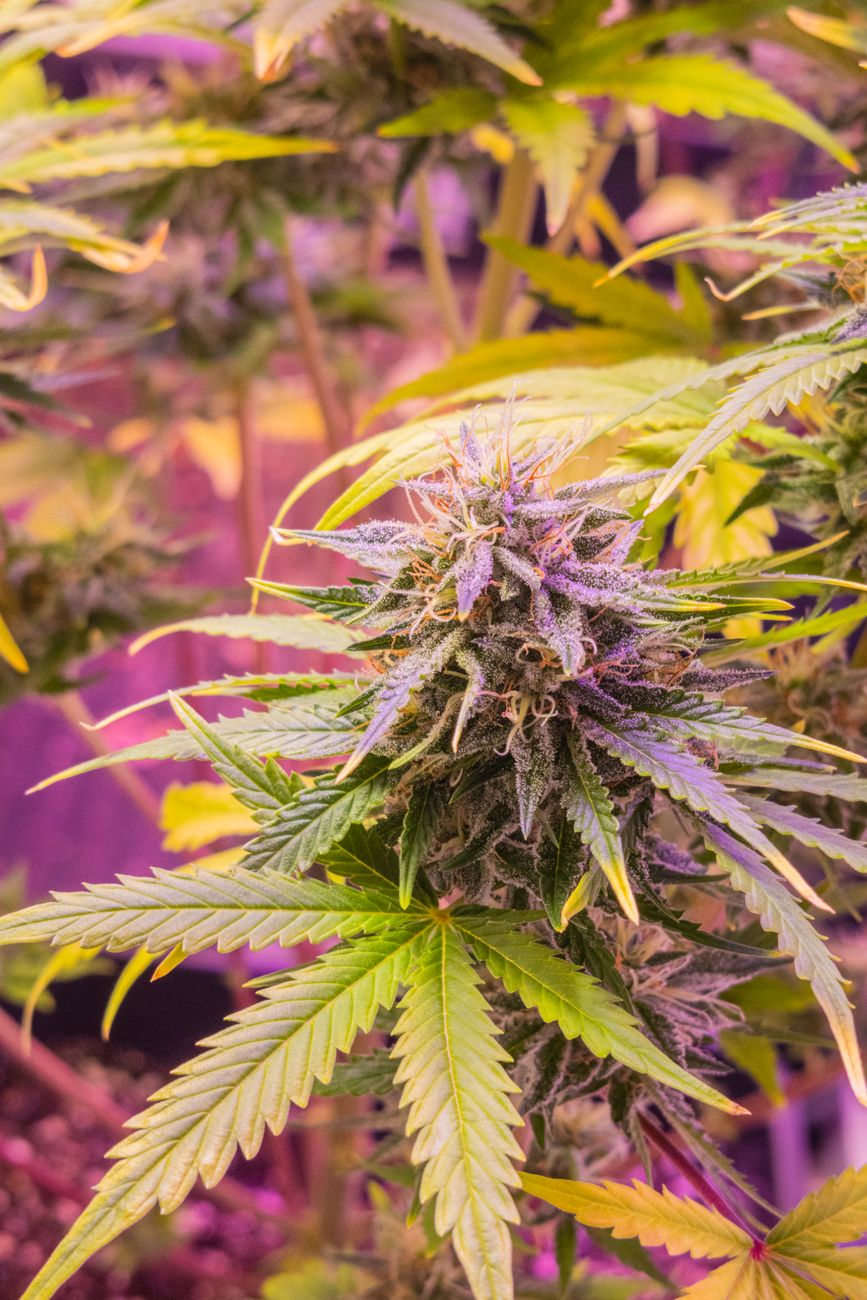
The purple in Grand Daddy Purp is not automatic. It requires two conditions: the genetics carrying the anthocyanin trait (any legitimate GDP seed should have this) and an environmental trigger in the final two weeks of flower.
Anthocyanin expression in GDP requires a minimum of 10 consecutive nights at 10-15°C while daytime temperatures stay at 20-24°C. That temperature differential activates the pigment pathway. Formula: 10+ nights × 6-9°C differential = visible purple within 7-14 days. Outdoors in Canada, September nights in Zone 5-7 often deliver this naturally. Indoors, you need to actively drop temperatures by reducing HVAC output or cracking intake vents at night during weeks 6-9 of flower.
Common grower mistake: dropping temperature too early (week 3-4 of flower) stunts bud development. Wait until week 6 or later, when buds have already swelled significantly, then apply the cold nights.
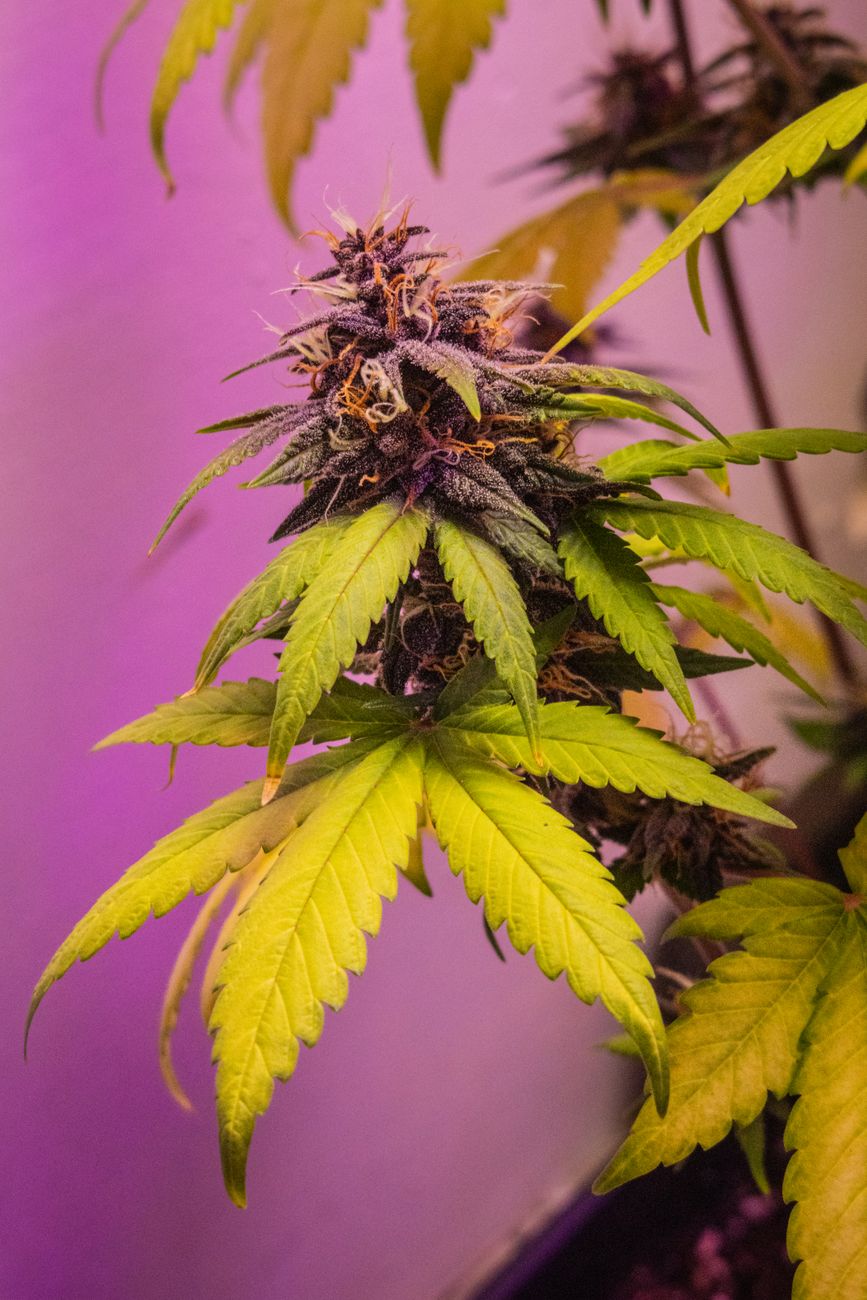
If your GDP came out green, the genetics aren't broken , the environment was. Ten consecutive nights below 15°C in the last two weeks of flower is the only reliable trigger. Everything else is secondary.
GDP vs Other Purple Strains: How Does It Compare?
| Strain | THC Range | Flower Time | Indoor Yield | Mould Resist. | Cold Tolerance | Beginner Score |
|---|---|---|---|---|---|---|
| Grand Daddy Purp | 17-23% | 55-65 days | 400-500 g/m² | Medium | Medium-High | 7/10 |
| Purple Kush | 17-22% | 50-60 days | 350-450 g/m² | Medium | High | 8/10 |
| Granddaddy Black | 20-25% | 60-70 days | 400-480 g/m² | Low-Medium | Medium | 5/10 |
| Purple Haze | 18-22% | 65-75 days | 450-550 g/m² | Low | Low | 4/10 |
| Blueberry | 15-20% | 55-65 days | 350-450 g/m² | Medium-High | High | 8/10 |
GDP sits in a sweet spot: better yield than Purple Kush, more beginner-friendly than Granddaddy Black, and more cold-tolerant than Purple Haze. For Canadian outdoor growers chasing purple colour without sacrificing reliability, it's the most balanced option among classic purple strains. Browse our full range of feminized cannabis seeds to compare GDP-lineage options side-by-side.
GDP is the most well-rounded purple indica on this list for Canadian conditions. If you're a beginner, Blueberry is easier. If you want maximum THC, Granddaddy Black. But for the combination of yield, colour, effects, and cold tolerance, GDP is the standard.
Common Mistakes Growers Make with Grand Daddy Purp
Mistake 1: Starting Too Late Outdoors
Looking at questions from growers who contact us about GDP outdoor failures, late starts are the single most common issue. GDP is a photoperiod strain. It needs to flip naturally when daylight drops below 14 hours (typically mid-August in most of Canada). Starting seeds in late June gives you only 6-7 weeks of veg before flip , not enough canopy for good yield.
Mistake 2: Harvesting Too Early for Effects
GDP harvested at 100% cloudy trichomes produces an active, slightly anxious high that is nothing like what this strain is known for. The sedating, body-heavy GDP experience requires 20-30% amber trichomes. Most first-time GDP growers harvest too early and wonder why it feels "wrong."
Mistake 3: Skipping the Temperature Drop for Purple
Addressed in the colour section above, but worth repeating here: growers who don't introduce 10-15°C nights in late flower get green GDP every time. Genetics can't express a trait the environment doesn't trigger.
Mistake 4: Overfeeding Nitrogen in Mid-Flower
GDP is an indica with moderate-to-high nutrient sensitivity once in flower. Continuing high-nitrogen feeding past week 3 of flower consistently produces dark green, claw-like leaves, nitrogen toxicity symptoms, and reduced terpene expression. Drop nitrogen after the flip and ramp phosphorus and potassium through peak flower.
Mistake 5: Poor Airflow on Dense Buds
The Big Bud parentage means GDP produces exceptionally dense colas. In humid climates or poorly ventilated tents, that density becomes a botrytis (bud rot) risk from week 6 onward. Aggressive defoliation of large fan leaves around bud sites in weeks 4-5 of flower and strong oscillating airflow are non-negotiable for reliable GDP grows.
Most GDP disappointments come from one of these five mistakes, not from the strain itself. Nail the temperature drop, wait for amber trichomes, and keep airflow strong , and GDP will meet every expectation.
What Happens If You Choose Wrong
- Strain: GDP feminized
- Start: May 15 indoors, transplant June 1
- Harvest: ~Sept 20
- Buffer to first frost: ~38 days
- Risk level: Low
- Outcome: Full purple expression from September nights, 17-22% THC, 90-130 g per plant outdoor
- Strain: GDP feminized
- Start: June 1 outdoors
- Projected harvest: ~Oct 1
- First frost: Sept 22
- Buffer: Negative 9 days
- Risk level: Very High
- Outcome: Frost hits during peak flower, bud rot, near-total crop loss
Bottom line: The same genetics in the wrong climate isn't a GDP problem , it's a planning problem. Zone 3-4 growers should choose autoflowering seeds that finish in 70-80 days total, regardless of light cycle.
Ready to grow Grand Daddy Purp? Our feminized seed collection includes GDP-lineage and other top indica strains with full breeder documentation for Canadian growers.
Shop Indica Seeds CanadaGrand Daddy Purp FAQ
How long does Grand Daddy Purp take to flower?
What is the THC percentage of Grand Daddy Purp?
Why isn't my Grand Daddy Purp turning purple?
Can I grow Grand Daddy Purp outdoors in Canada?
What yield can I expect from Grand Daddy Purp indoors?
Is Grand Daddy Purp good for beginners?
How do I stop bud rot on Grand Daddy Purp?
What terpenes are in Grand Daddy Purp?
Is Grand Daddy Purp legal to grow in Canada?
Should I use autoflower GDP or photoperiod GDP for Canada?
My GDP smells weak , what went wrong?
What pot size is best for Grand Daddy Purp indoors?
Explore our full catalogue of feminized and autoflower cannabis seeds , including purple, indica, and high-THC varieties available to Canadian growers.
Shop All Cannabis SeedsSources
Shop Premium Cannabis Seeds
Browse our curated selection of cannabis seeds, carefully chosen for Canadian growers. Fast shipping, germination guarantee, and discreet packaging across Canada.
Explore more seed categories: