Most growers shopping for CBD seeds are solving the wrong problem. They search for the highest CBD number on the label, buy it, grow it, and then wonder why the plant doesn't behave the way they expected. The real issue isn't CBD percentage. It's the ratio, the terpene profile, and whether the seed genetics were stabilized in the first place. Unstabilized CBD seeds can produce plants where half the crop tests above 0.3% THC , which crosses the legal line in Canada regardless of how they were marketed. This guide covers what CBD seeds actually are, what the cannabinoid does, how Canadian law treats these genetics, and exactly what to look for before you buy.
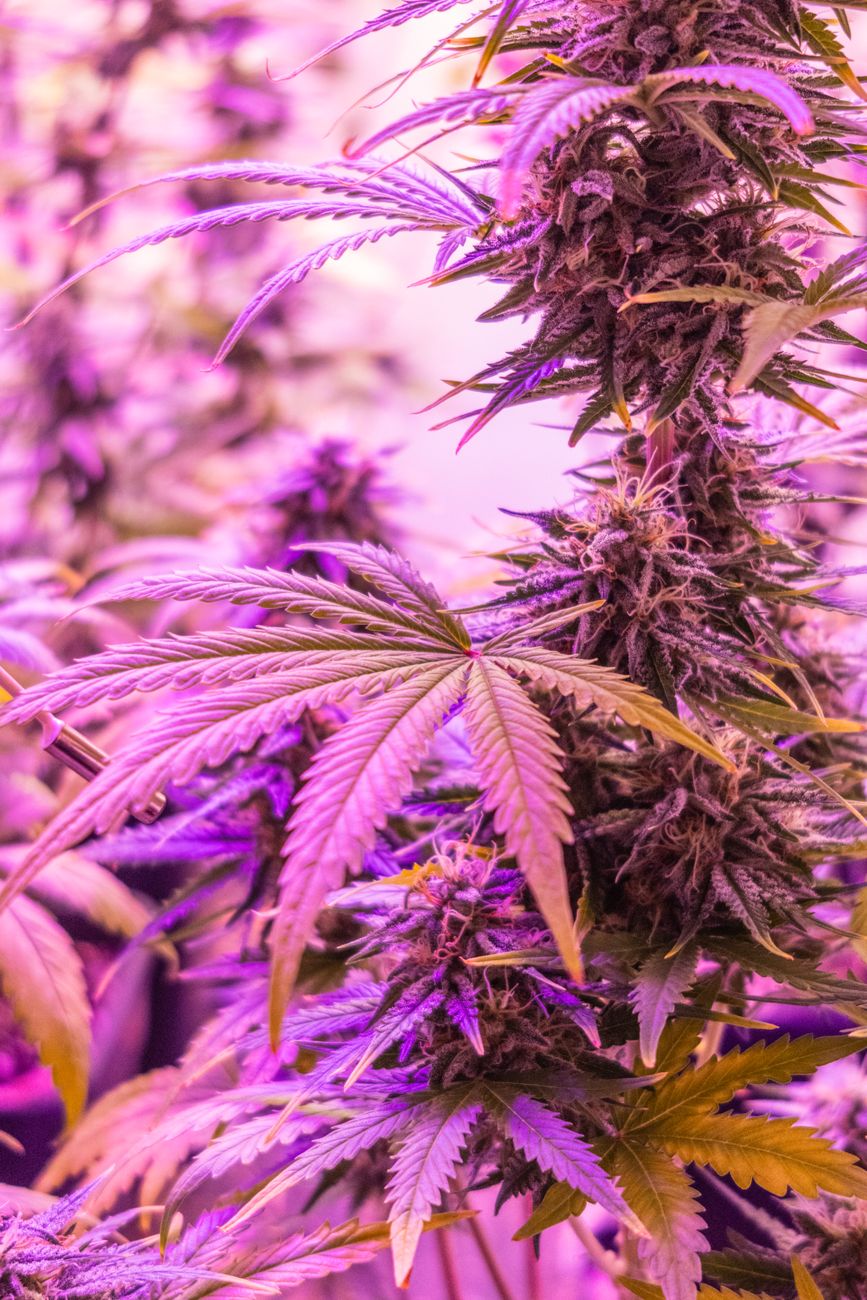
CBD seeds in Canada produce plants with cannabidiol (CBD) levels typically between 8% and 20%, with THC under 0.3%. They're legal to purchase, grow, and harvest under the Cannabis Act (2018) for adults at the standard provincial age (19+ in most provinces, 21 in Québec), up to 4 plants per household. The critical variable is seed stability , only properly bred, feminized CBD genetics consistently stay below the 0.3% THC threshold throughout the grow cycle.
- ✓ Canadian adults 19+ (21 in QC) wanting to grow CBD at home
- ✓ Growers wanting non-intoxicating or low-intoxicating effects
- ✓ First-time seed buyers unsure about CBD vs THC ratios
- ✓ Medical users interested in high-CBD, low-THC genetics
- ✓ Outdoor growers in short-season Canadian climates
- ✗ Growers seeking a strong psychoactive effect
- ✗ Commercial hemp producers (different licensing rules apply)
- ✗ Anyone under legal provincial age
- ✗ Growers expecting CBD to behave identically to THC-dominant strains
What Are CBD Seeds?
CBD seeds are cannabis seeds bred to produce plants with high cannabidiol (CBD) content and deliberately suppressed THC , typically below 1%, and ideally below 0.3% to meet Canadian and international legal thresholds.
The genetics behind CBD-dominant strains usually trace back to hemp-derived lineages crossed with high-resin cannabis cultivars. Breeders select over multiple generations for the CBDA synthase enzyme expression over THCA synthase , this is the mechanism that shifts a plant's cannabinoid output toward CBD rather than THC.
Stability matters enormously here. A well-stabilized CBD seed line produces consistent results across the entire crop. Poorly stabilized genetics introduce phenotypic variance , some plants in the same batch may express elevated THC, which creates both legal and practical problems for the grower. Feminized CBD seeds from reputable breeders are the most consistent option available for home cultivation.
Our CBD strains are selected for verified cannabinoid ratios and feminized genetics, so every plant in your 4-plant legal limit is working in your favour.
CBD seeds are not simply "weaker" cannabis seeds. They're a distinct genetic category with different enzyme expression, different legal standing, and different cultivation goals. Start with feminized, stabilized genetics from a documented source , it's the only way to predict your harvest with confidence.
What Does CBD Actually Do?
CBD (cannabidiol) is a non-intoxicating cannabinoid that interacts with the body's endocannabinoid system without producing the psychoactive effects associated with THC. It does not bind directly to CB1 receptors the way THC does, which is why it doesn't create a "high."
Instead, CBD acts as a modulator , it influences how other cannabinoids interact with receptors, and it interacts with serotonin receptors (5-HT1A), vanilloid receptors (TRPV1), and GPR55 pathways. According to research published in the Journal of Cannabis Research, CBD's therapeutic signals include anxiolytic, anti-inflammatory, and anticonvulsant properties under clinical conditions.
CBD also modulates the effect of THC when both are present. Growers and consumers widely report that higher CBD-to-THC ratios soften the anxious or paranoid edge that can accompany high-THC strains. This "entourage effect" is well-documented in peer-reviewed literature, though the precise mechanisms are still being studied.
CBD is not a sedative, stimulant, or psychedelic. It's a regulatory cannabinoid. Growers who understand this set better expectations for their harvest and their end experience. Don't expect a CBD strain to replicate a high-THC effect , they're fundamentally different tools.
CBD vs THC: What's Actually Different?
CBD and THC are both cannabinoids produced by the cannabis plant , same precursor (CBGA), same plant, dramatically different effects and legal treatment.
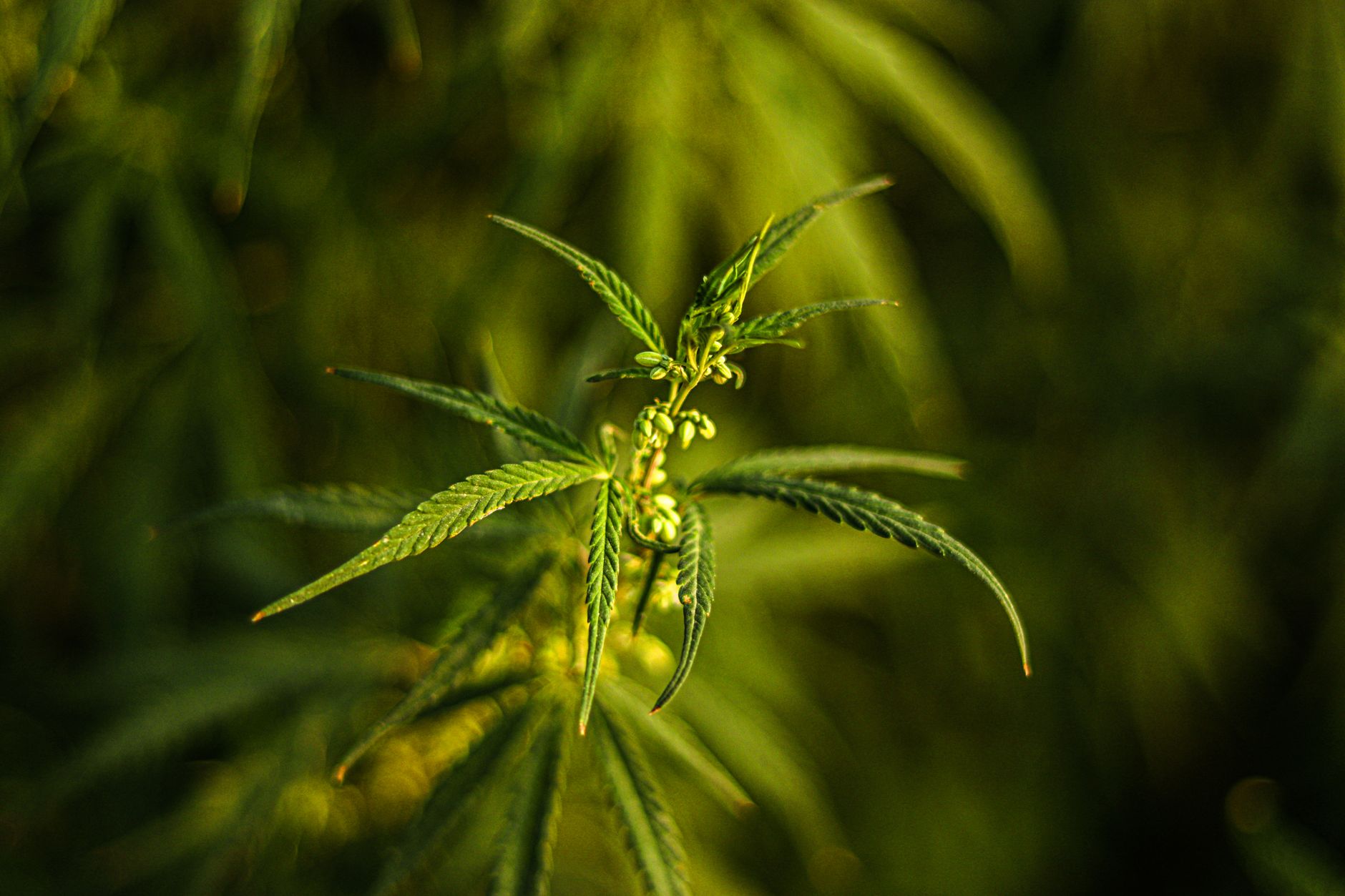
| Factor | CBD | THC |
|---|---|---|
| Psychoactive? | No | Yes |
| CB1 receptor binding | Indirect / modulating | Direct agonist |
| Typical seed range | 8, 20% CBD, <0.3% THC | 18, 30%+ THC, trace CBD |
| Legal threshold (CA) | No CBD-specific limit | Regulated under Cannabis Act |
| Drug test detection | Generally not detected (THCA-specific tests) | Detected (standard panels) |
| Cultivation difficulty | Similar to photoperiod cannabis | Similar to photoperiod cannabis |
| Entourage interaction | Moderates THC effects | Intensified by terpenes |
One practical note: CBD strains are generally NOT faster or easier to grow than THC-dominant strains. Growers sometimes assume "low THC = beginner plant," but growth rates, feeding schedules, and environmental requirements are nearly identical. The difference is in what you're harvesting, not how hard it is to get there.
The biggest practical difference between CBD and THC seeds isn't the grow , it's the legal threshold and the end experience. If you want both non-intoxicating effects AND the entourage complexity that terpenes add, a 20:1 CBD:THC strain will deliver more nuance than an isolate-focused hemp variety.
What Is the Legal Status of CBD Seeds in Canada?
CBD seeds are legal to purchase and cultivate in Canada for adults meeting provincial age requirements, under the same framework as all cannabis seeds. There is no separate "CBD seed" legal category.
Per Health Canada's cannabis regulations, the Cannabis Act (2018) permits adults to grow up to 4 cannabis plants per household for personal use. This applies regardless of whether the plants are CBD-dominant or THC-dominant. The legal age is 19+ in most provinces and territories, and 21+ in Québec.
The critical legal nuance for CBD growers: the 0.3% THC threshold is relevant primarily for industrial hemp licensing (commercial production), not for personal home grows. A home grower cultivating 4 CBD-dominant plants at any THC percentage below the general adult-use limit is operating legally. However, if your goal is to produce CBD flower for any commercial purpose, a processor license from Health Canada is required.
- 4 plants per household , personal cultivation maximum
- 30 grams dried , maximum public possession per person
- 19+ (21 in QC) , legal provincial age requirement
- No commercial sale without Health Canada licensing
- Seeds must come from licensed sources for full compliance
For personal home cultivation, any cannabis seed , CBD or THC , is legal under the Cannabis Act for adults at provincial age in Canada, up to 4 plants per dwelling-house. Formula: 4 plants × provincial legal age + seeds from a licensed retailer = full compliance. Example: a 25-year-old in Ontario growing 4 CBD Kush plants from Royal King Seeds seeds, harvesting for personal use, is operating entirely within Canadian federal and provincial law.
Buy from a licensed Canadian seed retailer, stay within 4 plants, and keep your harvest for personal use. That covers the legal basics for CBD seed cultivation. If you're exploring commercial production, contact Health Canada directly , the licensing process is separate and significantly more involved.
What Makes a Good CBD Seed? (The Checklist)
Not all CBD seeds are equal. Grower reports and breeder documentation consistently show that seed stability, feminization rate, and documented cannabinoid ratios separate reliable CBD genetics from inconsistent ones.
- ✓ Feminized genetics , eliminates male plants that waste 2 of your legal 4 spots
- ✓ Documented CBD:THC ratio , look for breeder-published cannabinoid specs, not just marketing claims
- ✓ Stable F3+ generation or IBL , earlier generations produce variable cannabinoid expression
- ✓ Mold resistance rating , CBD strains often have dense bud structure; mold susceptibility matters in Canadian humidity
- ✓ Photoperiod or autoflower designation , autoflower CBD strains finish 8, 10 weeks from seed, ideal for short Canadian seasons
- ✓ Terpene profile disclosed , myrcene, linalool, and beta-caryophyllene interact with CBD to affect the overall effect
- ✓ Licensed retailer source , required for Cannabis Act compliance
Looking at aggregated grower journals and breeder documentation, CBD-dominant strains like CBD Kush, CBD Mango Haze, and Charlotte's Angel consistently appear in high-success grow reports when sourced from stabilized, feminized lines. Phenotypic consistency across those varieties tracks to F5+ generation breeding in most documented lineages.
For Canadian outdoor growers especially, autoflower CBD genetics deserve serious consideration. Autoflower seeds in Canada finish in 8, 10 weeks from germination regardless of photoperiod, which means you can start in late May and harvest before early September frost risk climbs , particularly important in Zone 3, 5 prairie and northern Ontario climates.
A feminized, stabilized CBD seed with a disclosed cannabinoid ratio is worth more than any marketing claim about "premium CBD flower." Ask for the ratio, not just the percentage.
Growing CBD Strains: What's Actually Different?
CBD strains grow almost identically to their THC-dominant counterparts in terms of environment and feeding. The differences are subtle but worth knowing before your first grow.
Step 1: Set your environment the same as any cannabis grow
Temperature 20, 26°C during lights-on, relative humidity 50, 60% in vegetative and 40, 50% in flower. CBD strains respond well to 600, 800 PPFD under LED in veg and 800, 1000 PPFD during flower. No adjustments needed versus THC strains at this stage.
Step 2: Watch your EC , CBD strains can be lighter feeders
Aggregated grower journals note that many hemp-derived CBD lineages are slightly more sensitive to high EC than high-THC cultivars. Keep runoff EC at 1.2, 1.8 mS/cm through vegetative and 1.6, 2.2 mS/cm in flower. Overfeeding in CBD strains more commonly shows as tip burn than in typical indica-dominant THC varieties.
Step 3: Manage your canopy aggressively
Many CBD strains inherit dense bud structure from their hemp genetics. In Canadian outdoor conditions , where late-summer humidity can spike , that density is a mold risk. Low-stress training (LST) or light defoliation at week 3, 4 of flower opens airflow dramatically. This is where most CBD outdoor growers lose crop to botrytis. Don't skip it.
Step 4: Harvest at peak trichome maturity, not by calendar
CBD strains still produce trichomes that shift from clear to cloudy to amber. Harvest timing affects the final cannabinoid balance. Breeder documentation for most CBD-dominant strains recommends harvesting at 70, 90% cloudy trichomes (minimal amber) to maximize CBD expression before CBDA begins degrading.
The single biggest growing difference with CBD strains is canopy airflow management. Dense structure plus Canadian humidity is a botrytis formula. Stay ahead of it with proactive defoliation and you'll protect most of your harvest.
Common Mistakes CBD Seed Growers Make
Looking at the questions that come up most often from first-time CBD growers, a few failure patterns show up consistently across public grower forum data and support conversations.
Mistake 1: Buying unstabilized or unverified CBD genetics
Some CBD seed lines are early-generation crosses with high phenotypic variance. Half the crop may test outside the expected cannabinoid range. Only buy feminized CBD seeds from breeders who publish their cannabinoid testing data , not just marketing claims about "high CBD."
Mistake 2: Assuming CBD seeds need different nutrients
CBD plants don't need a special "hemp nutrient line." Standard cannabis nutrients work. The mistake is overfeeding based on THC-strain feeding charts without adjusting for slightly lower EC tolerance in hemp-derived lineages. Start at 80% of recommended dosage and adjust from runoff EC.
Mistake 3: Harvesting too late
CBD degrades to CBN as trichomes go amber. Growers chasing "extra ripeness" in a CBD strain are often reducing their CBD yield. Check trichomes weekly from week 7 of flower onward and prioritize cloudy-dominant readings for peak CBD.
Mistake 4: Skipping defoliation on outdoor CBD plants
As covered above , dense bud structure plus Canadian late-summer humidity is a reliable path to botrytis. Most first-time CBD outdoor growers report this loss in their first season. It's preventable with basic canopy work at week 3 of flower.
Mistake 5: Treating CBD percentage as the only quality signal
A 15% CBD strain with a rich terpene profile , high in myrcene, beta-caryophyllene, and linalool , will produce a more complex and noticeable effect than a 20% CBD strain with a flat terpene profile. Cannabinoid percentage alone doesn't tell you what the experience will be like. Look for the full profile.
For growers ready to explore the full range of cannabinoid-rich genetics, our feminized cannabis seeds include both CBD-dominant and balanced CBD:THC options alongside high-THC varieties.
CBD Seed Myths vs Reality
- CBD seeds are easier to grow
- CBD is only for medical users
- Higher CBD % always means stronger effect
- CBD plants won't trigger drug tests
- Any "hemp seed" is the same as CBD seed
- Cultivation difficulty is nearly identical to THC strains
- Any adult can use CBD flower for any personal reason
- Terpene profile significantly impacts effect quality
- Trace THC in CBD strains can accumulate , test if needed
- Hemp seed is for food/fiber; CBD seed is for cannabinoid production
"A CBD seed's quality is determined by three things in order: genetic stability, cannabinoid ratio accuracy, and terpene completeness. Percentage alone is a marketing number. Ratio and profile are what actually determine your harvest's value."
Ready to find the right genetics? Browse our CBD strains available in Canada with documented cannabinoid profiles and feminized genetics.
Frequently Asked Questions About CBD Seeds
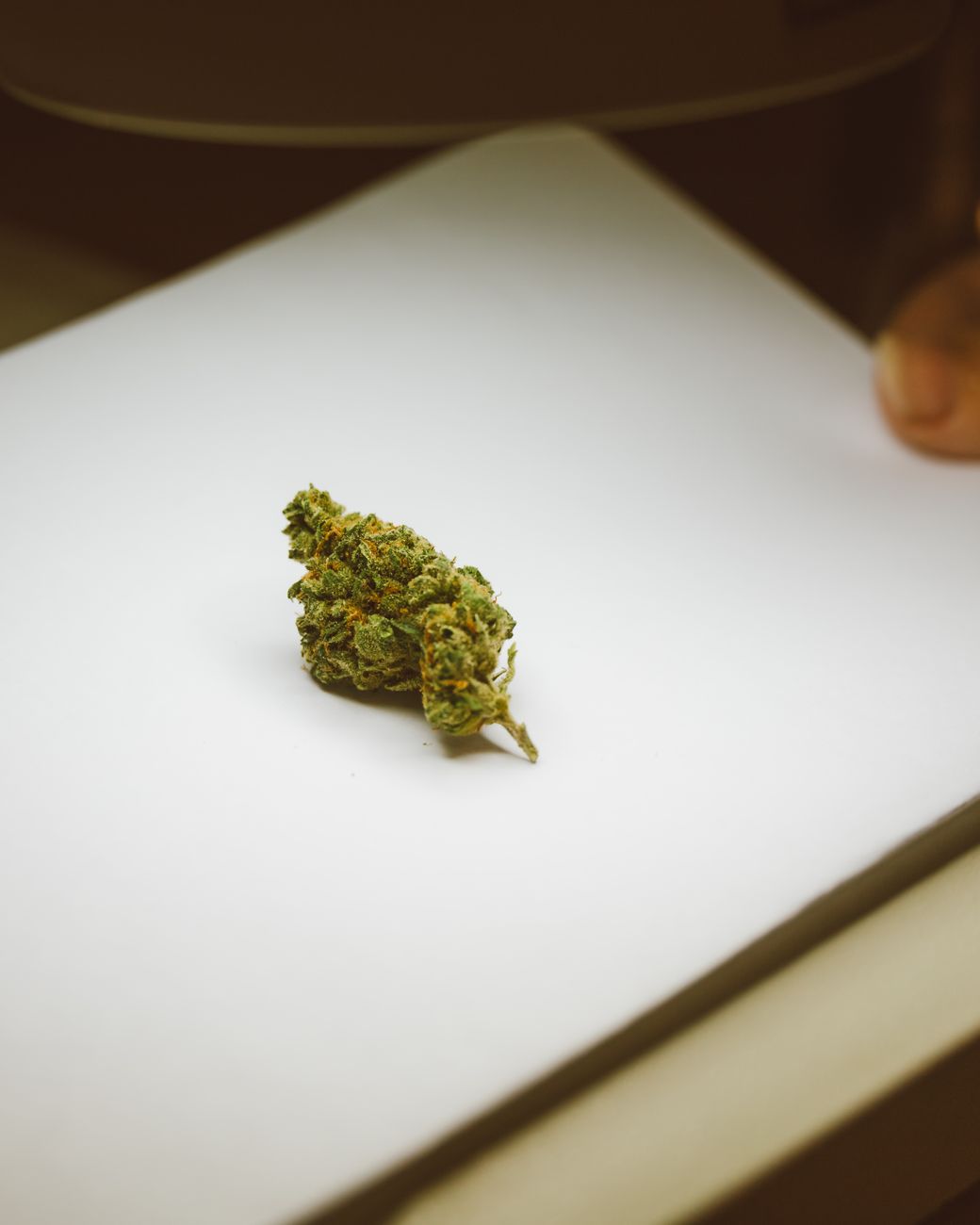
Ready to grow your own CBD flower in Canada? Browse our full selection of feminized, stabilized CBD strains with documented cannabinoid profiles.
Browse CBD Strains at Royal King SeedsSources
Shop Premium Cannabis Seeds
Browse our curated selection of cannabis seeds, carefully chosen for Canadian growers. Fast shipping, germination guarantee, and discreet packaging across Canada.
Explore more seed categories: