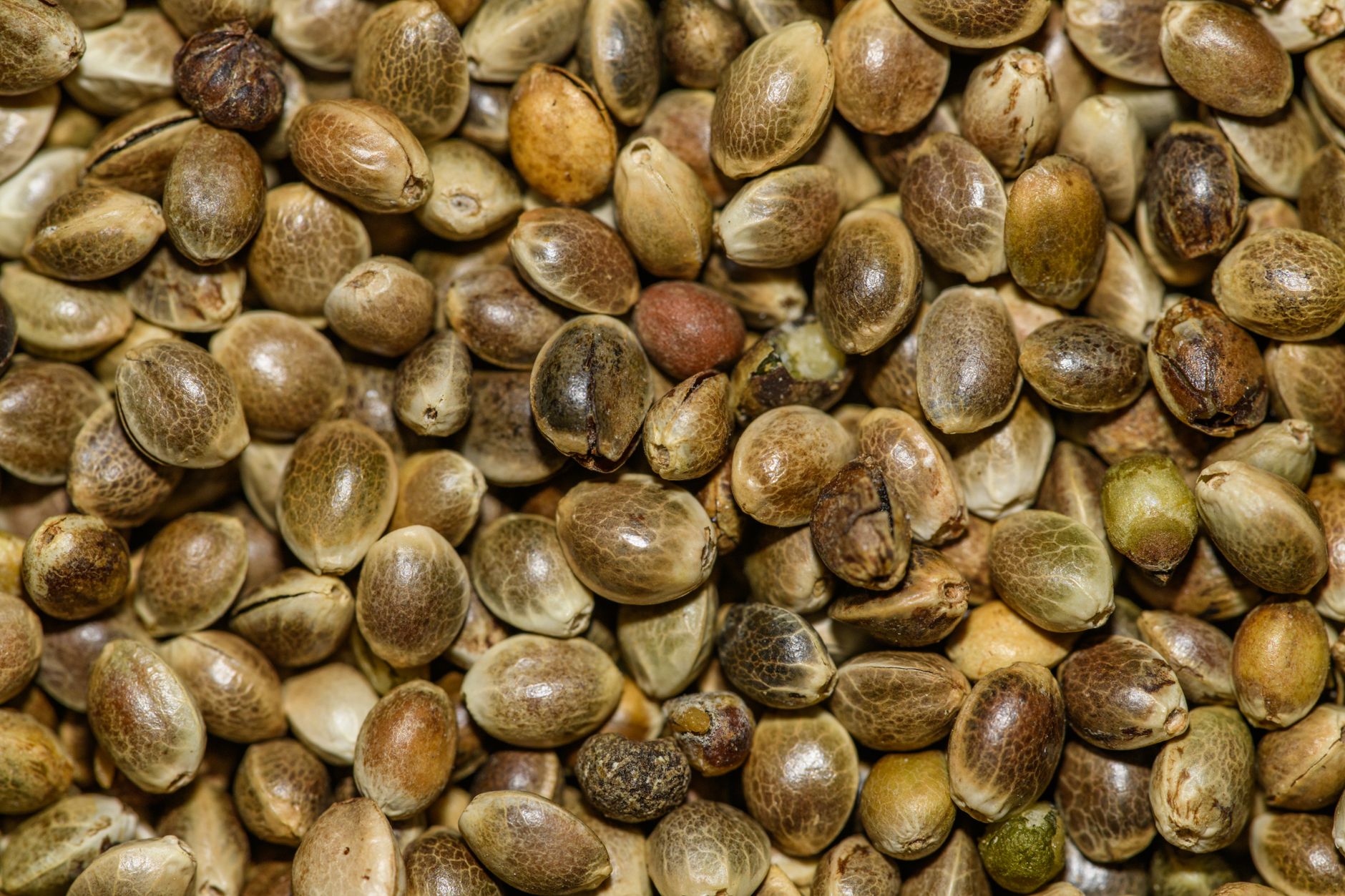
Proper cannabis seed storage protects your investment and keeps seeds viable for years. Storage conditions determine whether seeds last months or decades.
Seeds are living organisms in dormancy. Exposure to moisture, heat, or light degrades viability and can trigger premature germination.
Table of Contents
Why Proper Seed Storage Matters
Cannabis seeds are a significant investment. A single seed can cost $8 to 20 CAD, and losing viability to poor storage wastes money.
Proper storage ensures seeds germinate when needed, whether next month or five years from now.
Key Benefits of Correct Storage
Storing seeds correctly provides these advantages.
- Preserved germination rates: Well-stored seeds maintain 80 to 95% germination for years.
- Money savings: Buying in bulk only pays off if you store the excess properly.
- Always ready to grow: A collection means you can start any time without waiting.
- Genetic preservation: Rare or discontinued strains can be saved for future grows.
Storage principles are identical for feminized seeds, autoflowering seeds, and CBD strains.
The Three Enemies of Cannabis Seeds
Three environmental factors degrade seed viability. Controlling all three is the key to successful long-term storage.
The ideal storage environment is the opposite of germination conditions: cold, dry, and dark.
How Each Enemy Damages Seeds
Here is how each factor causes harm.
- Moisture: Triggers germination or causes mold, and even moderate humidity accelerates cellular degradation.
- Heat: Speeds up metabolic activity, consuming the seed's stored energy reserves.
- Light: Triggers hormonal changes and degrades protective compounds in the seed shell.
Seeds in a warm, bright, humid environment slowly lose viability or may attempt to germinate inside their container.
Ideal Storage Temperature
Temperature is one of the most critical storage factors. Cooler temperatures slow metabolic processes and preserve energy reserves.
Temperature stability matters most. Fluctuations cause condensation that ruins seeds.
This table shows expected seed lifespan by storage temperature.
| Temperature Range | Storage Duration | Suitability |
|---|---|---|
| 20-25°C (room temp) | 3-6 months | Short-term only |
| 10-15°C (cool room) | 6-18 months | Medium-term |
| 4-8°C (refrigerator) | 2-5+ years | Long-term (recommended) |
| -18°C (freezer) | 5-10+ years | Very long-term (risky) |
The back of a refrigerator is ideal because it avoids temperature fluctuations near the door.
Ideal Storage Humidity
Humidity control is arguably the most important storage factor. The relationship between humidity and seed behaviour is very precise.
Even small changes in relative humidity can mean the difference between years of viability and total loss.
Humidity Levels and Their Effects
Here is how different humidity levels affect stored seeds.
- Below 5% RH: Too dry, risking desiccation of the embryo and seed death.
- 5-9% RH (ideal): Seeds remain dormant with minimal metabolic activity.
- 9-20% RH: Risk zone with increased fungal activity and cellular degradation.
- 20-30% RH: Danger zone where stored sugars begin breaking down.
- 40-60% RH: Seeds will attempt to germinate inside the container.
- Above 60% RH: High risk of mold, rot, and rapid seed death.
Use silica gel desiccant packets inside sealed containers to maintain the 5 to 9% range.
Light and Darkness Requirements
Cannabis seeds should be stored in complete darkness. Light degrades the seed shell's protective compounds over time.
Brief exposure when retrieving a seed is fine. The concern is prolonged daily light exposure.
Ways to Ensure Darkness
Use these simple methods to block light.
- Opaque containers: Use dark glass vials or sealed Mylar bags that block all light.
- Enclosed locations: Store containers inside a drawer, cupboard, or box.
- Wrap clear containers: If using clear jars, wrap them in aluminium foil.
- Original packaging: Keep seeds in breeder packaging if it is opaque and airtight.
Combining darkness with cool temperatures and low humidity creates the ideal storage environment.
Refrigerator Storage Method
The refrigerator is the most recommended storage location. It provides consistent cool temperatures and darkness automatically.
You only need to control moisture with a simple desiccant packet.
Refrigerator Storage Steps
Follow these steps for proper fridge storage.
- Choose container: Place seeds in a small airtight glass vial or sealed bag.
- Add desiccant: Include a small silica gel packet to absorb moisture.
- Seal completely: Ensure the container is truly airtight.
- Place in back of fridge: The back has the most stable temperature.
- Minimize opening: Each opening introduces warm, moist air.
Important: When removing seeds from the fridge, let the sealed container reach room temperature before opening. This prevents condensation on cold seeds.
Refrigerator storage keeps seeds viable for 3 to 5+ years. Many growers report success after a decade.
Freezer Storage: Pros and Cons
Freezer storage is the most debated topic in seed preservation. It can preserve seeds almost indefinitely but carries real risks.
For most home growers, refrigerator storage is safer and sufficient.
Pros of Freezer Storage
Freezing offers these potential advantages.
- Minimal metabolic activity: Seeds can last 10+ years in frozen storage.
- Rare genetics: Best for preserving discontinued or irreplaceable strains.
- Professional use: Seed banks and preservation organizations use this method.
Cons of Freezer Storage
These risks make freezing unsuitable for most growers.
- Freeze-thaw damage: Ice crystals inside seed cells can damage the embryo.
- Moisture risk: Any moisture present when freezing will crystallize and destroy seeds.
- Temperature cycling: Self-defrosting freezers fluctuate, causing repeated stress.
- Difficult access: You cannot casually retrieve seeds without risking damage.
If you freeze seeds, ensure they are completely dry. Use vacuum-sealed packaging and thaw slowly in the fridge for 24 hours.
Storage Container Comparison
The right container protects seeds from moisture, light, and physical damage.
This table compares the most common storage container options.
| Container | Airtight | Light Block | Durability | Best For |
|---|---|---|---|---|
| Glass vials (dark) | Excellent | Excellent | High | Long-term fridge storage |
| Sealed Mylar bags | Excellent | Excellent | Medium | Bulk storage, freezer |
| Plastic snap containers | Good | Varies | Medium | Short to medium-term |
| Film canisters | Good | Excellent | High | Individual strain storage |
| Ziplock bags | Poor | None | Low | Not recommended |
| Original breeder pack | Varies | Usually good | Medium | Short-term (<6 months) |
Dark glass vials or sealed Mylar bags with desiccant are the gold standard for long-term storage.
Cannabis Seed Shelf Life
Cannabis seed shelf life depends entirely on storage conditions. The same seed can last months or decades depending on environment.
As seeds age, germination rates decline gradually. Older seeds are not dead, just slower to sprout.
Expected Lifespan by Storage Method
Here is what to expect from different approaches.
- Room temperature drawer: 6 to 12 months before noticeable germination decline.
- Cool, dark cupboard: 1 to 2 years with reasonable viability maintained.
- Refrigerator with desiccant: 3 to 5+ years with high germination rates preserved.
- Freezer (proper method): 5 to 10+ years, though with some risk of damage.
A fresh seed might germinate in 24 to 48 hours. A 5-year-old seed might take 5 to 7 days and need pre-soaking.
How to Test Seed Viability
Before planting stored seeds, you may want to check viability. Several methods exist, from visual checks to germination tests.
The only definitive test is attempting germination. Other methods give clues but are not fully reliable.
Visual Inspection
Look for these signs of seed health.
- Good signs: Dark brown or grey colour, firm shell, and tiger-stripe markings.
- Bad signs: Pale green, white, or crumbly shell indicating immaturity or death.
- Limitation: Appearance alone is not reliable, as dark seeds can still be dead.
The Squeeze Test
Gently press the seed between your thumb and finger. Viable seeds feel firm and resist pressure. Dead seeds are soft, hollow, or crack easily.
The Water Float Test
Drop seeds in water and wait one to two hours. Seeds that sink are often viable. This test is imperfect and can start germination.
Germination Test (Most Reliable)
The only definitive method. Use the paper towel method and wait 7 to 10 days. A taproot appearing confirms viability.
Step-by-Step Long-Term Storage
Follow this proven process for maximum seed longevity. The entire process takes just a few minutes.
Each step builds on the previous one to create optimal conditions.
Complete Storage Process
Follow these steps in order.
- Ensure seeds are dry: If seeds feel damp, air-dry at room temperature for 24 hours.
- Choose your container: Dark glass vials or Mylar bags are ideal; clean and dry first.
- Add desiccant: Place a small silica gel packet inside to maintain low humidity.
- Label clearly: Write strain name, seed type, breeder, purchase date, and seed count.
- Seal completely: Ensure the container is truly airtight with no gaps.
- Refrigerate: Store in the back of the fridge for the most stable temperature.
Reminder: When removing seeds from cold storage, let the sealed container warm to room temperature before opening. This prevents condensation.
Minimize container access. Each opening introduces warm, moist air. Replace desiccant packets annually.
Common Storage Mistakes to Avoid
Even experienced growers make storage mistakes. Most of these are easy to avoid with basic awareness.
Preventing these errors protects your entire seed collection.
Mistakes and How to Avoid Them
Watch out for these common errors.
- Room temperature storage: Keeping seeds on a warm shelf reduces lifespan significantly.
- No desiccant: Humidity builds inside sealed containers without silica gel.
- Window storage: Light and temperature swings near windows accelerate degradation.
- Frequent opening: Each opening introduces warm, humid air into the container.
- Fridge door storage: The door has the most temperature fluctuation in the fridge.
- No labelling: Unlabelled seeds create confusion about strain, type, and age.
Build your seed collection today. Browse our full selection of cannabis seeds and stock up during sales.
Frequently Asked Questions
How long do cannabis seeds last in storage?+
Should I store cannabis seeds in the refrigerator?+
Can I freeze cannabis seeds?+
What humidity level is best for storing cannabis seeds?+
How can I tell if my stored cannabis seeds are still viable?+
Should I store seeds in their original packaging?+
Can light damage stored cannabis seeds?+
What is the best container for cannabis seed storage?+
Do different seed types require different storage conditions?+
How should I label stored cannabis seeds?+
Build Your Seed Collection
Stock up on premium cannabis seeds and store them properly for future grows. Germination guarantee, discreet packaging, and fast shipping across Canada.
Explore more:
Royal King Seeds Editorial Team
Editorial Team
Our editorial team cites public breeder documentation, lab COAs (SC Labs and Steep Hill), Health Canada guidance, and aggregated grower journals. We do not fabricate first-party trial data.