Most people who make cannabis honey ruin it on the first step, before a single drop of honey is involved. They skip decarboxylation, or they push the temperature too high, or they use trim when the whole point of the product is potency and flavour. The result is a jar of expensive, mildly bitter honey that does almost nothing. Fixing this is simpler than most tutorials admit, and it starts with understanding exactly what cannabis honey is and why temperature control is the whole game.
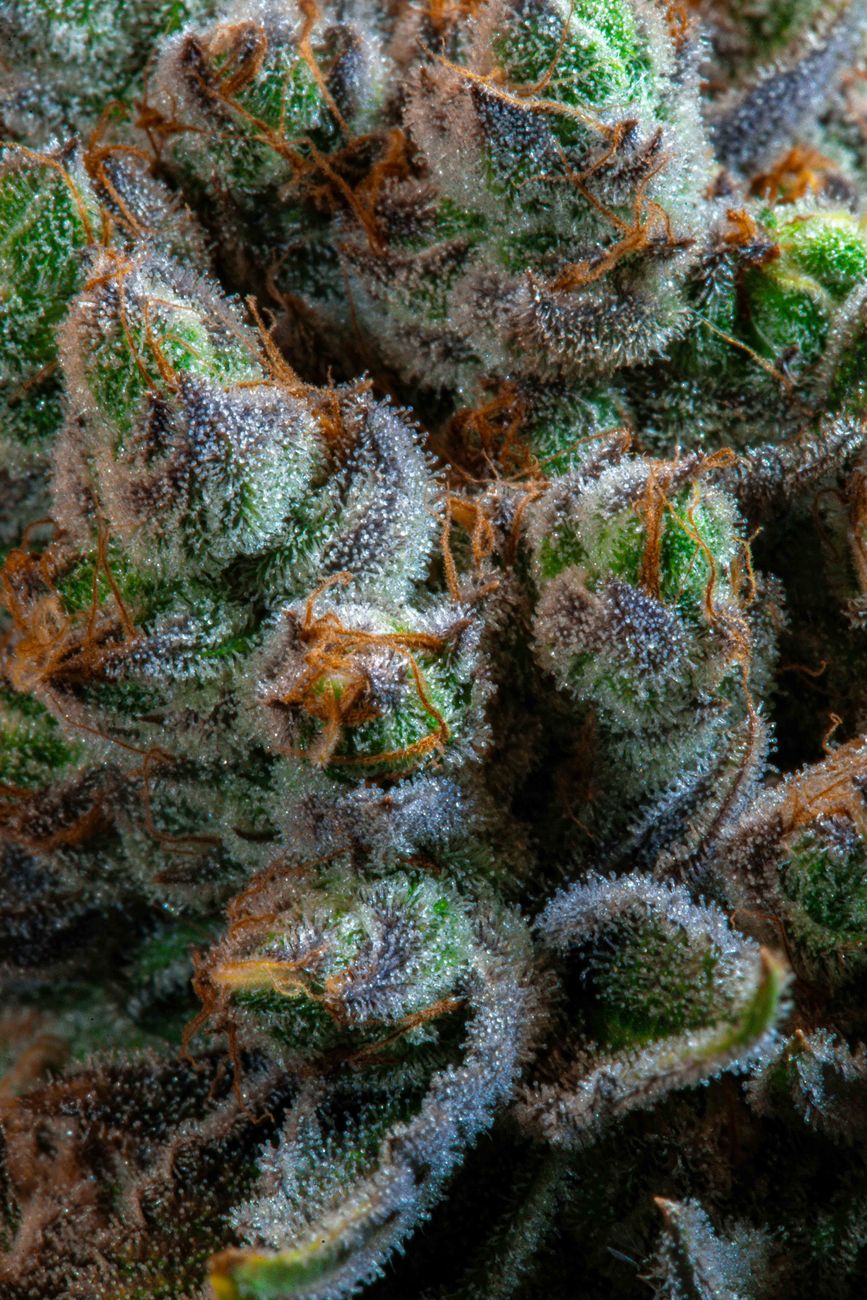
Cannabis honey is raw honey infused with decarboxylated cannabis at a ratio of roughly 3.5 g of dried flower per 250 mL of honey, held between 60°C and 70°C for 4 to 8 hours. A single teaspoon of well-made cannabis honey typically delivers 5 to 10 mg of THC , within the range most adult Canadian consumers use as a starting dose. Canadian adults aged 19 and older (21 in Quebec, 18 in Alberta) can legally make it at home from homegrown or legally purchased cannabis under the Cannabis Act 2018.
- ✓ Canadian adults 19+ making edibles at home
- ✓ Growers who want to use their whole harvest
- ✓ Beginners who want a smoke-free option
- ✓ Anyone frustrated by weak or inconsistent cannabis honey
- ✓ Growers choosing genetics with infusion in mind
- ✗ Commercial production (this is home use only)
- ✗ Under-age readers in any Canadian province
- ✗ Readers seeking medical dosing advice (consult a pharmacist)
- ✗ Anyone expecting a shortcut that skips decarb
What is cannabis honey?
Cannabis honey is raw or unpasteurized honey that has been infused with cannabinoids, most commonly THC and CBD, extracted from decarboxylated cannabis flower.
Unlike cannabis butter or oil, honey presents a unique challenge: it is water-based, and cannabinoids are fat-soluble. This means the infusion process relies on time and sustained low heat rather than a lipid carrier to encourage bonding. The result is less efficient per gram than coconut oil extraction, but the flavour profile is cleaner and the end product dissolves directly into hot drinks, yogurt, marinades, and baked goods.
Cannabis honey is distinct from "cannahoney" products that use alcohol extraction or lecithin emulsifiers. For home use in Canada, the direct heat infusion method covered in this guide requires no additional chemicals and works with equipment most kitchens already have.
Cannabis honey is one of the most accessible smoke-free edible formats a Canadian home grower can make. The extraction efficiency is lower than butter-based methods, but the versatility and shelf life (up to 12 months when stored below 20°C) make it worth mastering. Expect your first batch to teach you more than any tutorial.
Why does decarboxylation matter for cannabis honey?
Raw cannabis contains THCA, not THC. THCA is non-intoxicating. The conversion from THCA to active THC requires heat, a process called decarboxylation.
Most home growers know this in theory but underestimate how precise temperature control needs to be. Published research on cannabinoid degradation , including studies indexed on PubMed , consistently shows that THC degrades into CBN above approximately 120°C when exposed for extended periods, and that optimal THCA-to-THC conversion occurs between 105°C and 115°C for 30 to 45 minutes in a dry oven environment.
If you skip this step and rely on the low infusion heat (60 to 70°C) in the honey to decarb the flower, you'll get only partial conversion. Grower community reports consistently describe weak or unpredictable results when decarb is skipped or done at too low a temperature.
Always decarboxylate your cannabis before it touches the honey. Formula: 110°C oven + 35 minutes flat on parchment = complete THCA-to-THC conversion without significant THC-to-CBN degradation. Example: 3.5 g of a 22% THC strain contains approximately 770 mg of THCA. After decarb, you retain roughly 690 to 720 mg of active THC. Skipping decarb typically leaves you with 200 to 350 mg of active cannabinoids in the same batch.
Decarboxylation is not optional. It is the most important single step in cannabis honey production. A properly decarbed batch at 110°C for 35 minutes will consistently outperform raw-flower infusions regardless of honey quality or infusion time.
How to make cannabis honey (step-by-step)
This method uses a slow cooker or double boiler. Both work equally well. The goal is sustained, stable heat. Fluctuating temperature is the most common reason home batches fail.
Step 1: Gather your equipment and ingredients
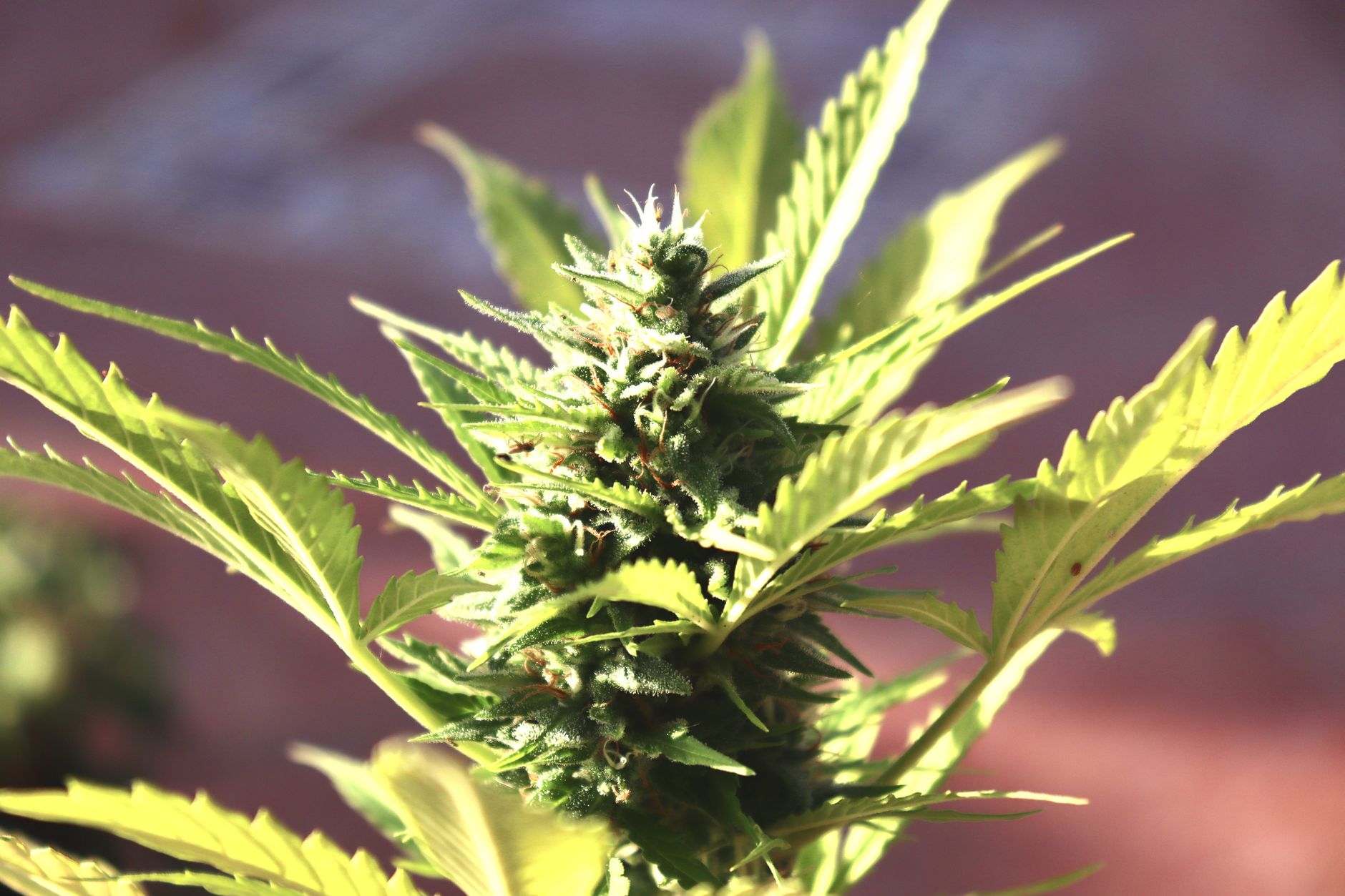
You need: 3.5 g of dried cannabis flower, 250 mL of raw honey, a slow cooker or double boiler, a cooking thermometer, cheesecloth, a fine-mesh strainer, and a clean glass jar. Use raw or minimally processed honey; high-heat pasteurized honey has already lost some of its enzyme profile and won't benefit from the infusion the same way.
Step 2: Decarboxylate the cannabis
Preheat your oven to 110°C. Break the flower into small pieces (not ground to a powder) and spread it in a single layer on a parchment-lined baking sheet. Bake for 35 minutes. The flower should shift from bright green to a slightly toasted, olive-brown colour. Let it cool fully before proceeding.
Step 3: Combine and infuse at low heat
Place the decarbed flower and honey into your double boiler or slow cooker set on LOW. Hold the temperature between 60°C and 70°C for 4 to 8 hours. Stir every 30 to 45 minutes. Do not let the temperature climb above 75°C , that is where THC degradation accelerates meaningfully. Use your thermometer throughout.
Step 4: Strain and store
While the mixture is still warm, pour it through cheesecloth layered inside your fine-mesh strainer into a clean glass jar. Squeeze the cheesecloth gently but do not wring it aggressively , you'll push chlorophyll and plant matter into the final product, which adds bitterness. Seal the jar and store it in a cool, dark location below 20°C. Shelf life is typically 6 to 12 months.
The double boiler method edges out the slow cooker for temperature precision. Most slow cookers run warmer than their LOW setting suggests, and even 5°C above 70°C for an extended period costs you measurable THC. If you own a slow cooker without a thermometer port, confirm its actual temperature with an instant-read probe before committing your flower to it.
How to dose cannabis honey accurately
Dosing homemade cannabis edibles is imprecise by nature. There is no commercial testing equipment in a home kitchen. What you can do is estimate based on input potency and extraction efficiency, and then titrate from a conservative starting point.
Starting estimate for a batch made with 3.5 g of 20% THC flower and 250 mL of honey:
- Total theoretical THC: 3,500 mg flower × 0.20 = 700 mg THCA
- After decarb (approx. 87% conversion): ~609 mg active THC
- Estimated extraction efficiency in honey (60 to 75%): ~365 to 457 mg THC per 250 mL jar
- Per teaspoon (5 mL of 250 mL = 2% of total): approximately 7 to 9 mg THC
Health Canada's edible cannabis regulations set a maximum of 10 mg THC per packaged unit for commercial products , a number that aligns with what most experienced adult users consider a functional single dose. Start with half a teaspoon if you are new to edibles, wait 90 minutes before considering more, and never increase dose within the same session.
For more detail on edible cannabis regulations, see Health Canada's official cannabis guidance.
Treat your first jar as a calibration batch. Use half a teaspoon, note the onset time and intensity, and adjust your ratio for the next batch. Growers using high-THC genetics (25% or above) should reduce the flower input to 2.5 g per 250 mL honey to stay in a manageable dose range per teaspoon.
What are the best cannabis strains for making honey?
The best strains for cannabis honey share three characteristics: high cannabinoid density, rich terpene profiles (which carry over into flavour), and reliable, consistent genetics. Strains that underperform on potency consistently disappoint in extracted formats.
Terpene-forward strains tend to produce noticeably more aromatic, flavourful honey. Myrcene-dominant strains (earthy, musky) produce honey that pairs well with dark teas and savoury glazes. Limonene-dominant strains (citrus) produce honey that suits lighter applications like yogurt and herbal teas.
| Strain Type | THC Range | Dominant Terpenes | Honey Flavour Profile | Infusion Rating | Beginner Friendly |
|---|---|---|---|---|---|
| Indica-dominant | 18, 26% | Myrcene, Caryophyllene | Earthy, herbal, deep | Excellent | Yes |
| Sativa-dominant | 20, 28% | Limonene, Pinene | Bright, citrus, floral | Very Good | Moderate |
| Autoflower | 15, 22% | Myrcene, Terpinolene | Mild, sweet, versatile | Good | Yes |
| High-THC strains | 25, 30%+ | Caryophyllene, Limonene | Pungent, complex | Excellent (use less flower) | No , reduce dose |
| CBD-dominant | 1, 3% THC / 10, 18% CBD | Myrcene, Linalool | Floral, gentle, clean | Very Good | Yes , safest starting point |
If you're growing specifically for infusion projects, feminized cannabis seeds eliminate the risk of male plants reducing your usable flower yield. For Canadian growers with limited grow space, autoflower seeds in Canada finish in 70 to 85 days and still produce enough flower for multiple honey batches per season.
For most growers making cannabis honey for the first time, an indica-dominant or CBD-dominant strain is the safest starting point. The potency is predictable, the flavour carries well through honey, and the dose margin is more forgiving. Growers ready to work with high THC seeds should halve the flower input relative to standard ratios.
Common cannabis honey mistakes (and how to fix them)
Mistake 1: Skipping or under-doing decarboxylation
This is the single most common reason cannabis honey fails. The honey infusion temperature (60 to 70°C) is nowhere near hot enough to complete decarb on its own. Fix: always oven-decarb at 110°C for 35 minutes before infusing, and verify your oven temperature with a separate thermometer since many home ovens run 10 to 15°C hot or cold.
Mistake 2: Running the infusion too hot
Honey scorches easily and cannabinoids degrade rapidly above 75°C. Grower forum reports consistently link bitter, weak honey to temperatures that crept above 80°C during infusion. Fix: use a thermometer continuously, not just at the start. Slow cookers frequently spike during the first 30 minutes before stabilizing.
Mistake 3: Using low-quality or trim material
Trim produces a harsher, more plant-forward honey that many people find unpleasant. It also has inconsistent cannabinoid density. Fix: use dried, cured flower for predictable results. Trim works better for butter or oil where the fat carrier masks the harshness.
Mistake 4: Not stirring during infusion
Honey is dense and cannabinoids don't distribute evenly without agitation. Batches that aren't stirred every 30 to 45 minutes produce inconsistent teaspoon-to-teaspoon potency. Fix: stir gently but regularly throughout the full infusion window.
Mistake 5: Storing incorrectly and losing potency
THC degrades in light and heat. Cannabis honey stored in clear glass on a sunny counter can lose 20 to 30% of its potency within weeks. Fix: use dark glass jars (amber or cobalt), store below 20°C, and away from direct light. Refrigeration is acceptable but causes honey to crystallize, which is reversible by gentle warming.
Every one of these mistakes is avoidable with a single piece of equipment: a reliable cooking thermometer. Temperature control prevents the three biggest failure modes simultaneously. If you're investing in quality genetics and raw honey, a $20 probe thermometer is not optional.
Myth vs reality: what cannabis honey can and can't do
| Myth | Reality |
|---|---|
| "You don't need to decarb , the heat from the honey does it." | False. Infusion temperatures (60, 70°C) are far too low for THCA-to-THC conversion. Decarb requires 105, 115°C in a dry environment. |
| "More flower = stronger honey, always." | Partially true, but extraction efficiency plateaus. Above 7 g per 250 mL, additional flower adds bitterness without proportional potency gain. |
| "Cannabis honey hits faster than other edibles." | No. Onset is still 45 to 90 minutes. Honey dissolves quickly in hot drinks, which may feel faster, but the digestive pathway is identical to other edibles. |
| "You can use any honey from the grocery store." | Technically yes, but highly processed honey produces a flatter result. Raw or local artisan honey carries a more complex base flavour that complements cannabis terpenes. |
| "Cannabis honey is as potent as cannabis oil." | No. Honey-based extraction is 60, 75% efficient versus 80, 90% for quality oil infusions, due to cannabinoid lipid-solubility. Honey is the more forgiving format, not the more potent one. |
What is the legal context for cannabis honey in Canada?
Under the Cannabis Act 2018, Canadian adults may legally possess up to 30 g of dried cannabis in public, grow up to 4 plants per household (from legally obtained seeds or seedlings), and produce edible cannabis products for personal use at home.
Cannabis honey made at home from legally purchased or homegrown cannabis is permitted. Selling or distributing homemade cannabis edibles to others is not permitted and carries significant penalties. The legal minimum age is 19 in most provinces, 21 in Quebec, and 18 in Alberta.
Growing your own flower for cannabis honey projects starts with legal seeds. Our full cannabis seed collection includes genetics suited to Canadian climates, grown within the 4-plant household limit.
Cannabis honey production at home is legal, practical, and well-suited to the homegrown cannabis lifestyle in Canada. The one non-negotiable: source your seeds legally. Everything downstream of that is well within your rights as a Canadian adult under the Cannabis Act.
"The quality of your cannabis honey is decided in the oven, not the pot. Nail the decarb, control the temperature, use quality flower , and the rest is just patience."
Ready to grow your own honey-grade flower?
Browse our collection of terpene-rich, high-potency genetics , all suited to Canadian grows within the 4-plant limit.
Shop All Cannabis SeedsFrequently asked questions about cannabis honey
What is cannabis honey?
Do you have to decarboxylate cannabis before making honey?
How much cannabis do I use per cup of honey?
How long does cannabis honey take to kick in?
How do I store cannabis honey to keep it potent?
Is it legal to make cannabis honey in Canada?
Why is my cannabis honey so weak?
Can I use trim or sugar leaf instead of flower?
What strains make the best cannabis honey?
Can I make cannabis honey with CBD flower only?
Why didn't my cannabis honey have any effect?
My slow cooker runs hot , will that ruin my cannabis honey?
Can I add cannabis honey to hot drinks?
How is cannabis honey different from cannabis oil or cannabutter?
How many plants do I need to grow enough flower for cannabis honey?
Start with the right genetics
High-terpene, high-cannabinoid seeds grown within Canada's 4-plant limit. Feminized and autoflowering options available.
Browse Feminized SeedsSources
Shop Premium Cannabis Seeds
Browse our curated selection of cannabis seeds, carefully chosen for Canadian growers. Fast shipping, germination guarantee, and discreet packaging across Canada.
Explore more seed categories: