What you smoked in the 1990s or early 2000s was almost certainly not cannabis at its best. It was a compressed, heat-damaged block of mixed plant material , seeds, stems, shake, and all , that lost most of its terpenes and a significant portion of its THC before it ever reached your hands. That's brick weed. And understanding what it actually was, why it was produced, and how it compares to what's available today tells you more about cannabis quality than any lab report summary ever could.
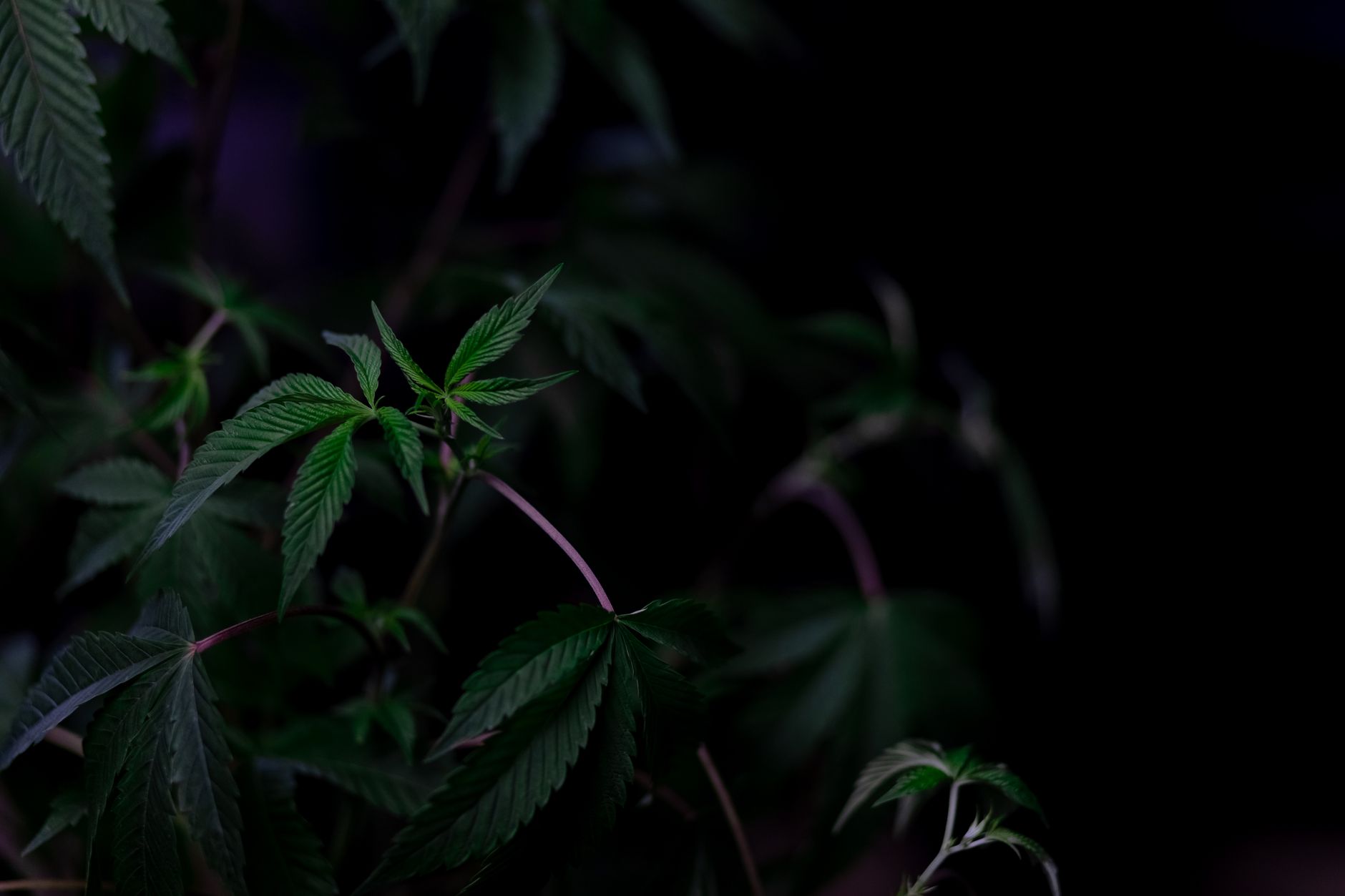
Brick weed is cannabis that has been compressed under mechanical or hydraulic pressure for dense transport, typically testing at 3 to 8% THC with severely degraded terpene content. It originated from bulk harvest operations in Mexico, Paraguay, and Southeast Asia during the mid-20th century black market era. Modern feminized cannabis seeds from reputable breeders now produce flowers averaging 20 to 30% THC with complex terpene profiles , a complete departure from the brick era of cannabis history.
- ✓ Canadian growers curious about cannabis history
- ✓ Consumers comparing legacy and modern quality
- ✓ New growers learning what poor post-harvest technique looks like
- ✓ Anyone who wants to understand THC and terpene degradation
- ✓ Growers choosing seeds and want to avoid low-quality outcomes
- ✗ Readers looking to source or purchase brick weed
- ✗ Those seeking guides on illegal cannabis trade
- ✗ Growers already expert in cannabis biochemistry
What is brick weed?
Brick weed is cannabis that has been mechanically compressed into dense, flat blocks for bulk transportation. The name comes from its appearance: a hard, rectangular slab that looks and feels closer to a brick of mud than a flower.
The compression process forces out moisture, collapses trichomes, and generates heat. All three effects destroy cannabinoids and terpenes. The result is a product significantly less potent and less flavorful than the same plant would have been if properly dried and cured.
Brick weed typically contains whole plant material, including seeds, large stems, fan leaves, and compressed shake. It represents the opposite of what modern cultivation prioritizes: manicured, cured, terpene-rich flower from genetically stable, purpose-bred plants.
Where did brick weed come from?
The bulk of brick weed consumed in North America originated from three primary source regions: Mexico (particularly Sinaloa and Michoacán), Paraguay, and Southeast Asia (Thailand, Vietnam). Each region had large-scale, unregulated cultivation operations producing mixed-phenotype landrace and hybrid crops with no selection pressure for potency or terpene content.
Harvests were mixed from many plants simultaneously, regardless of ripeness or plant health. The entire crop, including male plants, was pressed together. Seedy, low-THC genetics were no obstacle since all that mattered was weight and volume.
During peak black market production in the 1970s through 1990s, large-scale operations pressed thousands of kilograms at a time. Hydraulic presses compressed cannabis into one-kilogram blocks that could be stacked, wrapped, and smuggled in compartments designed for maximum density.
In Canada specifically, brick weed dominated street markets through the 1980s and into the early 2000s, when domestically grown cannabis from BC and Quebec began displacing imported product. Per Canadian Centre on Substance Use and Addiction (CCSA) historical data, domestic production gradually expanded and improved quality perceptions through the 1990s, setting the stage for the regulated market under the Cannabis Act (2018).
How the bricking process damages cannabis
Trichomes are fragile. The resin glands that contain THC, CBD, and terpenes exist on the outer surface of flower and sugar leaves. Mechanical pressure crushes them immediately.
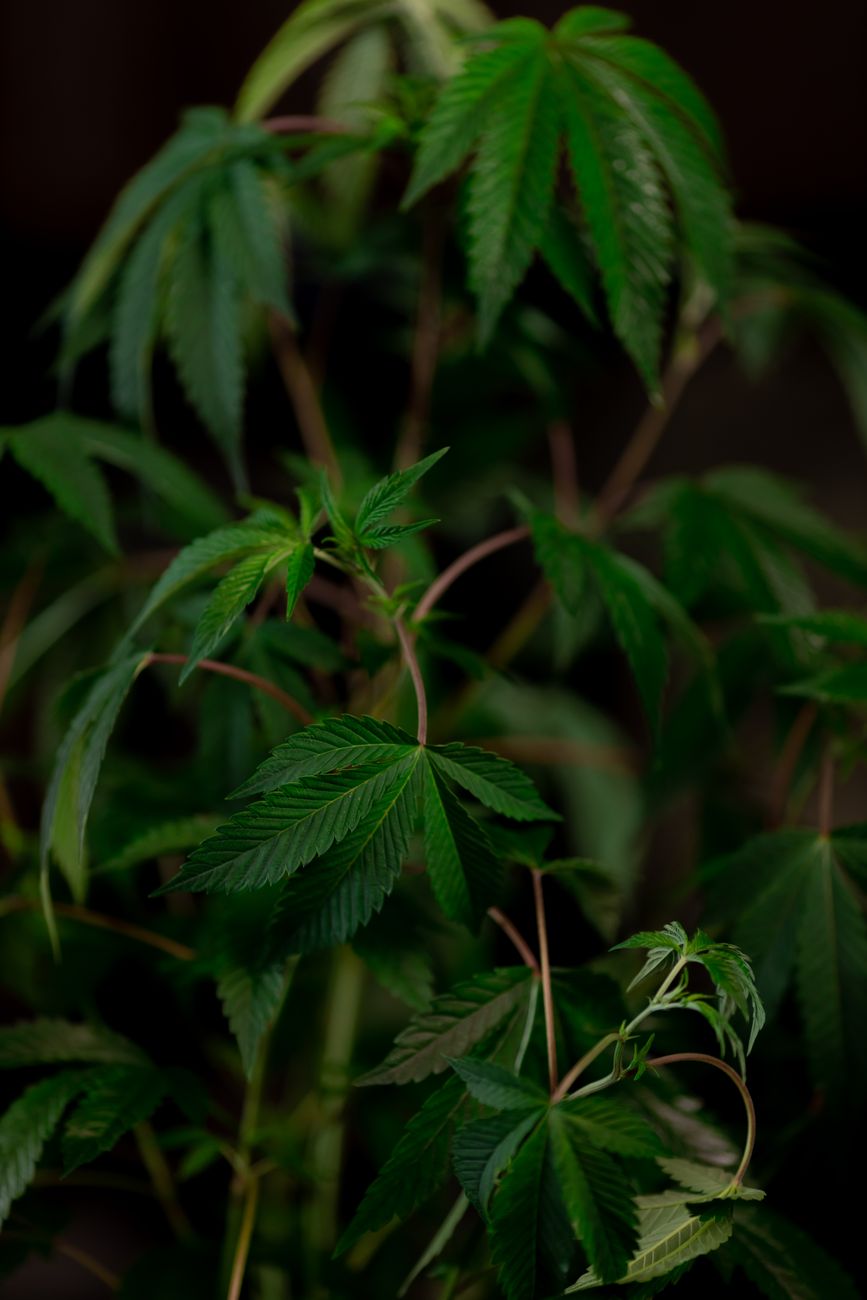
Published research in the Journal of Cannabis Research confirms that terpene volatilization accelerates significantly under elevated temperature and pressure. Bricking creates both. Estimates from cannabis chemistry literature suggest 50 to 70% of volatile terpene content is lost during the compression and transport process before the product reaches any consumer.
Beyond terpenes, THC degrades to CBN (cannabinol) through oxidation and heat exposure. CBN is mildly sedating but significantly less psychoactive than THC. Brick weed, by the time it reached street level, had often converted a meaningful portion of its already-low THC into CBN, further reducing potency.
Three compounding quality losses happen simultaneously during bricking:
- Trichome collapse from mechanical pressure
- Terpene volatilization from heat generated during compression
- THC-to-CBN conversion from oxidation during dense, airless storage and transport
Combine all three with cannabis that was already low-THC to begin with (unselected mixed-phenotype crops), and the end product testing 3 to 8% THC is not surprising. It's the predictable outcome of every poor decision made at every stage of that supply chain.
What does brick weed feel like? Effects explained
The effects of brick weed are best described as flat and short-lived. Because terpenes are largely absent, there is no entourage effect , no synergy between cannabinoids and aromatic compounds that shapes the character of a high.
Users widely reported a low-intensity, often headache-prone experience from brick weed. The harsh smoke from combusted seeds and stems irritated airways. The CBN content contributed to a heavy, tired feeling rather than a clear or euphoric one.
Compare this to modern genetics at 25% THC with a developed terpene profile. A strain carrying 1.5% myrcene, 0.8% limonene, and 0.6% caryophyllene alongside 25% THC delivers a substantially different experience than the same 25% THC with terpenes stripped out. The terpene layer is what gives modern cannabis its distinct character , something brick weed simply couldn't offer.
Broadly reported effects associated with brick weed included:
- Mild, short-duration high (often 30 to 45 minutes vs. 90 to 150 minutes for modern flower)
- Harsh throat and lung irritation from combusted seed and stem content
- Heavy, sedating quality attributed to elevated CBN levels
- Headache complaints, likely tied to combustion of non-flower plant material
- Inconsistent effects batch to batch, reflecting mixed-phenotype source genetics
Brick weed vs. modern cannabis: a direct comparison
The gap between brick weed and properly grown modern genetics is not marginal. It is structural. The table below illustrates the difference across every key quality axis.
| Quality Axis | Brick Weed | Modern Feminized / Auto |
|---|---|---|
| THC Range | 3 , 8% | 18 , 30%+ |
| Terpene Profile | Severely degraded (50, 70% lost) | Intact, complex, strain-specific |
| Seed / Stem Content | High (mixed-plant harvest) | None (feminized genetics) |
| Genetic Consistency | None , mixed phenotypes | High , stabilized, tested lines |
| Post-harvest Process | Hydraulic compression, no cure | Hang-dry 10, 14 days, jar cure 4, 8 weeks |
| Effect Duration | 30, 45 minutes (reported) | 90, 150+ minutes (reported) |
| CBN Content | Elevated (THC degraded during storage) | Low (fresh, properly cured) |
| Smoke Quality | Harsh, seedy, headache-prone | Smooth, flavorful, terpene-forward |
Modern properly grown cannabis is roughly 3 to 5 times more potent than typical brick weed , not because the cannabis plant changed, but because genetics, post-harvest handling, and cultivation technique changed completely.
Formula: Modern THC (25%) / Brick THC (5%) = 5x. The genetics didn't improve by magic. They improved because breeders spent decades selecting for THC and terpene expression, and growers stopped destroying the product after harvest.
Grower notes: what brick weed teaches about quality
Looking at the questions new growers ask most often, a recurring pattern stands out: the biggest quality losses happen after harvest, not during the grow. Brick weed is the most extreme possible illustration of that principle.
A grower can produce flowers testing 25% THC with beautiful trichome development, then destroy most of that value through poor drying conditions (too hot, too fast), no cure, or improper storage. The result won't be as bad as brick weed, but the degradation mechanism is identical.
Key post-harvest principles the brick weed era underscores for modern home growers:
- Temperature during drying matters. Drying above 25°C accelerates terpene evaporation. Aggregated grower journals consistently recommend 18 to 21°C with 50 to 55% RH for a slow, even dry over 10 to 14 days.
- Compression at any stage destroys trichomes. Even pressing flower into a storage container carelessly causes trichome loss. Handle buds with minimum contact.
- Curing isn't optional. A 4 to 8 week jar cure at 58 to 62% RH allows enzymatic processes to complete, improving flavor and smoothness substantially over uncured flower.
- Genetics set the ceiling. Brick weed started from unselected, low-potency mixed genetics. High THC seeds from stabilized breeding lines give growers a real ceiling to work toward , but technique determines how close you get to it.
- Seed and male plant contamination lowers quality. Feminized seeds eliminate this entirely. Feminized cannabis seeds ensure every plant is a productive female, producing sinsemilla (seedless) flower with maximum cannabinoid concentration.
For growers starting from seed, our autoflowering seeds are a popular entry point , they finish in 8 to 10 weeks from germination, which means less total time for things to go wrong before harvest.
Common mistakes that produce brick-weed-level results today
Reviewing patterns from public grower forums and the support questions that come up most often, several failure modes consistently produce modern cannabis with old-school quality. None of these are inevitable , all are fixable.
Mistake 1: Drying too hot and too fast
Rushing the dry with high temperatures (above 25°C) or fans aimed directly at buds volatilizes terpenes rapidly. The bud looks dry but smells like hay. This is the most common mistake seen in first-time grow reports and produces the same terpene-stripped flatness characteristic of brick weed.
Fix: Hang whole branches in a dark room at 18 to 21°C, 50 to 55% RH, with indirect airflow for 10 to 14 days.
Mistake 2: Skipping the cure entirely
Many new growers harvest, dry, and smoke within a week. The result is harsh, chlorophyll-heavy smoke with no developed terpene character. Breeder documentation and widely reported grower results both show that a minimum 4-week jar cure at 62% RH (maintained with a Boveda or similar pack) dramatically improves the final product.
Mistake 3: Starting with unknown or low-quality genetics
Bag seed from unknown sources is the modern equivalent of brick weed genetics: no documented THC ceiling, no terpene data, no phenotype stability. Growing from verified, stabilized seed stock is non-negotiable if quality is the goal.
Mistake 4: Allowing male plants to pollinate the crop
Seeds in flowers reduce cannabinoid concentration and add harsh-smoking plant matter. Brick weed was loaded with seeds. Feminized cannabis seeds eliminate this risk entirely , no male identification required.
Mistake 5: Storing cured flower in airtight plastic or in light
UV light degrades THC to CBN , the same conversion that happened during brick weed's long, exposed transit. Store cured flower in dark glass jars away from heat and light. Published research confirms UV exposure is one of the primary drivers of THC degradation post-cure.
Myth vs. reality: brick weed edition
"Brick weed wasn't bad because people couldn't grow , it was bad because nobody in that supply chain had any incentive to make it good. The moment growers had a legal, quality-incentivized market, the product transformed completely."
If you're building a grow today with quality as the goal, starting with verified genetics is step one. Browse our full catalog of cannabis seeds available across Canada to find strains with documented THC ranges and terpene profiles that the brick weed era couldn't have imagined.
Frequently Asked Questions
What is brick weed exactly?
Why was brick weed so much weaker than modern weed?
Does brick weed still exist today?
Is brick weed dangerous to smoke?
What did brick weed smell like?
Why did people still buy brick weed if it was so bad?
Can brick weed genetics be improved through modern breeding?
What is CBN and why did brick weed have more of it?
My weed smells like hay , is it similar to brick weed?
How does the Cannabis Act (2018) prevent brick-weed-level quality in Canada's legal market?
The brick weed era is over. Modern Canadian growers have access to genetics the 1980s black market couldn't have imagined.
Shop All Cannabis Seeds in CanadaSources
Shop Premium Cannabis Seeds
Browse our curated selection of cannabis seeds, carefully chosen for Canadian growers. Fast shipping, germination guarantee, and discreet packaging across Canada.
Explore more seed categories: