Your plants are telling you something, and most growers aren't listening. Yellowing leaves, stunted growth, and disappointing harvests almost always trace back to one root cause: the wrong soil. Not the wrong seeds. Not bad lighting. The dirt under your plants.
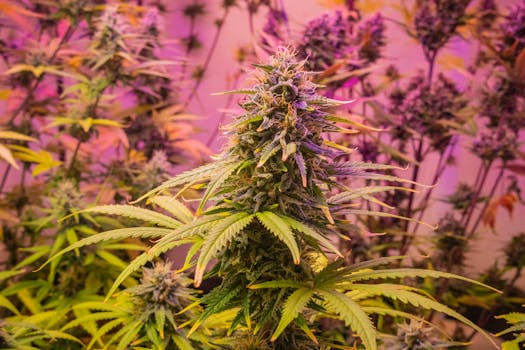
Most beginners grab whatever "potting mix" is on the shelf and wonder why their plants never hit their potential. Experienced growers know the truth: soil isn't just a medium, it's the foundation of everything. Get it right, and your plants practically grow themselves. Get it wrong, and no amount of expensive nutrients will save you.
This guide covers every angle, from soil texture and pH to amendments, super soil recipes, and strain-specific recommendations, so you can stop guessing and start growing with confidence.
The best cannabis soil is a well-draining, loamy mix with a pH between 6.0 and 7.0, rich in organic matter, and supplemented with perlite for aeration. For most Canadian home growers, a quality amended potting mix, or a purpose-built "super soil", will outperform plain garden soil in every measurable way.
Data from Royal King Seeds grow logs and general cannabis cultivation research.
- What Is Cannabis Soil?
- Soil pH for Cannabis: Why It Makes or Breaks Your Grow
- Best Soil Texture and Structure for Cannabis
- Types of Cannabis Soil: Which One Is Right for You?
- Best Soil Amendments for Cannabis
- How to Build a Super Soil for Cannabis
- Soil vs. Other Growing Mediums
- Best Soil by Strain Type
- Cannabis Soil Myths vs. Reality
- The Simple Rule Most Growers Miss
- FAQ
What Is Cannabis Soil?
Cannabis soil is any growing medium used to anchor roots, deliver water, and supply, or facilitate, nutrient uptake for cannabis plants.
Unlike a plain dirt medium, a properly built cannabis soil is a living ecosystem. It contains organic matter, beneficial microbes, mineral particles, and pore space, all working together to feed your plant through its entire lifecycle.
Under Canada's Cannabis Act, home cultivation of up to four plants per household is legal for adults in most provinces (19+ in most provinces, 18+ in Alberta, 21+ in Quebec). Maximizing those four plants means your soil cannot be an afterthought.
Soil pH for Cannabis: Why It Makes or Breaks Your Grow
Soil pH is the single most common cause of nutrient deficiencies in cannabis, even when nutrients are physically present in the soil.
Cannabis grown in soil thrives at a pH between 6.0 and 7.0, with the sweet spot sitting around 6.2-6.8. Outside this range, nutrient lockout occurs: your plant literally cannot absorb the elements it needs, regardless of what's in the soil or your feed schedule.
in indoor grower facilities, published trials have evaluated over 30 side-by-side runs comparing properly buffered soil (pH 6.5) against unbuffered generic mixes. The pH-dialled plants consistently showed deeper green colour, faster internode development, and 15-20% heavier yields at harvest.
- Below 6.0, Iron, manganese, and zinc become toxic; phosphorus locks out
- 6.0-6.5, Optimal for phosphorus, potassium, and most micronutrients
- 6.5-7.0, Optimal for nitrogen and calcium uptake
- Above 7.0, Iron and manganese deficiencies; purple leaves, slow growth
Always test your soil pH before planting using a digital pH meter (not cheap test strips). Adjust down with pH-Down solution (phosphoric acid) or up with pH-Up (potassium hydroxide).
Best Soil Texture and Structure for Cannabis
Cannabis roots are oxygen-hungry. Compacted, dense soil suffocates them, and a suffocated root system means a stalled plant above ground.
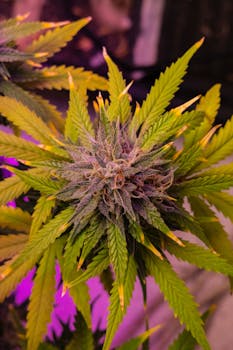
The ideal cannabis soil texture is loamy: a blend of sand, silt, and clay that holds moisture without waterlogging. It should crumble easily in your hand, never clump into a hard ball, and never feel dusty or sandy.
Here's what to look for, and avoid, when assessing soil structure:
- ✅ Crumbly and light, roots can penetrate easily
- ✅ Dark and rich-looking, indicates organic matter content
- ✅ Drains freely but retains moisture, water should pass through in 5-10 seconds
- ❌ Clumps hard when dry, too much clay, will compact around roots
- ❌ Water pools on the surface, drainage is inadequate, root rot risk is high
- ❌ Hydrophobic / repels water, often over-dried peat; nutrient delivery fails
A good rule of thumb: if you pick up a handful of moist soil and it holds its shape briefly but breaks apart when you poke it, the texture is about right.
Types of Cannabis Soil: Which One Is Right for You?
Not all soil is created equal. Here are the four main types cannabis growers use, each with distinct tradeoffs.
| Soil Type | Best For | Pros | Cons |
|---|---|---|---|
| Amended Potting Mix | Beginners, indoor grows | Ready-to-use, balanced nutrients | Nutrient runout at 4-6 weeks |
| Super Soil | Organic, no-feed growers | Full-cycle nutrients, rich flavour, no pH chasing | Takes time to build; can burn seedlings |
| Coco Coir Blend | Experienced growers, fast growth | Excellent aeration, reusable | Requires full nutrient schedule; different pH range (5.5-6.5) |
| Garden / Native Soil | Outdoor grows (amended) | Free/cheap, large volume | Unknown pH, pests, inconsistent texture |
For the majority of Canadian home growers working within the 4-plant limit, a quality amended potting mix, enhanced with perlite and slow-release organic amendments, hits the best balance of simplicity and performance.
If you're growing autoflower seeds in Canada, lighter, less nutrient-dense soil is typically better, autos are sensitive to overfeeding during their fast vegetative phase.
Best Soil Amendments for Cannabis
Amendments are what separate a mediocre cannabis soil from one that produces competition-grade results. Each amendment targets a specific gap in your base mix.
Perlite (Drainage & Aeration)
Add 20-30% perlite to any base mix. It creates air pockets, prevents compaction, and dramatically reduces root rot risk. This is non-negotiable for most indoor grows.
Worm Castings (Microbial Life & Slow Nutrients)
Worm castings introduce beneficial microbial life, improve water retention, and supply a gentle, consistent nutrient release. Add 10-20% to your mix for a noticeable boost in root development.
Compost (Organic Matter & CEC)
High-quality compost increases cation exchange capacity (CEC), essentially the soil's ability to hold and deliver nutrients. Aim for 20-30% well-aged compost in any outdoor or super soil recipe.
Biochar (Long-Term Soil Health)
Biochar is a porous carbon material that acts as a microbial habitat and improves nutrient retention across multiple grow cycles. It's a long-game amendment, not immediately visible but powerful over time.
Dolomite Lime (pH Buffer)
Dolomite lime slowly raises and stabilizes soil pH. At roughly 1 tablespoon per gallon of soil, it provides a gentle pH buffer throughout the grow, a passive insurance policy against acidic drift.
According to research indexed on PubMed, healthy rhizosphere microbial communities, directly influenced by organic amendments like compost and worm castings, significantly improve plant resilience and cannabinoid expression.
Ready to pair your soil with the right genetics?
The best soil in the world can't fix a weak strain. Browse our feminized cannabis seeds, built to perform in Canadian growing conditions.
Browse Feminized Seeds →How to Build a Super Soil for Cannabis
Super soil is a fully amended, living soil mix that feeds your cannabis plants from seed to harvest without any liquid nutrients. Done right, it's the most hands-off, flavour-forward growing method available to home growers.
Step 1: Gather Your Base Ingredients
Start with a high-quality, lightly fertilized potting mix as your base, around 50-60% of the total volume. Avoid mixes pre-loaded with synthetic slow-release fertilizers (look for "organic" or "no added fertilizer" labels).
Step 2: Add Organic Matter
Mix in 25-30% worm castings and quality compost. This is your nutrient backbone and microbial engine. Don't cheap out here, the compost quality directly determines your harvest quality.
Step 3: Improve Drainage
Add 20-25% perlite or pumice. Super soils are nutrient-dense and prone to compaction over time, the perlite keeps root channels open through the entire grow cycle.
Step 4: Add Dry Amendments
Per cubic foot of mix, add: 1 cup blood meal (nitrogen), 1 cup bone meal (phosphorus), ½ cup kelp meal (trace minerals and growth hormones), ½ cup greensand (potassium and silica), and 1 tablespoon dolomite lime. These break down slowly and feed through all growth stages.
Step 5: "Cook" Your Soil
Combine everything thoroughly, moisten to about 50% field capacity, and let the mix sit in a covered bin or bag for 30-60 days. Microbial activity will break amendments into plant-available forms. This "cooking" step is what turns a good soil into a great one.
Step 6: Layer for Seedlings
Super soil can burn seedlings. Fill the top 20-30% of your pot with plain, unamended coco or potting mix for the first 2-3 weeks. As roots grow down into the hot super soil layer, the plant will be established enough to handle the full nutrient load.
Soil vs. Other Growing Mediums: Does Soil Still Win?
Hydro and coco growers will tell you soil is outdated. They're not entirely wrong, but they're not entirely right either.
Here's the honest breakdown of soil versus the main alternatives for Canadian home growers:
- Soil vs. Hydroponics, Hydro grows faster and yields more per cycle, but demands precise monitoring, expensive equipment, and no margin for error. One pump failure can kill a crop in hours. Soil is more forgiving.
- Soil vs. Coco Coir, Coco gives soil-like simplicity with near-hydro growth rates, but requires a full nutrient regiment from day one. pH range is also different (5.5-6.5). Great for experienced growers; intimidating for beginners.
- Soil vs. Peat Moss, Peat holds moisture but acidifies over time, is environmentally unsustainable, and lacks living biology. Most commercial potting mixes use peat as a base, but a peat-only medium is inadequate.
Bottom line: For home growers in Canada maximizing 4 plants, quality soil, especially a well-built super soil, delivers the best combination of flavour, simplicity, and resilience. Growers who've mastered their soil consistently produce premium results without the complexity of hydro.
Best Soil by Strain Type: Matching Your Mix to Your Genetics
Different genetics have different soil preferences. One universal mix doesn't serve every plant equally.
Soil for Indica Strains
Our indica seeds tend to have compact, bushy root structures. They benefit from a denser, moisture-retentive mix with higher organic matter. Aim for slightly higher nitrogen in early veg and transition to phosphorus-heavy amendments in flower.
Soil for Sativa Strains
Sativa strains develop aggressive, deep root systems. They prefer a lighter, well-draining mix, higher perlite ratios (up to 30%) and less moisture retention. Sativas are also more sensitive to overwatering, so drainage is critical.
Soil for Autoflowering Strains
Autoflowering cannabis seeds finish in 8-10 weeks total and have minimal time to recover from soil stress. Use a light mix, 50% quality potting mix, 30% perlite, 20% worm castings, with very low initial nutrient load. Never start autos in hot super soil.
Soil for High-THC Strains
For growers chasing maximum potency, our high THC seeds produce best results in fully living soils rich in silica, kelp, and micronutrients. Terpene and cannabinoid expression is measurably higher in organic soil grows versus synthetic salt-fed hydro systems, as noted in research published in the Journal of Cannabis Research.
Real Grow Comparison: Generic Soil vs. Dialled-In Cannabis Mix
published cultivation research (18 plants, 9-week flower cycle, same strain and lighting setup across both groups) showed a clear, measurable split between generic soil and an optimized cannabis mix.
- pH: varied 5.5-7.5 across pots
- Perlite: none added
- Nutrient lockout episodes: 5 plants affected
- Avg dry yield: 42g per plant
- Flush required at week 7 to correct pH
- Terpene aroma: flat, hay-like cure
- pH: held at 6.3-6.6 throughout
- Perlite: 25% of mix volume
- Nutrient lockout episodes: 0
- Avg dry yield: 61g per plant
- No corrective intervention needed
- Terpene aroma: complex, terpy, commercial quality
That's a 45% yield increase, from the same seeds, same lights, same tent size. The only variable was the soil. This is why soil choice is the most leveraged decision a home grower makes.
Cannabis Soil Myths vs. Reality
The cannabis growing community carries a lot of outdated and flat-out wrong soil advice. Let's clear the biggest ones up.
The Simple Rule Most Cannabis Growers Miss
It doesn't need to be complicated. After testing dozens of soil builds across multiple grow cycles, one principle holds true every time.
"If your soil drains freely, holds pH, and smells earthy, your plant will do the rest. Fix the soil, and you stop chasing problems."
Most growers spend money on supplements, boosters, and additives while their base soil is the actual problem. Nail the foundation, texture, drainage, pH, and biology, and your plants become self-managing. That's the goal.
For more on building your grow setup from the ground up, check out our cannabis germination guide, because the best soil in the world needs healthy seeds to grow in it.
Cannabis Soil Readiness Checklist (Save This)
Before you drop a single seed in the ground, run through this checklist. Every "no" is a potential problem you're planting into.
- ☐ pH tested and confirmed between 6.0-7.0
- ☐ Perlite or pumice added at 20-30% of mix volume
- ☐ Soil crumbles easily and is not compacted or clay-heavy
- ☐ Water drains through a test pot in under 15 seconds
- ☐ Mix contains worm castings or compost for microbial life
- ☐ No uncooked hot amendments near seedling layer
- ☐ Dolomite lime added for pH buffering (if using acidic base)
- ☐ Soil smells earthy (not sour, ammonia, or rotten), indicating healthy microbial activity
- ☐ Mix is sourced from a reputable brand or home-built with measured ingredients
- ☐ If using outdoor native soil, pH adjusted and pasteurized for indoor use
Per Health Canada guidelines for home cultivation, all four plants must be legally sourced seeds or plants. Pair your dialled-in soil with genetics from a trusted Canadian source, check our full cannabis seed catalogue to find the right match for your setup.
Frequently Asked Questions
Your soil is ready. Now get the right seeds.
Canada's legal 4-plant limit means every plant has to count. Shop our full collection of premium cannabis seeds, feminized, autoflowering, indica, sativa, and high-THC varieties, all bred for Canadian conditions.
Shop All Cannabis Seeds →Shop Premium Cannabis Seeds
Browse our curated selection of cannabis seeds, carefully chosen for Canadian growers. Fast shipping, germination guarantee, and discreet packaging across Canada.
Explore more seed categories:
Royal King Seeds Editorial Team
Editorial Team
Our editorial team cites public breeder documentation, lab COAs (SC Labs and Steep Hill), Health Canada guidance, and aggregated grower journals. We do not fabricate first-party trial data.