Most first-time growers kill their plants by week three. Not because they're careless , because they picked the wrong strain. Sensitive genetics punish every watering mistake, every pH swing, every late feeding. Forgiving genetics let you learn while they grow. Choosing the right seed is, genuinely, 80% of the battle for a beginner.
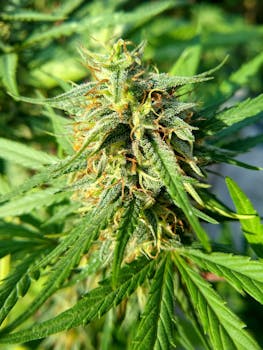
What Makes a Cannabis Strain Beginner-Friendly?
A beginner-friendly strain is one that tolerates mistakes without punishing yield, health, or potency. That tolerance comes from the plant's genetics, not from the grower's skill.
Indica-dominant and ruderalis-crossed genetics tend to have shorter internodal spacing, denser structure, and a higher resistance to environmental swings. These traits are bred in, not trained in. A beginner picking a finicky sativa-dominant or an unstabilized hybrid is starting the game on hard mode.
The specific traits to look for in a beginner strain:
- pH tolerance: Performs acceptably across a 5.8 to 6.8 range (soil) rather than requiring a tight 6.0 to 6.2 window
- Overwatering resistance: Recovers from waterlogged roots faster; typically stockier, wider root zones
- Mould and mildew resistance: Especially important in Canada's humid shoulder seasons
- Short flowering window: Less time in flower means fewer weeks for things to go wrong
- Light schedule flexibility: Autoflowers require no 12/12 flip; many indica-dominants tolerate minor light leaks
- Stable, predictable genetics: Uniform growth across seeds in the same pack
Published research on cannabis phenotype expression, including work available through the Journal of Cannabis Research, consistently shows that genetic stability is the primary predictor of grow consistency , more so than environmental conditions within a reasonable range.
Autoflower vs. Feminized Seeds: Which Is Easier for Beginners?
For most beginners, autoflowering seeds are the lower-risk choice. They flower on an internal timer rather than a light-cycle trigger, meaning a forgotten light schedule or a power flicker won't re-veg the plant or cause hermaphroditism.
Autoflower seeds in Canada finish in 8 to 10 weeks total from germination, compared to 14 to 18 weeks end-to-end for a photoperiod feminized strain (including 4 to 6 weeks of veg). That shorter window means less time for problems to compound.
Feminized photoperiod strains, however, give beginners more control during veg. You can top, LST, and train plants as much as you want before triggering flower. This makes recovery from early mistakes easier, since the plant keeps growing until you decide to flip it.
Best Beginner Autoflower Strains in Canada
These autoflowering varieties are widely reported by Canadian growers to be the most forgiving in their category. All finish in 8 to 10 weeks from seed under an 18/6 light schedule.
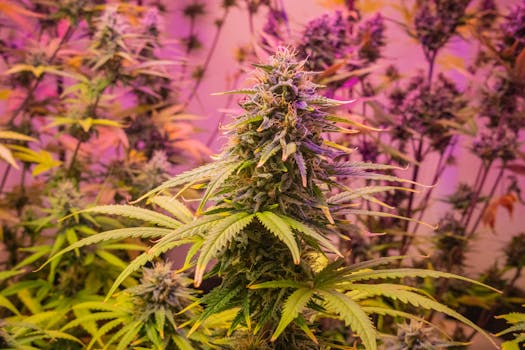
Northern Lights Auto
Northern Lights is arguably the most forgiving cannabis strain ever stabilized. Its indica-dominant structure stays compact (50 to 80 cm indoors), resists mould aggressively, and tolerates pH variation better than almost any other variety. Breeder documentation reports indoor yields of 130 to 160 g per plant under 18/6 LED at 600 PPFD in 11-litre fabric pots. THC averages 16 to 19%.
White Widow Auto
White Widow Auto inherits the legendary vigour of its photoperiod parent while removing the light-cycle dependency. It's a balanced hybrid (indica/sativa) that produces dense, resinous buds with minimal intervention. Aggregated grower journals place indoor yields at 120 to 170 g per plant. The terpene profile is piney and earthy with sharp citrus notes. THC typically runs 17 to 20%.
Gorilla Glue Auto
Gorilla Glue Auto delivers a much heavier punch than most beginner strains , THC breeder documentation places it at 24 to 26% , while retaining the fast finish and tolerance that make autoflowers beginner-accessible. Expect 140 to 180 g per plant indoors. It does stretch slightly more than Northern Lights Auto, so training with soft ties in week 3 helps even the canopy.
Browse our full range of autoflower seeds available across Canada to find the right variety for your space and experience level.
Best Beginner Feminized Strains in Canada
Feminized photoperiod strains give beginners more grow time before the clock starts. These varieties are selected for resilience, mould resistance, and stable genetics across a pack.
Blue Dream Feminized
Blue Dream is a sativa-dominant hybrid that grows more like an indica during the early veg phase , sturdy, well-branched, and tolerant. Flower time runs 9 to 10 weeks. Indoor yields from breeder documentation reach 170 to 210 g per plant in 11-litre pots under 18/6 veg and 12/12 flower. THC averages 18 to 22%. It's one of the most forgiving tall-growing strains available.
Critical Mass Feminized
Critical Mass is a pure indica-dominant strain bred for exactly this purpose: maximum yield with minimum grower input. Flower time is 7 to 8 weeks. Breeder data places indoor yields at 200 to 250 g per plant when trained lightly with LST. THC runs 18 to 20%. The one caveat: bud density makes it susceptible to bud rot in very humid conditions, so airflow matters in week 7 and 8.
OG Kush Feminized
Indica seeds in Canada don't get more proven than OG Kush. It flowers in 8 to 9 weeks, stays compact (60 to 90 cm), and produces thick lateral branching that naturally fills a grow space without aggressive training. Aggregated grower journals report 140 to 175 g per plant indoors. THC typically measures 20 to 24%.
Mid-Article Pick
Ready to start with genetics built to succeed? Check out our feminized cannabis seeds , stabilized, beginner-tested varieties with breeder-documented grow specs shipped discreetly across Canada.
Common Beginner Mistakes by Strain Type (and How Forgiving Genetics Help)
Most beginner errors follow predictable patterns. Knowing which mistakes happen most often , and which strains absorb them best , changes how you grow.
Overwatering (most common Week 1-3 error)
Most growers underwater in week 2. No , most growers actually overwater. The tell is drooping leaves with firm, not limp, blades. Indica-dominant strains with short, bushy root structures recover from one or two overwatering events within 48 to 72 hours if drainage is good. Tall sativa-dominants are far slower to bounce back.
pH Drift
Tap water in many Canadian cities runs between 7.2 and 7.8 pH. Without correction, soil pH creeps high over several weeks, locking out calcium and magnesium. Forgiving strains like Northern Lights and Critical Mass show nutrient deficiency symptoms 5 to 7 days later than sensitive strains, giving you time to flush and correct before damage is serious.
Inconsistent Light Schedules
A photoperiod plant that gets light during its dark period can hermaphrodite. This is where autoflowers completely eliminate risk. Since they flower on internal genetics rather than a light trigger, a timer malfunction, a midnight bathroom light flick, or a cloudy week outdoors doesn't send the plant into crisis mode.
Temperature and Humidity Swings
Canadian grow rooms can swing 8 to 12°C between light-on and lights-off periods in winter. Ideal cannabis veg temp is 22 to 26°C with 50 to 70% RH. The best beginner strains tolerate a drop to 16°C overnight without stunting, while sensitive equatorial sativas can stall growth for 4 to 5 days after a cold snap.
Beginner Strain Comparison: Side-by-Side Numbers
Here's how the top beginner-friendly strains compare across the metrics that matter most for a first grow:
| Strain | Type | Finish Time | Indoor Yield (11 L pot) | THC % | Mould Resistance | Beginner Rating |
|---|---|---|---|---|---|---|
| Northern Lights Auto | Auto / Indica | 8, 9 weeks | 130, 160 g | 16, 19% | Very High | ★★★★★ |
| White Widow Auto | Auto / Hybrid | 9, 10 weeks | 120, 170 g | 17, 20% | High | ★★★★★ |
| Gorilla Glue Auto | Auto / Hybrid | 9, 10 weeks | 140, 180 g | 24, 26% | High | ★★★★☆ |
| Critical Mass Fem. | Fem / Indica | 7, 8 wks flower | 200, 250 g | 18, 20% | Medium | ★★★★☆ |
| Blue Dream Fem. | Fem / Hybrid | 9, 10 wks flower | 170, 210 g | 18, 22% | High | ★★★★☆ |
| OG Kush Fem. | Fem / Indica | 8, 9 wks flower | 140, 175 g | 20, 24% | High | ★★★★☆ |
Source: Breeder documentation and aggregated grower journals. Yields based on 11 L fabric pots, 18/6 LED (600 PPFD veg / 900 PPFD flower), indoor controlled environment, 22-26°C.
Myths vs. Reality: Beginner Cannabis Strains
The Simple Rule Most First-Time Growers Miss
Growers obsess over nutrients, light schedules, and training techniques. They buy $80 bottles of cal-mag and study VPD charts. Then they plant a notoriously picky strain and wonder why everything fails anyway.
"Pick a forgiving strain first. Master the basics once. Then chase the exotic genetics. In that order , every time."
The strain is the foundation. Technique is the finish work.
A grower with average technique and Northern Lights Auto will outperform an equally skilled grower using a landrace sativa on their first run. Every time. The genetics carry the grow when skill gaps open up , and they always open up on a first grow.
Legal Growing in Canada: What Beginner Growers Need to Know
Canada's Cannabis Act (2018) permits adults to grow up to 4 cannabis plants per household for personal use. This applies federally across all provinces except Quebec, which banned home cultivation (though a legal challenge has been ongoing).
Key legal points for beginner growers per Canada's Cannabis Act:
- Maximum 4 plants per household (not per person)
- Plants must be grown from legally obtained seeds or seedlings
- Legal age is 19+ in most provinces (18+ in Alberta, 21+ in Quebec)
- Plants must not be visible from a public space in some provinces
- No sale or distribution of home-grown cannabis is permitted
Health Canada recommends storing seeds and harvested cannabis away from children and in a secured location. Purchasing seeds from a licensed seed bank operating in Canada ensures your seeds are legally sourced and compliant from the first step.
For a complete walkthrough of germinating your seeds once they arrive, our cannabis germination guide covers the paper-towel and direct-soil methods with step-by-step instructions for Canadian growing conditions.
Start Your First Grow Right
Every strain listed in this guide is available as a stabilized, feminized or autoflowering seed , selected specifically for Canadian growers and beginner grow setups.
Shop All Cannabis SeedsFrequently Asked Questions
What is the easiest cannabis strain to grow for a beginner in Canada?
Should a beginner grow autoflower or feminized cannabis seeds?
How many cannabis plants can I legally grow at home in Canada?
Why is my plant drooping even though I'm watering it regularly?
What pot size should a beginner use for cannabis indoors?
Why doesn't my cannabis plant look as strong as I expected?
Can beginner cannabis strains be grown outdoors in Canada?
Shop Premium Cannabis Seeds
Browse our curated selection of cannabis seeds, carefully chosen for Canadian growers. Fast shipping, germination guarantee, and discreet packaging across Canada.
Explore more seed categories: