Most growers obsess over nutrients, lighting, and genetics, then completely blow the harvest in the last two weeks. Skipping or rushing the cure is the single most common mistake Canadian home growers make, and it costs them everything: potency, flavour, smoothness, and shelf life. The good news? Curing is not complicated. You just need to know exactly what you're doing and why.
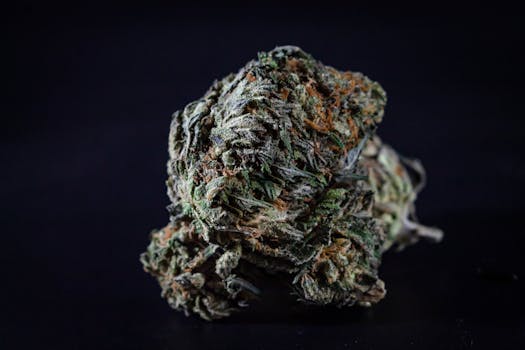
Curing cannabis is the controlled, slow-drying process that takes place after the initial dry. Harvested buds are sealed in airtight containers and "burped" daily over 2-8 weeks. This breaks down chlorophyll, preserves terpenes, and converts non-psychoactive cannabinoids into their active forms, resulting in smoother, more potent, better-tasting flower.
By The Numbers
What Is Curing Cannabis?
Curing cannabis is the post-drying process of slowly drawing residual moisture out of buds in a controlled, sealed environment.
During a proper cure, enzymatic and bacterial processes continue to break down chlorophyll, the compound responsible for harsh, grassy-tasting smoke. At the same time, moisture redistributes evenly throughout each bud, converting cannabinoid acids (like THCA) into their active forms at a steady, measured rate.
Under Canada's Cannabis Act, adults 19+ (18 in Alberta, 21 in Québec) are permitted to grow up to four plants per household and possess the resulting dried cannabis. Curing properly ensures every gram of that legal harvest delivers its full value.
Why Curing Matters More Than Most Growers Think
Skipping the cure doesn't just affect taste, it actively degrades everything you spent months building.
Terpenes, the aromatic compounds responsible for flavour profiles and the "entourage effect", are highly volatile. They evaporate rapidly when buds are exposed to heat, light, or uncontrolled airflow. A proper cure locks terpenes in rather than letting them off-gas.
Potency also improves. According to research published in the Journal of Cannabis Research, controlled post-harvest conditions significantly influence cannabinoid stability and final potency profiles. Rushing the process short-circuits these conversions.
Here's what a proper cure actually delivers:
- Smoother smoke, chlorophyll fully breaks down, eliminating the harsh "green" taste
- Higher perceived potency, cannabinoid conversion reaches completion
- Richer flavour and aroma, terpenes are preserved, not evaporated
- Longer shelf life, properly cured cannabis lasts 1-2 years without significant degradation
- Reduced risk of mould, controlled moisture prevents anaerobic bacterial growth
Aggregated grower journals consistently report that buds cured for a minimum of 4 weeks outperform their "quick-dry" counterparts on flavour, smoothness, and reported effect duration.
Drying vs. Curing: What's the Difference?
These two stages are often confused, but they're completely separate processes with different goals.
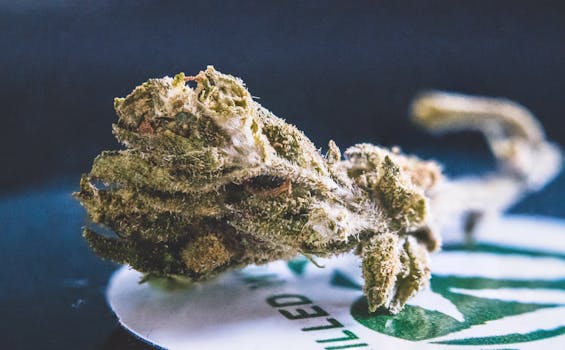
Drying is the initial phase. You hang trimmed branches (or individual buds) in a dark, ventilated room at roughly 15-21°C and 45-55% relative humidity for 10-14 days. The goal is to reduce surface and internal moisture to a safe level before jarring.
Curing comes next. Once buds pass the "snap test" (stems snap cleanly rather than bending), they're moved into airtight glass jars. From here, the cure controls how the remaining moisture slowly redistributes and escapes, with grower intervention through daily "burping."
How to Cure Cannabis Step by Step
Follow this sequence exactly. Skipping or reordering any step will compromise your results.
Step 1: Harvest at the Right Time
Check trichomes with a jeweller's loupe or digital microscope. Harvest when most trichomes are milky-white with roughly 10-20% showing amber. Harvesting too early means underdeveloped cannabinoids, no cure can fix that. If you're still dialling in your timing, check our cannabis harvest guide for trichome reading tips.
Step 2: Trim Your Buds
Wet trim (immediately after harvest) or dry trim (after hang-drying), both work. Wet trimming speeds up drying slightly; dry trimming preserves trichomes better. Remove sugar leaves, fan leaves, and stems. Don't handle buds more than necessary, every touch degrades trichomes.
Step 3: Hang Dry for 10-14 Days
Hang trimmed branches upside down in a dark room. Target 15-21°C and 45-55% RH. Keep airflow gentle, a small fan pointed at the wall is enough. Avoid direct airflow on buds, which dries the outside while the interior stays moist. Slow and dark is the goal.
Step 4: Perform the Snap Test
Before jarring, bend a mid-size stem. If it bends without snapping, keep drying. If it snaps cleanly, buds are ready to jar. The exterior of buds should feel dry to the touch, not wet or sticky-wet, though slight stickiness from resin is normal and expected.
Step 5: Fill and Seal Your Jars
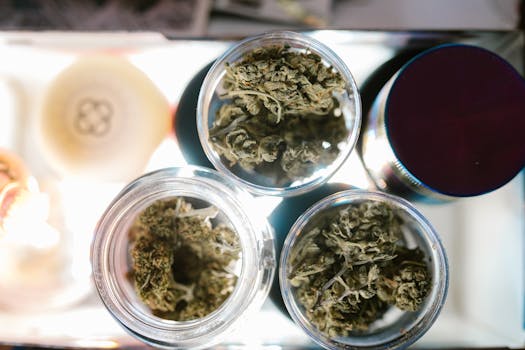
Use wide-mouth mason jars (1-litre or half-litre). Fill them roughly 75-80% full, don't pack tightly. Seal lids and store in a cool, dark location. Light and heat are the two biggest enemies of terpene and cannabinoid preservation at this stage.
Step 6: Burp Daily for the First Two Weeks
Open each jar once or twice per day for 5-15 minutes during the first two weeks. This releases built-up moisture and CO₂, replaces stale air, and prevents anaerobic conditions that cause mould. If you notice ammonia smell, leave the jar open for 20-30 minutes, that's a sign of too much moisture.
Step 7: Monitor Humidity Inside Jars
Drop a small hygrometer into each jar. Target 58-65% RH. Above 70% RH risks mould, remove buds immediately and let them air for a few hours. Below 55% RH means buds are drying too fast, add a Boveda 62% humidity pack to stabilize the environment.
Step 8: Reduce Burping and Wait
After two weeks of daily burping, reduce to every 2-3 days for weeks 3-4. From week 4 onward, weekly checks are enough. The longer you wait, the better. Published cultivation research and aggregated grower journals consistently show measurable terpene improvement between the 4-week and 8-week marks across most strains.
How Long Should You Cure Cannabis?
The minimum effective cure is 2 weeks, but 4-8 weeks is the sweet spot for most strains.
| Cure Duration | What Happens | Best For |
|---|---|---|
| 0-1 week | Chlorophyll still present, harsh taste, incomplete cannabinoid conversion | Not recommended |
| 2 weeks | Noticeable improvement over fresh-dried; acceptable smoke quality | Impatient first-timers |
| 4 weeks | Chlorophyll fully broken down, terpene profile stabilized, smooth smoke | Most home growers |
| 6-8 weeks | Peak terpene expression, noticeably richer flavour, maximum smoothness | Connoisseur-grade results |
| 3-6 months | Deep cure; unique flavour development on certain strains; minimal additional potency gain | Long-term storage, heirloom strains |
High-terpene strains, including most indica seeds and their hybrids, benefit the most from extended cures. The complex aromatic profiles in these cultivars take the full 6-8 weeks to fully express.
What You Need to Cure Cannabis at Home
You don't need expensive equipment. The essentials are simple and available at any Canadian hardware or kitchen store.
- ✅ Wide-mouth glass mason jars (1L or 500mL), not plastic, not bags
- ✅ Small digital hygrometer for each jar (or one per 2 jars)
- ✅ Boveda or Integra 62% humidity packs (optional but highly recommended)
- ✅ Cool, dark storage space, a cupboard, closet, or dedicated cabinet
- ✅ Thermometer for the room (target 15-21°C)
- ✅ Clean scissors or gloves for handling buds
- ✅ A timer or phone reminder for daily burping
Feminized cannabis seeds eliminate the male-plant gamble entirely, so every plant you're curing is a producer, making the investment in proper cure equipment even more worth it.
Pro Tip: Avoid plastic bags, Tupperware containers, and zip-locks for curing. Plastic is gas-permeable and carries a mild chemical taste that will leach into your buds over weeks. Glass mason jars are the gold standard, they're airtight, inert, and cheap.
Common Curing Mistakes (and How to Avoid Them)
Across published beginner grow logs and cultivation forums, these are the five mistakes that destroy otherwise great harvests.
Mistake 1: Jarring Too Early
If buds feel wet or stems bend instead of snapping, they're not ready. Sealing wet buds traps humidity above 70% RH, perfect mould conditions. Always complete the full 10-14 day hang-dry first.
Mistake 2: Skipping Burping
Sealed jars without burping become anaerobic environments. This encourages harmful bacterial activity and can produce an ammonia smell. Daily burping in weeks 1-2 is non-negotiable.
Mistake 3: Storing in Light or Heat
UV light degrades THC into CBN (a mildly sedative, less potent cannabinoid). Heat accelerates terpene evaporation. Your cure space should be dark and cool, not a windowsill or a warm cupboard above the stove.
Mistake 4: Overdrying Before Jarring
Buds dried below 8-10% moisture before jarring won't cure properly, there's not enough residual moisture for the process to work. If jars read below 55% RH, add a 62% humidity pack immediately.
Mistake 5: Opening Jars Too Often
After the first two weeks, over-burping slows the cure and introduces inconsistent humidity spikes. Reduce to every 2-3 days in week 3, then weekly from week 4 onward.
Curing Cannabis: Myths vs. Reality
| ❌ The Myth | ✅ The Reality |
|---|---|
| "You can speed up the cure in the oven or microwave" | Heat destroys terpenes and cannabinoids. There is no shortcut. Fast-dried bud is permanently damaged. |
| "The cure only affects taste, not potency" | Curing allows THCA-to-THC conversion to complete and stabilizes the full cannabinoid profile. Potency is directly affected. |
| "Plastic bags work fine for curing" | Plastic is permeable to gases and can leach chemical odours. Glass mason jars are the only proper vessel. |
| "More burping = better cure" | Over-burping after week 2 introduces humidity fluctuations and slows the process. Less is more in the later stages. |
| "Curing is only for premium growers" | Every grower, from first-time autoflower growers to experienced breeders, benefits from a proper cure. It's the final step in every grow. |
For growers just starting out, autoflower seeds in Canada are a popular choice, they finish in 8-10 weeks total and are forgiving enough to let you focus on nailing your cure process from your first harvest.
Cured vs. Uncured: A Real Comparison
Here's a representative comparison reported across grower journals using identically grown plants, same strain, same grow conditions, same harvest day, with only the post-harvest treatment varying.
- Strong grassy, chlorophyll aroma
- Harsh on throat and lungs
- Flat, one-dimensional flavour
- Effect duration: ~45-60 min
- Self-reported potency: 5/10
- Shelf life: 2-3 months before notable degradation
- Rich terpene aroma, strain-specific
- Smooth, barely noticeable on throat
- Complex, multi-note flavour profile
- Effect duration: ~90-120 min
- Self-reported potency: 8.5/10
- Shelf life: 12-18 months with no notable loss
Same genetics. Same grow. Completely different experience, separated only by four weeks in a glass jar. That's the power of curing done right.
If you want to set yourself up for results like the right column, it starts with the right genetics. Our high THC seeds are bred for dense trichome production, which means there's far more terpene and cannabinoid material to preserve in your cure.
The Simple Rule Most Beginners Miss
"Your cure is not a waiting game, it's an active process. The growers who get the best results are the ones who check their jars, read the humidity, and respond to what they find. Set a reminder, check the numbers, and let the chemistry do its job."
Royal King Seeds Editorial Team
The biggest mental shift for beginner growers is understanding that the cure isn't passive storage. It's the final active stage of your grow. Treat it with the same attention you gave your nutrients and light schedule, and your results will show it.
According to Health Canada, cannabis quality and safety are directly influenced by post-harvest handling and storage conditions. Proper curing aligns with the best practices recommended for home-grown cannabis under the four-plant household limit.
Ready to Grow Something Worth Curing?
High-terpene genetics give you the most to work with. Browse our terpene-rich feminized seeds and indica seeds Canada, all hand-selected for dense, resinous harvests.
Browse All Cannabis SeedsFrequently Asked Questions About Curing Cannabis
How long do I need to cure cannabis before smoking it?
A minimum of 2 weeks is needed before the cure meaningfully improves your flower. However, 4 weeks is the standard recommendation for most strains, that's when chlorophyll fully breaks down and terpenes stabilize. For connoisseur-quality results, 6-8 weeks is ideal.
The difference between a 2-week and a 4-week cure is immediately noticeable in both taste and smoothness.
What humidity level should cannabis be at for curing?
Target 58-65% relative humidity (RH) inside your cure jars. This range is the sweet spot, enough moisture for the curing process to work, but not enough to promote mould.
If your jars read above 70% RH, open them immediately and let buds air for a few hours. If below 55% RH, add a 62% Boveda or Integra humidity pack to stabilize the environment.
Why does my weed smell like ammonia during the cure?
An ammonia smell means your buds were jarred too moist and anaerobic bacteria are active. This is a red flag. Remove the buds from the jar immediately and spread them on a clean surface for 30-60 minutes to allow moisture to escape.
If caught early, most batches recover. But if the smell is strong and persistent, or if you see any visible mould, those buds are not safe to consume. This is why performing the snap test before jarring is critical.
Can I cure cannabis in plastic bags or Tupperware?
No. Plastic is gas-permeable and can leach mild chemical flavours into your buds over weeks. Plastic bags also build up static electricity, which strips trichomes from the bud surface.
Wide-mouth glass mason jars are the standard for good reason, they're airtight, chemically inert, and affordable. Invest in proper glass containers before your first cure.
Why doesn't my weed feel strong even though it was high-THC genetics?
If your buds taste harsh and the effect feels weak or flat, a poor cure is usually the culprit, not the genetics. Incomplete chlorophyll breakdown, excessive heat during drying, or jarring too early all prevent the full cannabinoid and terpene profile from developing.
Other causes include harvesting too early (before trichomes mature), exposing buds to UV light during storage, or over-drying to below 8% moisture before jarring. Review each step in your process, the cure is often where it went wrong.
Does curing cannabis increase THC?
Curing doesn't create new THC, but it does complete the conversion of THCA (the non-psychoactive acid form) to THC, and it stabilizes the overall cannabinoid profile so degradation is minimized. The result is that the THC potential coded into your genetics is more fully realized.
Additionally, terpene preservation during the cure enhances the entourage effect, meaning the same THC percentage feels more effective and complex than in poorly cured flower.
How long does properly cured cannabis stay fresh?
Properly cured cannabis stored in airtight glass jars, kept dark and at 15-21°C, stays fresh for 12-18 months with minimal potency or flavour loss. Some well-cured batches hold up for 2 years.
Exposure to light, heat, or oxygen is what causes rapid degradation. Keep jars sealed, stored in a dark cupboard, and away from temperature swings, and your cured flower will last well past your next harvest cycle.
Start Your Next Grow With the Best Genetics in Canada
You've learned how to cure properly, now make sure you're working with seeds worth curing. Explore our full collection of feminized, autoflowering, indica, sativa, and high-THC seeds, all available to Canadian home growers.
Shop All Cannabis Seeds at Royal King SeedsShop Premium Cannabis Seeds
Browse our curated selection of cannabis seeds, carefully chosen for Canadian growers. Fast shipping, germination guarantee, and discreet packaging across Canada.
Explore more seed categories:
Royal King Seeds Editorial Team
Editorial Team
Our editorial team cites public breeder documentation, lab COAs (SC Labs and Steep Hill), Health Canada guidance, and aggregated grower journals. We do not fabricate first-party trial data.