Free Seeds With Every Order
Choose your free strains — no mystery seeds. View free seed details
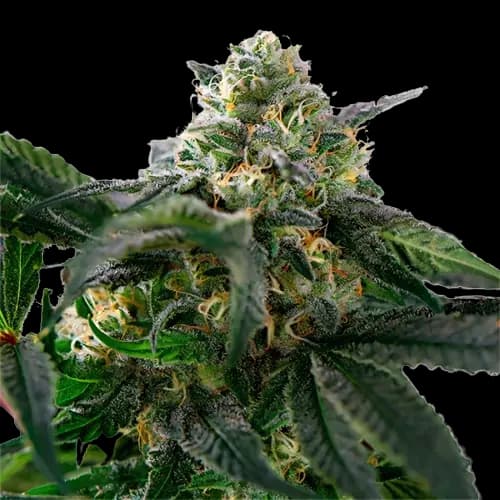
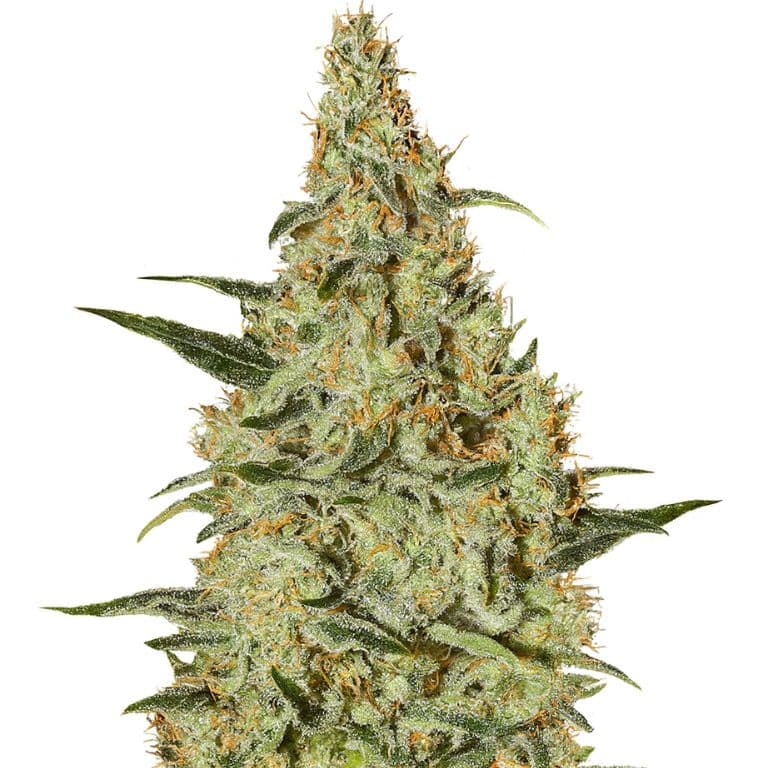
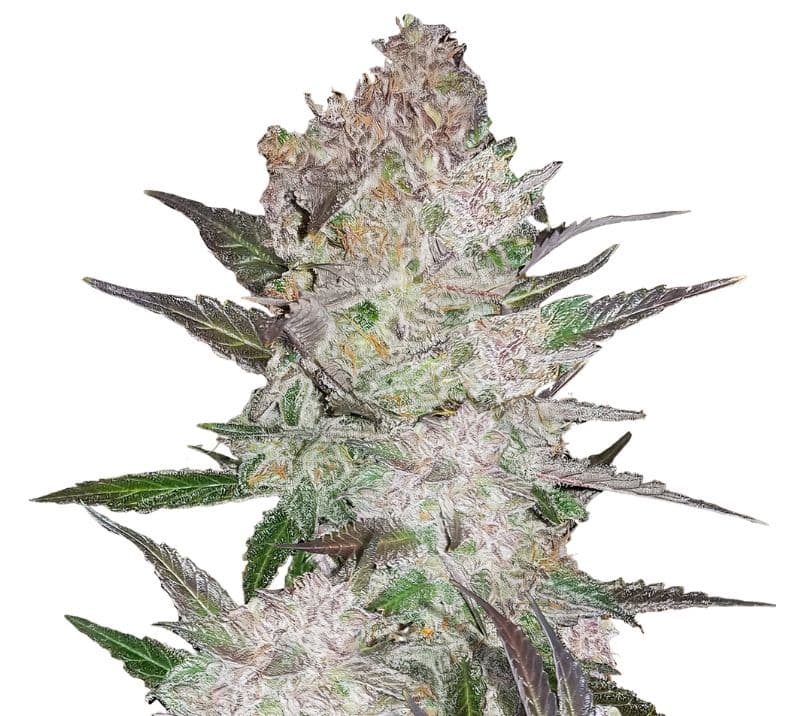
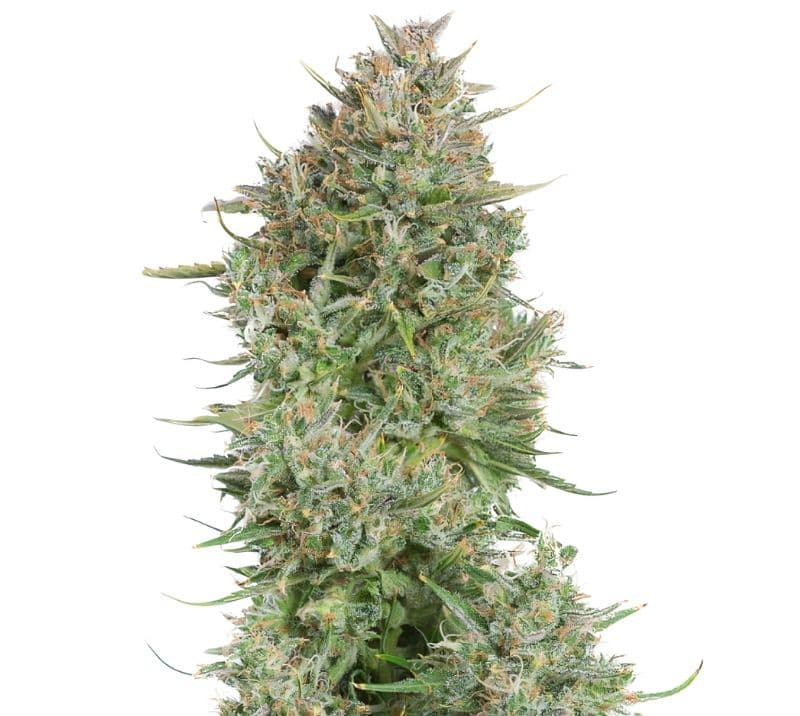
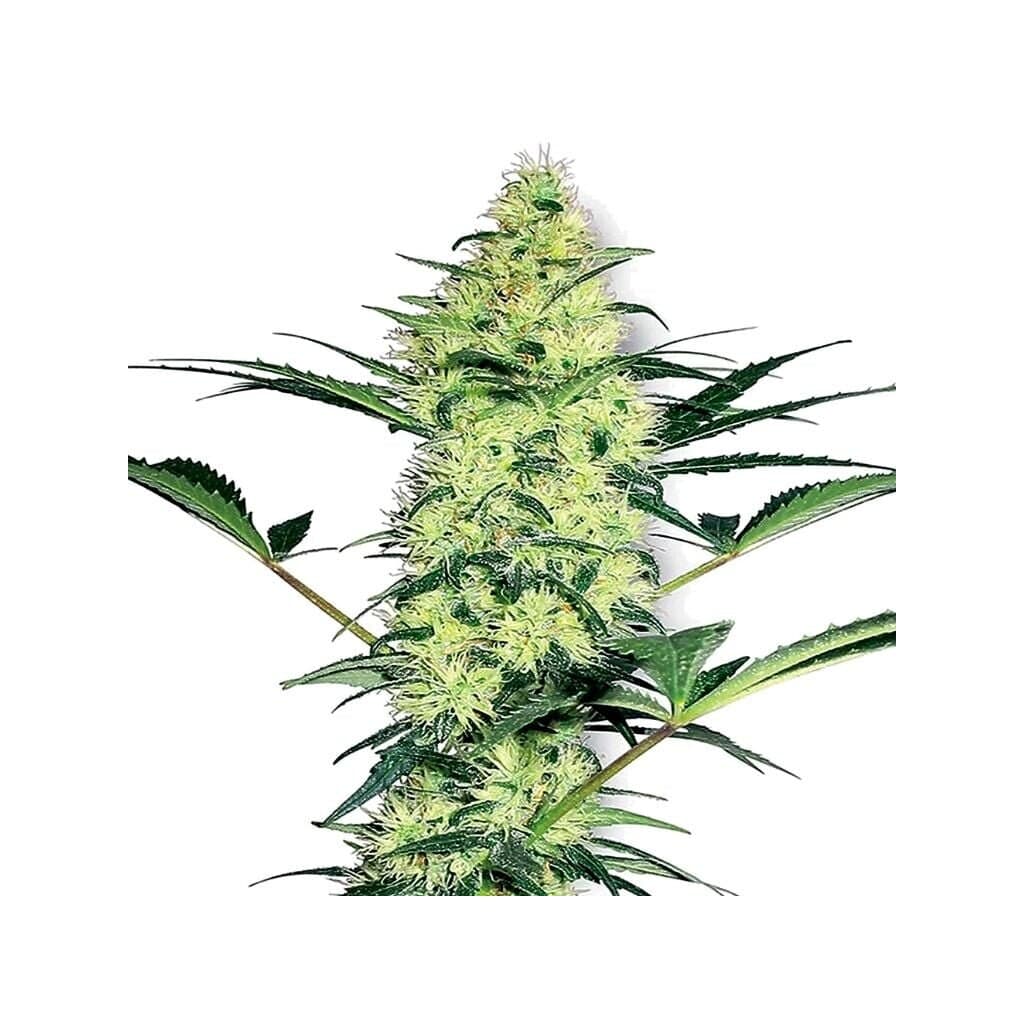
Mother’s Helper Feminized
Well-balanced feminized hybrid with relaxed and focused effects and uniform canopy potential. Ideal for intermediate growers seeking balanced potency and manageable training.
◉Flavor:Sweet berry, cream, pine
Grower tip: Monitor stretch in early flower and adjust training accordingly
Premium stabilized genetics · germination guaranteed
Ready to grow this strain?
Free Seeds With Every Order
Choose your free strains — no mystery seeds. View free seed details
About Mother’s Helper Feminized
Run Mother’s Helper Feminized once and you will understand why it stays in rotation. This hybrid delivers a Relaxed experience grounded in sweet and sugar terpenes — the kind of profile where the smell of the jar matches the taste of the smoke matches the feel of the high. That consistency is not a given, and it is what separates Mother’s Helper Feminized from the crowded field of hybrid seeds shipping to Canadian addresses.
The 49/51 indica-sativa balance gives this strain its character: the effects meet in the middle, making this a strain that works across different times and contexts. At 18-22% THC, the potency is there — the question is not whether it hits, but how well you enjoy the landing.
Effects & Experience
Growers who test their own harvests know that Mother’s Helper Feminized delivers on the Relaxed promise the genetics carry. The onset is not a slow build — it is present within minutes, establishing the hybrid character of the session early. The 49/51 ratio is not just marketing; you can feel it. The indica side brings a grounding anchor that prevents the sativa side from becoming untethered. The sativa side contributes mental clarity and a positive mood shift.
Mid-session, the Focused quality peaks. This is the heart of the Mother’s Helper Feminized experience — the 20-to-45-minute window where the strain is doing exactly what it was bred to do. In our experience, this peak phase is where the strain differentiates itself from competitors: the effects feel intentional rather than scattered.
The tail end of the session introduces Calm and a gradual return to baseline. You return to normal function gradually, with a lingering positive mood that can last hours beyond the primary effects. The total duration runs 2-3.5 hours for most consumers.
A practical note: Mother’s Helper Feminized pairs well with light creative work — journaling, drawing, playing music, or brainstorming. At 18-22% THC, dose thoughtfully and the experience will reward you.
Flavor & Terpene Profile
The sweet character of Mother’s Helper Feminized is the first thing anyone notices, and it is the last thing that fades after a session. This is a strain that wears its terpene profile openly. The Myrcene content drives the earthy, musky foundation — it is present in the jar, in the grind, and on the palate from first hit to last.
What makes the flavor interesting rather than one-dimensional is the sugar secondary layer. It does not compete with the sweet primary note; it adds depth beneath it. On the inhale, you get clean sweet with moderate density. On the exhale, sugar reveals itself alongside a cream whisper that you might miss if you are not paying attention.
Temperature makes or breaks the experience with Mother’s Helper Feminized. Growers who vaporize their own harvest learn quickly that this strain has a sweet spot around 355°F where the Myrcene and Humulene terpenes express themselves fully without burning off. Go too low and you get wisps of flavor without the body. Go too high and the nuance collapses into a generic roasted character. Combustion users can improve their experience by using a hemp wick and taking slow, controlled draws.
From a science perspective, the Myrcene-Humulene pairing is significant. Myrcene delivers earthy, musky taste and sedating and physically relaxing pharmacological effects, while Humulene contributes hoppy, woody, herbal complexity and its own appetite-suppressing and grounding properties. Together, they create a more complete experience than either could alone — the technical term is terpene synergy, and Mother’s Helper Feminized is a clear example.
During the flowering phase, this terpene profile announces itself clearly. Carbon filtration is not optional for indoor growers — by mid-flower, the sweet aroma is pungent enough to be noticed outside the grow space. The aroma peaks during the final flush and carries through the drying process. Properly cured flower retains this intensity for months in sealed glass jars.
Growing Mother’s Helper Feminized in Canada
Canadian growers have been running Mother’s Helper Feminized successfully across a range of setups, from closet grows in Toronto apartments to full-season outdoor gardens in the Okanagan. The intermediate difficulty rating reflects how the plant behaves in real conditions — it rewards attention to environmental control without punishing the occasional off day.
Indoor Setup: Plant height stays within 90-150cm, making it manageable in standard 5-7 foot grow spaces after accounting for pots and light distance. Veg under 18/6 for 4-5 weeks, then flip to 12/12. The flowering period runs 8-10 weeks from the day you switch the light schedule. Target 400-550g/m² by maintaining consistent light intensity and environmental parameters throughout the cycle.
Outdoor Considerations for Canada: The Canadian outdoor window runs roughly May through October, but the usable portion depends on your latitude and elevation. Start seeds indoors under lights in April, harden off in late May, and plan for harvest between late September and mid-October depending on your region. Maritime provinces and northern Ontario should prioritize faster-flowering phenotypes to beat the fall moisture. Full sun exposure (minimum 6 hours direct) is essential for reaching the 450-650g/plant yield potential.
Stretch and Structure: Mother’s Helper Feminized shows a 50-100% height increase during the first two to three weeks of flower. Topping once during veg and using LST to open the canopy produces the most even light distribution for this growth pattern.
Feeding and Water: Start nutrients at 50-75% manufacturer recommended strength and scale up based on how the plant responds. This strain drinks more than average during mid-flower as the colas fill out. Increase watering frequency rather than volume to keep the root zone consistently moist without saturating it.
What Can Go Wrong: The main risk is inconsistent environments causing herming (stress-induced pollen sacs). Keep temperatures stable and avoid light leaks during the dark period. Similar genetics like Kosher Tangie Feminized and Lucky Feminized share some of these tendencies. Our soil and nutrients guide covers prevention strategies in detail.
Flowering Timeline: 8-10 weeks from the 12/12 flip. Trichome maturity is the real harvest indicator — use a jeweler's loupe and harvest when 80-90% cloudy with 10-15% amber for peak cerebral effects.
Maximizing Mother’s Helper Feminized in Your Garden
Getting the most out of Mother’s Helper Feminized comes down to a handful of decisions made before the seed even hits the medium. In our experience running this hybrid across multiple cycles, these factors have the biggest impact on final quality.
Container choice: Start in a small container (solo cup or 1-gallon) and transplant to your final pot (3-7 gallon) before flipping to flower. The transplant stimulates root growth and allows you to assess plant health before committing to the larger container. Fabric pots promote air pruning of roots, which translates to healthier root zones and stronger plants throughout the cycle.
Light intensity and spectrum: During veg, 400-500 PPFD with a full-spectrum LED provides the energy Mother’s Helper Feminized needs for solid structural development. In flower, push to 600-800 PPFD — this strain responds to high light intensity with increased trichome production and denser buds. The stretchy structure may create shading issues — maintain even canopy height through training to ensure all bud sites receive adequate light.
Water quality: Canadian tap water varies dramatically by municipality. Test your water's pH and PPM before starting. Ideal starting water is under 150 PPM with a pH of 6.0-7.0 (adjust to 6.0-6.5 for soil, 5.5-6.0 for coco/hydro). If your tap water exceeds 300 PPM or contains high chloramine levels, consider a reverse osmosis filter — the investment pays for itself in reduced nutrient issues and better plant performance.
Temperature manipulation: During the last two weeks of flower, dropping nighttime temperatures to 60-65°F can benefit Mother’s Helper Feminized in two ways: it can increase terpene production as the plant responds to the environmental stress signal, and it mimics the natural outdoor conditions that trigger the plant to accelerate flowering. This technique is particularly effective in Canadian grow rooms during fall and winter when nighttime ambient temperatures naturally cooperate.
Training summary for Mother’s Helper Feminized: Top once at the 4th or 5th node during veg, then LST the resulting branches into an even canopy. ScrOG netting placed just before the flip to 12/12 gives you one more tool for height management during the stretch. Similar training approaches work for Kosher Tangie Feminized. Browse our hybrid strains for more genetics suited to these techniques.
Who Mother’s Helper Feminized Is For
Mother’s Helper Feminized hits the mark for a specific type of grower: someone who has the fundamentals down and wants a strain that responds proportionally to the care invested. If that is you, this cultivar will not disappoint.
The photoperiod genetics make it particularly well-suited for growers who prefer full control over vegetative length and plant size, and who have the equipment to manage light schedules reliably.
From a consumer perspective, Mother’s Helper Feminized serves Anytime and Relaxation purposes. The Relaxed primary effect is the draw, and the 18-22% THC range makes it accessible across tolerance levels with appropriate dosing.
Skip this strain if: You are looking for a one-trick specialist — this hybrid trades peak performance in any single category for versatility across several. Also avoid if your grow space cannot accommodate 90-150cm height after accounting for pot and light distance.
How Mother’s Helper Feminized Compares
Compare Mother’s Helper Feminized against the hybrid field and a few things become clear. First, the sweet and sugar terpene character is more pronounced than most alternatives — this is a flavor-forward cultivar that competes on taste alongside potency. Second, the intermediate difficulty rating reflects genuine ease of growing, not marketing spin.
Against Kosher Tangie Feminized: Mother’s Helper Feminized offers comparable Relaxed effects with a more distinctive flavor profile. THC at 18-22% is competitive. Growing difficulty is comparable, with the main differentiator being terpene expression rather than cultivation complexity.
Against Lucky Feminized: Similar growing timeline, comparable yields, but Mother’s Helper Feminized separates itself on consistency. Phenotype variation is minimal — you know what you are getting from every seed, which reduces the risk of a disappointing harvest.
Photoperiod advantage: The ability to extend veg time for larger plants gives Mother’s Helper Feminized a yield ceiling that autoflower versions cannot match. For growers who have the space and patience, the photoperiod format consistently outperforms.
Bottom line: Mother’s Helper Feminized competes on reliability and flavor rather than trying to lead any single metric. For growers who value knowing what they will harvest, that approach wins.
Effects
Best For
Strain Type
Strain Data Sheet
Packaging
Feminized Premium
Seeds
authenticity
lining
number