Free Seeds With Every Order
Choose your free strains — no mystery seeds. View free seed details
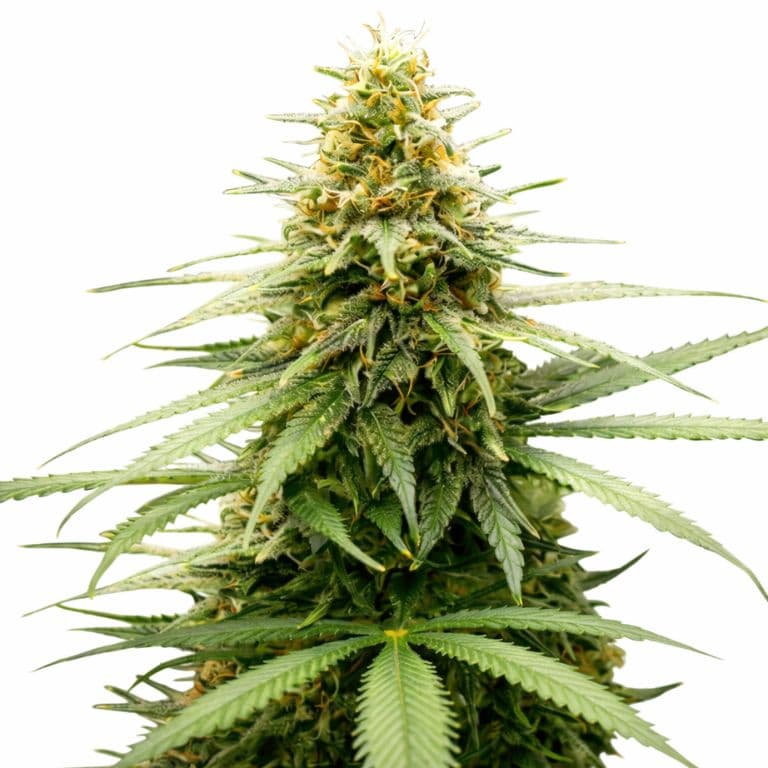
Lemon Skunk Auto
Well-balanced hybrid autoflower with energetic and happy effects and uniform canopy potential. Ideal for beginner growers seeking an easy, resilient strain.
◉Flavor:Citrus, sweet fruit, herbal earth
Grower tip: Feed lightly in veg, then ramp up through flower
Premium stabilized genetics · germination guaranteed
Ready to grow this strain?
Free Seeds With Every Order
Choose your free strains — no mystery seeds. View free seed details
About Lemon Skunk Auto
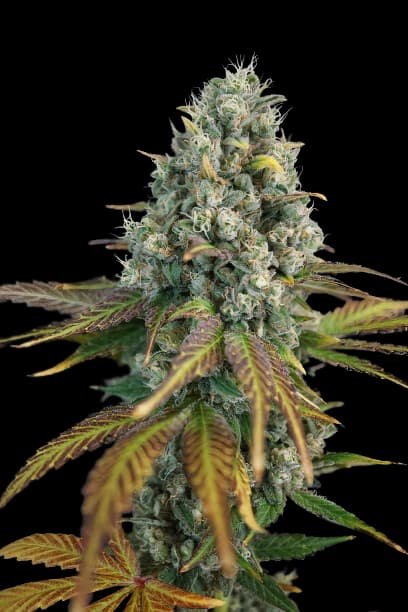
Lemon Skunk Auto arrived in our test garden with modest expectations and left a lasting impression. This hybrid cultivar packs 18-22% THC into chunky, well-structured buds that carry a thick coat of trichomes by harvest. The tangy flavor is the headline, but the zesty undertone and Caryophyllene terpene backbone tell the fuller story.
For growers tired of strains that look good on paper but disappoint in the jar, Lemon Skunk Auto delivers the goods. The Energetic onset is consistent from batch to batch — we have seen this across multiple seed pops — and the Happy quality that builds over the session makes this one of the more complete hybrid experiences available as feminized autoflower seed in Canada.
Effects & Experience
Breaking down what Lemon Skunk Auto actually does to you: the Energetic quality hits first, and it hits with conviction. This is a hybrid that knows what it is — there is no ambiguity about the experience you are signing up for. The 30/60 split reads clearly in the high: a state that shifts based on what you bring to it — active settings keep you engaged, restful settings let you melt.
The Happy secondary effect is the one people tend to mention when describing why they come back to this strain. It does not overpower the primary Energetic quality — it enriches it. Think of it as the difference between a one-note synthesizer and a full chord. The Uplifted quality surfaces during the back half of the session and provides the emotional resolution.
For morning versus evening use: morning or midday is ideal. By evening, the stimulating effects can interfere with sleep onset for some users.
THC testing at 18-22% puts Lemon Skunk Auto in the moderate-to-strong range — accessible but not trivial.
Flavor & Terpene Profile
Lemon Skunk Auto announces its terpene profile before you even grind the bud. The jar aroma is tangy-dominant with zesty supporting notes — a preview of what the smoke delivers. The Caryophyllene content is responsible for the peppery, spicy foundation, and it expresses itself with genuine intensity in well-grown and properly cured examples.
The inhale is where first impressions form. tangy takes center stage, carried by smooth, medium-density smoke that sits well on the lungs. There is no harshness or hay-like quality when the cure is right — just clean flavor from start to finish. The transition to exhale reveals a second layer: zesty comes forward, and subtle orange peel notes add complexity that keeps each draw interesting. The aftertaste is citrus with a persistence that lasts 20-30 seconds — long enough to savor.
For vaporizer users, Lemon Skunk Auto rewards low-temperature sessions. Starting at 335°F captures the lightest terpenes — expect bright tangy notes with a clarity that combustion cannot match. Stepping up to 360°F brings in the Terpinolene (herbal, floral, woody) compounds, adding body and depth. Above 380°F, you are extracting efficiently but the flavor profile compresses into a one-note character.
The science behind the flavor: Caryophyllene makes up the largest share of the terpene fraction and is responsible for both the peppery, spicy taste and the stress-reducing and mood-elevating contribution to the overall experience. Terpinolene plays a dual role — its herbal, floral, woody flavor notes are enjoyable on their own, but this terpene also contributes mildly sedating with creative undertones properties that synergize with the THC content. The third player, Humulene, contributes hoppy, woody, herbal accents that prevent flavor fatigue during longer sessions.
Why this matters: terpenes are not just about taste. The Caryophyllene and Terpinolene combination in Lemon Skunk Auto actively shapes the character of the high. Strains with similar THC percentages but different terpene profiles produce noticeably different experiences — this is the entourage effect in action, and Lemon Skunk Auto demonstrates it clearly.
Growing Lemon Skunk Auto in Canada
Here is what you need to know before popping Lemon Skunk Auto seeds. This intermediate-level autoflower runs 70-85 days from seed to harvest, reaches 90-150cm indoors, and yields 400-550g/m² with competent care. Those are the numbers. Here is the context.
Starting the Grow: Germinate using the paper towel method or directly in a starter plug. Lemon Skunk Auto seeds typically crack within 48-72 hours at 75-80°F and high humidity. Transplant seedlings into their final container by day 10-14 — autoflowers do not respond well to transplant shock, so starting in the final pot (3-5 gallon) from germination is the safest approach. Check our germination guide for step-by-step technique.
Indoor Environment: Target 75-80°F during lights-on and 65-70°F during lights-off. Humidity should follow the growth stage: 65-70% during seedling, 50-60% during veg, and 40-50% during flower. The more open bud structure of this strain handles humidity better than dense indicas, but staying below 50% during flower is still recommended.
Outdoor Timing for Canadian Provinces:
- British Columbia: Start outdoor transplant mid-May. Harvest by August.
- Ontario: Last frost typically mid-May. Same transplant timing. Harvest July-August.
- Alberta/Prairies: Shorter season — autoflowers are ideal here, starting outdoors in early June and finishing by late August.
- Maritimes: High humidity regions — the more open structure handles maritime moisture better than most.
Training and Canopy Management: Low-stress training (LST) only — avoid topping or FIMing autoflowers as the recovery time eats into the fixed lifecycle. Gently bend the main stem at day 20-25 and tie down branches as they grow to create an even canopy.
Yield Optimization: To push Lemon Skunk Auto toward the upper end of the 400-550g/m² range indoors, maintain consistent PPFD above 600 during flower, supplement with CO2 if your setup allows, and extend the dark period to 48 hours before harvest. Outdoor yields of 450-650g/plant require full sun, consistent feeding through mid-flower, and protection from September rain.
Mistakes to Avoid: Under-feeding during the calyx swell phase (weeks 5-7 of flower) limits final bud density. Do not reduce nutrients too early — maintain bloom feeding until the final 10-14 day flush. Explore our feminized cannabis seeds collection for similar genetics that share these growing characteristics.
Post-Harvest Processing of Lemon Skunk Auto
The work does not end at chop. How you process Lemon Skunk Auto after harvest has as much impact on final quality as the entire grow cycle that preceded it. Growers often find this is where they either lock in everything they worked for or let it slip through their fingers.
Wet trim vs dry trim: The more open bud structure of this strain handles dry trimming well. Leaving the sugar leaves on during the drying phase protects the trichomes and slows the dry slightly, which preserves more terpenes. Either approach works — consistency is more important than the specific method.
Drying environment: 60°F, 55-60% relative humidity, complete darkness, gentle air circulation (fan on the wall, not pointed at the plants). In Canadian homes, fall and winter provide naturally cool conditions that support a slow dry. Summer growers may need to run a small air conditioner or dehumidifier to maintain proper conditions. The ideal dry takes 10-14 days. Under 7 days indicates the environment is too warm or dry. Over 18 days suggests it is too cold or humid.
Curing science: Curing is not simply about drying further — it is a controlled decomposition process where chlorophyll breaks down, starches convert to sugars, and terpene profiles develop their full complexity. Lemon Skunk Auto benefits from extended curing because the Caryophyllene terpene develops slowly. Jars opened at two weeks will taste noticeably different (and better) than the same flower at four weeks. We recommend a minimum four-week cure for this strain.
Quality indicators to watch during cure: The tangy aroma should intensify gradually over the first 3-4 weeks. If you detect ammonia or hay-like smells, the flower was jarred too wet — open the jars immediately and allow additional drying before re-sealing. Properly cured Lemon Skunk Auto should smell cleanly of tangy and zesty with no off-notes. The buds should feel slightly sticky without being damp, and should break apart with a clean snap rather than crumbling to dust.
For more post-harvest techniques, refer to our germination guide. Comparable strains like Cookie Wreck Feminized and Colombian Gold Auto respond to similar curing protocols.
Who Lemon Skunk Auto Is For
Know your goals before buying seeds, and Lemon Skunk Auto will either fit or it won't. This strain is designed for Energetic and Depression / Pain. If those are priorities, proceed with confidence.
Grower fit: Best for growers with at least one successful harvest behind them. Not demanding, but it responds to skilled growing with noticeably better results. The autoflower lifecycle removes one of the most common beginner errors — light schedule management.
Consumer fit: The 30/60 split targets all-day viability. The hybrid balance means the strain adapts to context rather than dictating one. THC at 18-22% means most consumers can find a comfortable dose with reasonable trial.
Not the right fit for: Extremists — if you want the most potent, the most flavorful, or the highest yielding strain in a single package, specialist cultivars will beat this hybrid in their specific lane.
How Lemon Skunk Auto Compares
Honest positioning of Lemon Skunk Auto in the hybrid landscape: there are strains with higher THC, strains with bigger yields, and strains with louder flavors. What Lemon Skunk Auto does better than most is bring all three together in a package that actually performs in the garden without drama.
Side-by-side with comparable genetics (Cookie Wreck Feminized, Colombian Gold Auto, Georgia Pie Feminized), the differences come down to emphasis. Lemon Skunk Auto prioritizes tangy terpene expression and Energetic effect consistency. Competitors in this space tend to chase either potency or yield at the expense of flavor, and the smoke shows it.
Key comparison points:
- THC: 18-22% puts Lemon Skunk Auto in the competitive middle
- Yield: 400-550g/m² indoors is in line with category expectations
- Difficulty: intermediate — comparable to peers
- Flavor: Distinctive tangy character that separates it from the generic terpene profiles many competitors offer
As an autoflower, the main comparison point is lifecycle speed versus photoperiod alternatives. The answer depends on your priorities: choose auto for speed and simplicity, choose photo for maximum yield and potency ceiling.
Effects
Best For
Strain Type
Strain Data Sheet
Packaging
Feminized Premium
Seeds
authenticity
lining
number